




Ergonomic Design Considerations for EVA Special Tool Kits
In various scenarios such as industrial production, outdoor operations, and precision instrument maintenance, EVA special tool kits serve as the core carrier for tool storage and portability. Their design has long transcended the simple need for “containment.” Ergonomic design has become a key element in improving efficiency, reducing operator fatigue, and ensuring the safety of both tools and users. For the design and production of EVA tool kits targeting the global market, ergonomic design that caters to the operating habits and work scenarios of users in different regions is a crucial dimension for enhancing product competitiveness and meeting the core demands of international wholesale buyers for quality and practicality. The following will break down the key points of ergonomic design for EVA special tool kits from the perspective of core design principles, providing practical reference for the research and customization of professional-grade tool kits.
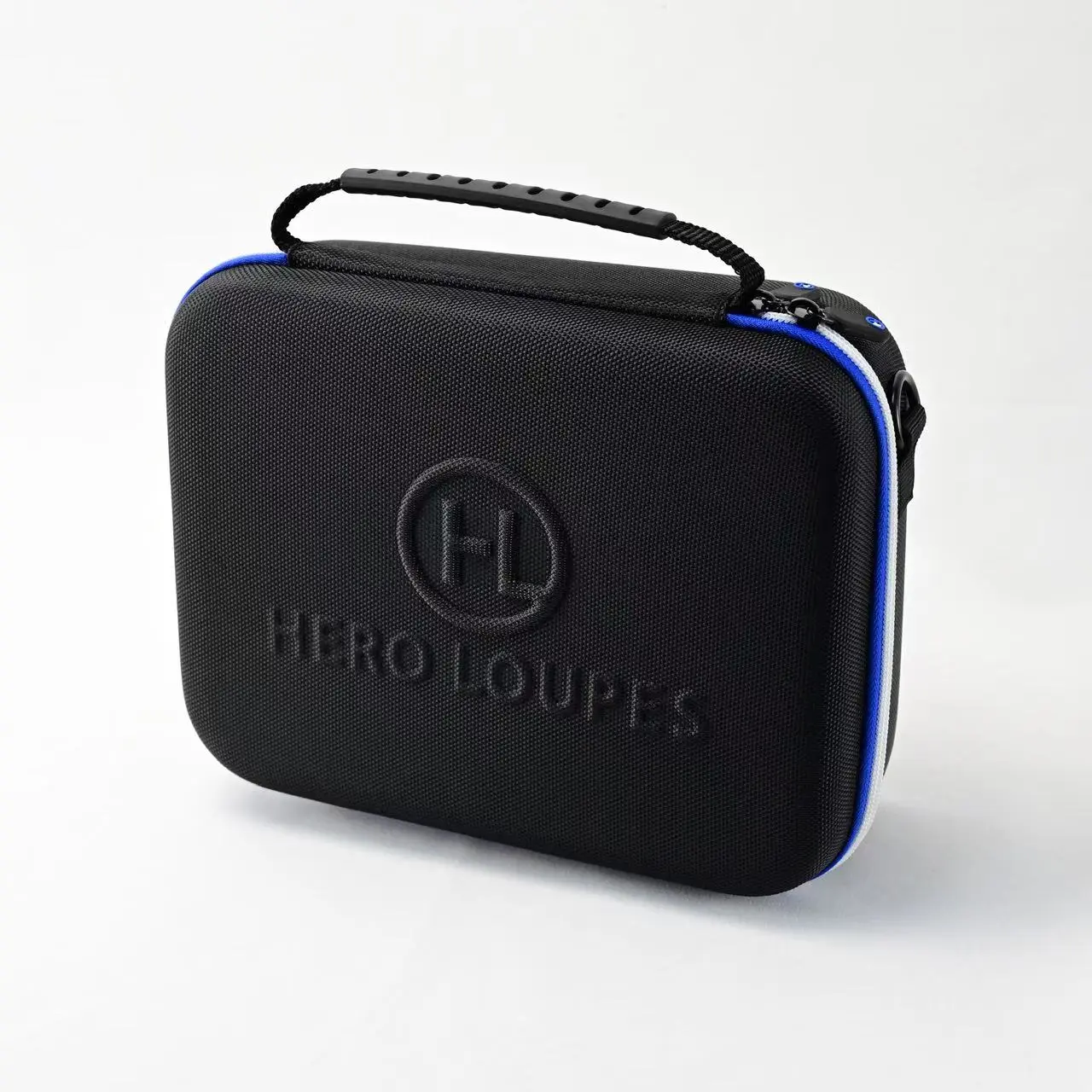
I. Core Principles of Ergonomic Design for EVA Special Tool Kits
The essence of ergonomic design is to adapt the product to the physiological structure and behavioral habits of the human body, rather than making the user adapt to the product. For EVA-based specialized tool kits—products that combine protection, portability, and functionality—the ergonomic design must adhere to three core principles:
Compatibility Principle:The size, weight, and grip/carrying method of the kit must match the range of motion and strength tolerance of the human body, accommodating the operation and carrying needs of users of different heights and body types. It must also consider the specifications and placement logic of the tools, ensuring that tool retrieval and return align with human movement inertia.
Effort-Saving Principle:Through structural optimization, weight distribution design, and accessory compatibility, the kit aims to minimize the physical exertion required for carrying, opening, and retrieving tools, preventing muscle strain and joint damage from prolonged use.
Safety Principle: Leveraging the shock-absorbing and pressure-resistant properties of EVA material, the ergonomic design mitigates the risks of bumps and scratches during use, while ensuring the tools remain securely in place within the kit, preventing them from shifting or slipping and causing injury to the user. This balances operational safety with tool protection.
II. Ergonomic Design of the Overall Shape and Size of the Bag
The shape and size of the EVA special tool bag directly determine the user’s experience in holding, carrying, and placing it. The design must be based on the golden ratio of human limb movement, and customized according to the usage scenario (e.g., handheld operation, backpack carrying, vehicle placement, hanging for high-altitude work, etc.).
Handheld Tool Bags: The width of the grip area should be controlled within the range of a naturally open hand (usually 7-12cm). The thickness of the bag should be such that it can be easily held with one hand, avoiding excessive thickness that would cause difficulty in gripping. The edges of the bag should be rounded and padded with EVA to prevent sharp edges from scratching the palm. The grip area can also be designed with a concave shape that conforms to the curvature of the palm, improving the fit and anti-slip properties. The overall size must match the natural range of arm movement when hanging down, avoiding excessive length or width that would restrict arm movement.
Backpack-style tool bags: The shoulder strap spacing of double-shoulder tool bags should be adapted to the width of the human shoulder blade (usually 30-40cm). The back of the bag should be designed with a curved backrest that conforms to the natural curve of the spine, fitting the ergonomic curve of the waist and hips, allowing the weight of the bag to be evenly distributed across the back and waist, rather than concentrating pressure on the shoulders. The length of single-shoulder tool bags should be controlled between the waist and armpit to avoid excessive swaying or excessive compression of blood vessels under the armpit.
Portable hanging tool bags: Hanging EVA tool bags suitable for high-altitude operations and workshop work should have an overall size adapted to the spacing of the attachment points (such as belts or platform hooks). The center of gravity of the bag should be designed directly below the attachment points to prevent tipping over when hanging. The overall thickness should balance tool capacity with operating space, avoiding excessive thickness that restricts movement.
Furthermore, all types of EVA-based specialized toolkits must adhere to the principle of “ergonomic design,” covering the core size range of users in different regions and with different body types. They should also support certain customization adjustments to meet the personalized size requirements of specific work scenarios.
III. Ergonomic Design for Weight Distribution and Center of Gravity Control
EVA material itself possesses lightweight and high-strength characteristics, laying the foundation for optimizing the weight of the toolkit. The core of ergonomic design lies in achieving a uniform distribution of weight and a stable center of gravity through a reasonable internal structural layout, preventing users from expending too much energy or becoming unbalanced due to a shifted center of gravity.
Centralized and Low Center of Gravity Design: Whether handheld, carried on the back, or hung, the placement area for heavy tools (such as metal wrenches, screwdrivers, and small power tools) should be designed in a centrally low position within the bag, aligning the bag’s center of gravity with the user’s center of gravity when gripping or carrying it. For example, the heavy-duty tool area of a backpack-style EVA tool bag should be designed at the waist and hip area, rather than the shoulder area, to effectively distribute shoulder pressure; the heavy-duty tool area of a handheld tool bag should be close to the grip to avoid excessive torque on the wrists due to a forward center of gravity.
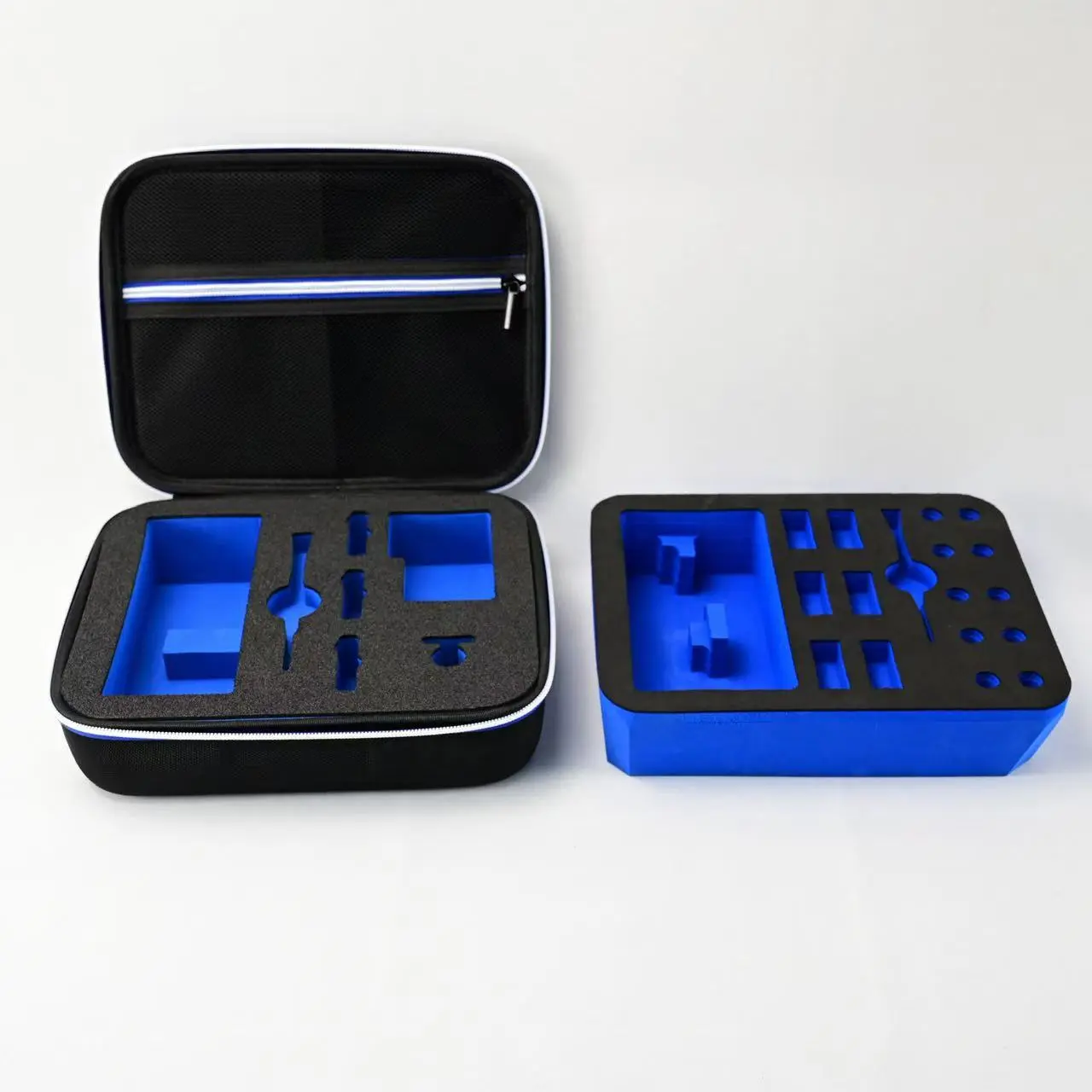
Internal layering and weight distribution: Specialized EVA tool bags typically use customized foam inserts to divide tools. The design must be based on the weight distribution of the tools to prevent uneven weight distribution that could cause the bag to tilt. The grooves and molding of the foam inserts must conform to the shape of the tools, allowing them to be fully embedded, ensuring tool stability and even weight distribution through the support of the inserts.
Lightweight accessories: For the bag’s hardware (such as zippers, buckles, hooks) and connecting parts, lightweight, high-strength materials such as aluminum alloy and engineering plastics are preferred. This prevents excessive weight from shifting the bag’s center of gravity, reduces overall weight, and improves portability.
IV. Ergonomic Design of Opening and Retrieval Structures The core use case of a tool bag is the retrieval and return of tools. The ergonomic design of this process directly affects operational efficiency, especially in scenarios requiring quick tool access, such as industrial operations and emergency repairs. The structural design must conform to the inertia and dexterity of human hand movements.
Opening Method Adaptability: The opening method should be designed according to the usage scenario. For example, in rapid operation scenarios, a double-sided zipper + Velcro quick-opening design can be used. The zipper pull should be enlarged and ergonomically designed with anti-slip texture to accommodate operation while wearing gloves. Precision instrument tool bags can use a flip-top design with a combination lock. The opening angle of the flip-top should be controlled between 90° and 120° to prevent the bag from tipping over due to excessive opening. A support structure should also be designed at the flip-top to prevent it from falling back and interfering with operation.
Ergonomic layout for internal tool access: The tool slots in the EVA foam inner tray should follow the principle of “frequently used tools easily accessible, less frequently used tools closer to the inside,” with the slot depth ideally allowing 1/3 of the tool to protrude. This facilitates hand gripping while ensuring tool stability. The spacing of the slots should match the natural gripping distance of human fingers (usually 2-5cm) to prevent tools from being too close together and accidentally touching other tools. Additionally, the corners of the inner tray should be rounded to prevent finger injuries when accessing tools.
Auxiliary structure for bag opening and closing: Larger EVA tool bags can have ergonomic handles on both sides for easy lifting when opening and closing. Tool bags for vehicle or desktop use can be designed with foldable support legs, allowing the bag to maintain a 30°-45° tilt angle when opened, conforming to the line of sight and hand movement angle of a seated user, enabling tool access without bending over.
V. Ergonomic Design for Protection and Comfortable Fit
One of the core characteristics of EVA special tool bags is shock absorption, pressure resistance, and waterproofing. Ergonomic design must combine these protective features with the user experience, achieving a dual improvement in “protection + comfort” through detailed design, while avoiding various safety hazards during use.
Soft and Comfortable Design of Contact Areas: Areas of the bag that come into contact with the skin and clothing (such as shoulder straps, back, and grips) should use a composite structure of EVA foam and breathable mesh. The EVA foam provides cushioning and support, while the breathable mesh enhances heat dissipation, preventing stuffiness and sweating from prolonged contact. The thickness of the shoulder straps should be designed according to the maximum load-bearing capacity of the bag (usually 2-5cm), and adjustable length buckles should be included to accommodate the carrying needs of users of different heights.
Ergonomic Integration of Shock Absorption and Pressure Resistance: The outer layer of the EVA bag uses high-hardness EVA sheet to ensure pressure resistance, while the inner layer uses low-density EVA foam for shock absorption. Thickening treatment is applied to the edges and stress-bearing areas of the bag to prevent damage to tools from external impacts and to avoid bumps and knocks to the user due to the bag’s rigidity. For special tool bags carrying precision instruments, anti-slip and shock-absorbing EVA feet can be designed on the bottom of the bag to ensure stability when placed on it, prevent the hard bottom from abrading the surface, and prevent scratches from the user touching the bottom.
Detailed Design for Anti-Slip and Anti-Slip Features: Anti-slip textures or silicone patches are designed on the grips and the inside of the shoulder straps to increase friction with hands and clothing, preventing the bag from slipping during use. Buckles, zippers, and other connectors are designed with anti-slip structures to prevent accidental opening and tool drops. The operating parts of the connectors are designed to conform to the curvature of the fingers for easy one-handed operation.
VI. Key Considerations for Scenario-Specific Ergonomic Design
EVA special tool kits are used in various fields including industrial manufacturing, outdoor engineering, precision instrument testing, pet healthcare, and underwater operations. The operational methods and environmental conditions in different scenarios significantly affect the ergonomic design requirements. Therefore, scenario-specific customized design is necessary to ensure the product perfectly adapts to specific operational needs.
Industrial Workshop Tool Kit: Designed for high-frequency operations on workshop assembly lines and equipment maintenance, the core design emphasizes “one-handed operation and quick access.” The kit can be designed with a waist-hanging structure, with the center of gravity close to the waist to prevent swaying from affecting operation. The internal foam inserts are grooved according to the common placement habits of workshop tools (such as screwdrivers, wrenches, and voltage testers), accommodating the gripping motion while wearing work gloves.
Outdoor Engineering Tool Bag: Balancing portability and adaptability to outdoor environments, this bag features a waterproof and durable EVA composite fabric. The shoulder straps are widened and thickened with an ergonomic design to distribute pressure during extended carrying. An internal dry/wet separation layer prevents rain and mud from contaminating tools. Side features include cup holders and hooks to accommodate outdoor work habits.
Precision Instrument Tool Bag: Suitable for precision operations in laboratories and field testing. The internal foam insert uses high-precision custom grooves to perfectly fit the shape of instruments and accessories, preventing movement during transport and use. The bag features a secure control panel that allows for direct operation after instrument removal. The angle is designed to fit seated or standing postures, preventing instruments from being bumped or knocked off surfaces.
Special Environment Tool Kits: EVA tool kits for underwater and high-altitude operations require environmental adaptability in addition to basic ergonomic design. For example, underwater tool kits should feature waterproof, sealed zippers and ergonomic handles to accommodate the force required for underwater hand movements; high-altitude tool kits should incorporate fall-prevention hooks and a center-of-gravity locking structure to prevent slippage, while internal tools should be secured with snap-fit mechanisms to prevent wobbling due to weightlessness at heights.
VII. Techniques for Integrating Ergonomic Design with EVA Material Properties
The moldability, lightweight, shock-absorbing, and customizable properties of EVA material provide core support for ergonomic design. During the design process, the characteristics of EVA material must be fully integrated to ensure that the material’s advantages complement ergonomic design: One-piece molding achieves ergonomic curvature: Utilizing the thermoforming properties of EVA material, a bag structure conforming to the curvature of the human hand, back, waist, and hips can be directly molded without additional splicing. This ensures structural stability and allows for more precise shaping of the fitting areas, improving comfort.
Layered use of EVA of different densities: Based on the ergonomic design and stress requirements, high-density EVA is used in the stress-bearing areas of the bag (such as grips, shoulder straps, and back) to ensure support, while low-density EVA is used in cushioning and fitting areas to enhance softness, achieving an ergonomic experience of “hard support, soft fit”.
Customized grooving of the EVA foam inner tray: High-precision grooving of the EVA foam using CNC engraving technology allows the inner tray to perfectly conform to the shape of the tools, achieving both tool fixation and protection, and optimizing the bag’s center of gravity through a reasonable grooving layout, extending ergonomic design from the bag body to the internal structure.
Post time: Mar-04-2026