




EVA Case OEM Process Step by Step: A Complete Buyer’s Guide
Introduction
EVA molded hard cases serve as premium protective packaging for electronics, power tools, medical instruments, outdoor gear, drones and portable accessories. Unlike generic ready-made bags, OEM customized EVA cases are engineered to perfectly fit target products with shockproof, waterproof and pressure-resistant performance.
Many first-time buyers face challenges including mismatched foam inserts, inconsistent surface branding, extended lead times and quality gaps between samples and bulk orders. Mastering the standardized OEM process lets you set clear specifications, control production timelines and lock in stable quality standards for long-term supply cooperation.
This guide walks through the full end-to-end OEM workflow, with practical notes for procurement teams at every checkpoint.
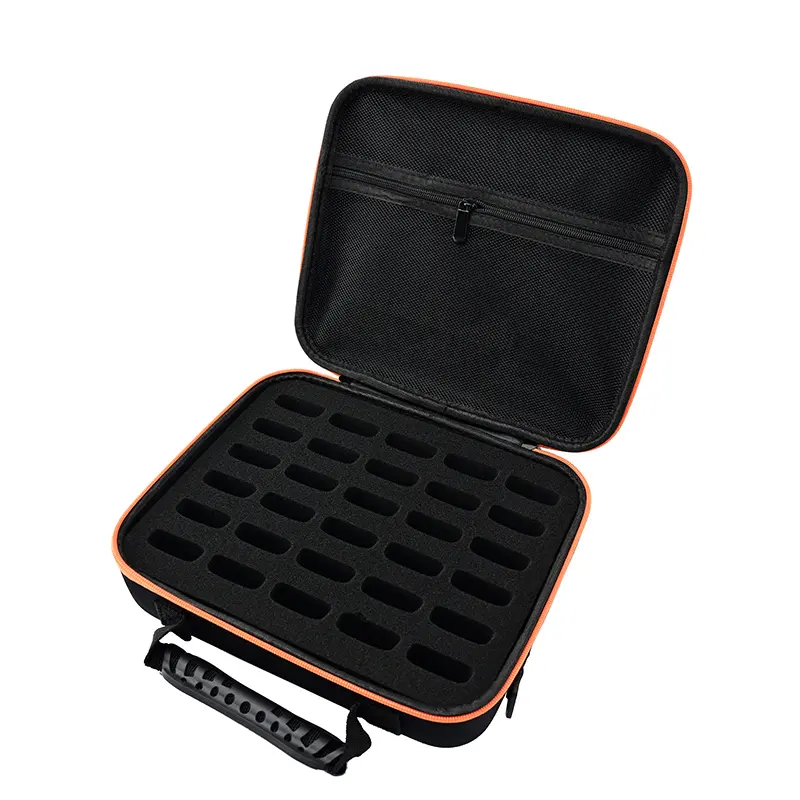
Step 1: Requirement Alignment & Technical Parameter Confirmation
The foundation of a smooth OEM project lies in fully defining all customization requirements before design work begins. Procurement teams should prepare complete product information to avoid repeated revisions later.
Core information to confirm
- Product protection demands
- Application scenario: Indoor office storage, outdoor field use, travel carry or industrial transportation
- Performance standards: Shock resistance, waterproof rating, anti-scratch lining, static-proof requirements for precision electronics
- Weight & fragility level of the stored equipment to determine EVA hardness grade
- Dimension & internal layout rules
- Exact length, width and height of the core product; reserve 2–3mm buffer space for easy insertion and removal
- Internal structure selection: CNC precision cut foam insert, elastic fixing straps, mesh storage pockets, layered divider trays or velvet soft lining
- Surface & branding customization
- Outer material options: 600D Oxford cloth, 1680D ballistic nylon, carbon fiber PU, matte textured leather
- Logo craft: Embossed/debossed molding, heat transfer printing, silicone rubber patches, woven fabric labels
- Hardware accessories: Custom colored zippers, plastic/metal pulls, portable fabric handles, side buckles
- Compliance & order terms
- Global certification requirements: RoHS, REACH, CE for EU market access
- Target MOQ, target unit price range, acceptable production lead time
- Mold ownership agreement, inspection standards and shipping terms
Buyer Tip
Compile all confirmed details into a unified technical specification sheet. This document acts as the official reference for design, sampling and mass production QC to eliminate ambiguous descriptions like “high quality finish” or “soft foam”.
Step 2: Engineering Design & Quotation Submission
Once all requirements are locked, the manufacturer’s engineering team launches design development and provides a formal quotation within 24–48 working hours.
Key design deliverables
- 2D flat layout drawing showing external case shape, zipper position, handle placement and logo area
- 3D render preview of the full case with internal foam cavity layout for visual confirmation
- Material structure breakdown: EVA core hardness (40–85 Shore C), surface lamination thickness, lining fabric and foam density
Quotation breakdown items
- Unit production cost (tied to MOQ, material grade and customization complexity)
- One-time aluminum mold tooling charge (varies based on internal cavity complexity)
- Sampling fee (often deducted from bulk order payment upon formal order placement)
- Standard production lead time, expedited rush order surcharge
- Packaging and FOB shipping cost estimates
Buyer Tip
Compare quotations based on identical material and design standards, not only unit price. Lower-cost options often cut corners on EVA density or zipper durability, leading to higher after-sales loss during long-term sales.
Step 3: Material Selection & Pre-Production Material Validation
All raw materials are selected and inspected before mold manufacturing, as material performance directly impacts the finished case’s durability.
1. EVA core sheet selection
- 40–50 Shore C: Soft semi-flexible shells for small cosmetics, earphone and cable storage pouches
- 60 Shore C (universal grade): Balanced rigidity and shock absorption, ideal for most consumer electronics
- 75+ Shore C high-hardness EVA: Rigid pressure-resistant shells for heavy power tools, measuring instruments and drone carrying cases
2. Outer laminated fabric
- Standard 600D Oxford: Cost-effective, wear-resistant, widely used for mass-market tool kits
- Carbon fiber PU: Premium textured finish for high-end electronic and camera equipment cases
- 1680D ballistic nylon: Heavy-duty tear resistance for outdoor camping and industrial gear storage
3. Internal protective foam
- CNC milled closed-cell EVA foam: Custom carved cavities for precise product fitting, top choice for high-value devices
- EVA flocked velvet foam: Anti-scratch soft lining for lenses, medical devices and metal accessories
- Plain die-cut foam: Budget option for simple multi-accessory storage with elastic straps
4. Supporting hardware
Custom colored zippers, reinforced stitching thread, plastic handles and metal logo patches are sourced to match brand color standards. All raw batches undergo laboratory testing to meet required environmental certification standards before entering production lines.
Step 4: Aluminum Mold Manufacturing & Prototype Sampling
Mold development is the core technical stage of OEM EVA case manufacturing, directly determining the forming accuracy of the shell and internal foam fit.
Mold production workflow
- Engineers convert confirmed 3D drawings into CNC machining files for aluminum mold blocks
- Precision milling of upper and lower thermoforming molds, plus separate cutting molds for foam inserts
- Mold surface polishing to avoid scratches and bubble marks on finished EVA shells
- Trial molding test to adjust heating temperature and pressure parameters for stable forming
Sampling production timeline
- ODM projects with existing molds: 3–5 working days for functional samples
- Full OEM new mold development: 7–12 working days for full physical prototype
What the finished sample includes
- Complete molded EVA hard shell with all custom outer fabrics and branded logo
- Fully fitted internal foam insert matching the confirmed cavity layout
- All customized hardware (zippers, handles, buckles) assembled as specified
- Full color matching of fabric, hardware and printing to brand standards
Critical sample testing items for buyers
- Product fitting test: No loose shaking or tight jamming when placing and removing equipment
- Shell forming quality: No deformation, air bubbles or uneven molding lines
- Hardware durability: Smooth zipper sliding, handle load-bearing capacity test
- Logo inspection: Clear pattern, consistent color, no fading or blurring
- Drop and compression simulation test to verify shock protection performance
Buyer Tip
Sign and seal the approved master sample after confirmation. Retain one copy for your internal QC team, provide one to the factory production line and reserve one for third-party pre-shipment inspection reference.
Step 5: Sample Revision & Formal Order Confirmation
Two outcomes follow sample review: full approval or revision adjustments.
Scenario 1: Sample fully approved
- Sign sample confirmation document and lock all technical specs
- Complete formal sales contract, clarify mold ownership, payment terms, inspection standards and delivery date
- Factory arranges raw material bulk procurement and production line pre-setup
Scenario 2: Sample revision required
Common adjustment requests include foam cavity clearance tweaks, logo position relocation, fabric color matching correction and hardware replacement. The factory will adjust molds or materials and deliver revised second samples within 3–5 working days.
Most standard OEM projects complete sample approval within 1–2 rounds of revisions; complex medical or optical equipment cases may require 3 rounds for precision calibration.
Step 6: Mass Production Assembly Line Manufacturing
Once the sample is signed off, full-scale bulk production launches following standardized segmented workshop processes, with dedicated QC staff at each production station.
Stage 1: Raw material pre-processing
EVA sheets and outer fabrics are cut into fixed sizes via automatic die-cut machines; custom foam inserts are CNC milled according to mold files. All cut components are sorted and labeled to avoid mixing batches.
Stage 2: Thermoforming shell molding
Cut EVA core sheets are laminated with outer fabric, then heated and pressed in aluminum molds under constant temperature and pressure. After cooling and trimming, complete hard shell halves are formed with consistent shape and surface texture.
Stage 3: Branding & surface treatment
Logo customization is completed at this stage: heat transfer printing, embossed molding or silicone patch attachment. All printed surfaces are cured to prevent color abrasion during daily use.
Stage 4: Sewing & hardware assembly
Professional stitching operators attach zippers, handles, buckles and shoulder straps. Reinforced stitching is applied to high-stress areas like handle joints and zipper edges to extend service life.
Stage 5: Internal foam fitting
Precision-cut foam inserts are fixed inside the molded shells with non-toxic adhesive. Multi-layer compartments and elastic straps are installed as per the design layout.
Stage 6: In-line process inspection
Station-by-stage quality checks filter defective products: uneven molding, loose stitching, misaligned logos, stuck zippers and foam fitting gaps are sorted out and reworked immediately, preventing flawed semi-finished goods from moving to the next process.
Standard bulk production lead time ranges from 18–25 working days, depending on order quantity and customization complexity.
Step 7: Finished Product Full Inspection & Performance Testing
After assembly completes, all finished EVA cases enter unified final inspection following AQL 2.5 international inspection standards.
1. 100% visual appearance check
- Consistent fabric color across the full batch
- Clean surface without scratches, stains or printing defects
- Neat, uniform stitching with no loose threads
- Symmetrical shell shape without warping or uneven edges
2. Functional performance testing on random samples
- 50-cycle zipper opening and closing test to verify smooth sliding
- Drop test from standard height to confirm shell shock resistance
- Compression load test to check shell pressure resistance under stacking storage
- Water splash resistance test for outdoor use case models
3. Batch sorting & defect separation
Substandard items are separated for rework or scrapped directly; only fully qualified products move to packaging procedures. For large-volume export orders, third-party independent inspection before shipment is available upon buyer request.
Step 8: Bulk Packaging & Global Shipment Arrangement
Qualified finished cases are packaged according to buyer-specified standards to avoid transit damage during ocean or air freight.
Standard packaging flow
- Each single EVA case wrapped in individual transparent PE dust bag
- Grouped into export cartons with labeled quantity, order number and product specifications
- Cartons sealed with waterproof tape, palletized for container loading upon request
Shipping coordination options
- Factory arranges FOB port delivery with all export documentation (packing list, commercial invoice, compliance certification)
- Support door-to-door delivery via international express for small trial orders
- Flexible lead time adjustment for seasonal peak shipping periods with advance scheduling
Buyer Tip
Request full packaging photos before container loading to confirm carton quantity and labeling match your order requirements, reducing receiving discrepancies at destination warehouses.
Step 9: Post-Delivery Quality Follow-Up & Long-Term OEM Cooperation
After goods arrive at the buyer’s warehouse, the manufacturer provides after-sales support for quality issues caused by production defects. Non-human damage flaws within the agreed warranty window can be resolved via rework or supplementary shipments.
For repeat bulk orders using existing molds, the OEM workflow is streamlined: requirement review → quotation → skip full mold development → quick pre-production sample confirmation → mass production, cutting total lead time by nearly one-third. Long-term cooperative clients can also lock in stable unit pricing and priority production line scheduling for urgent restock orders.
Common Pitfalls to Avoid in EVA OEM Projects
- Skipping formal sample approval to save time: Leads to mass production mismatches and costly full batch rework
- Vague material and performance requirements: Results in inconsistent quality across production runs
- Ignoring certification standards in early design stages: Causes customs clearance delays for cross-border shipments
- Overlooking mold ownership clauses in contracts: Creates disputes for repeat order mold usage
- Eliminating in-process and pre-shipment inspections: Raises risk of receiving high defect rates at destination
Frequently Asked Buyer Questions
Q1: What is the standard MOQ for custom OEM EVA cases?
Most manufacturers support low MOQ starting at 500 units for full customized mold development. Small trial orders under 500 pieces can use existing ODM molds without new mold fees.
Q2: How long does the full OEM process take from inquiry to shipment?
- New mold full OEM project: 30–40 working days (design + sampling + mass production + packaging)
- Repeat order with existing molds: 18–25 working days
Q3: Can I customize multiple logo crafts on one single case?
Yes. Combined customization such as embossed shell logos plus woven fabric labels on handles is available without extra mold development fees for most designs.
Q4: Are EVA materials recyclable and compliant with global environmental rules?
Standard EVA raw materials are fully recyclable. All production batches can be manufactured to meet RoHS and REACH chemical limit standards for EU, North America and Southeast Asia markets.
Post time: Jul-10-2026