
bag - 1

news

EVA Tool Case Supplier Communication Guide

EVA Tool Case Supplier Communication Guide: A Complete Playbook for Global Buyers

Introduction
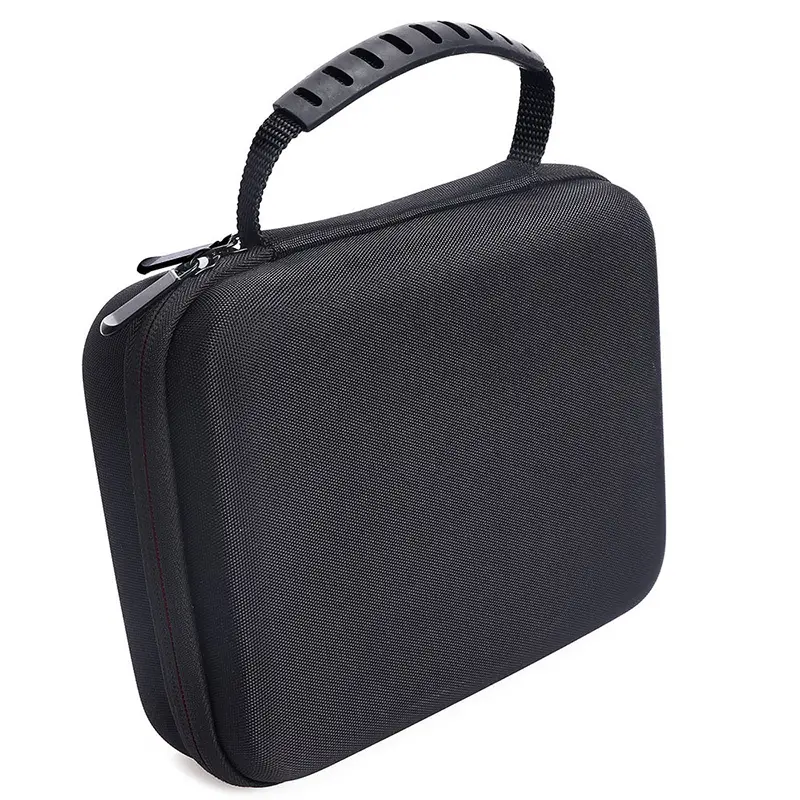
Sourcing custom EVA tool cases brings unique communication challenges for global buyers. Unlike standard off-the-shelf packaging, every EVA hard case requires custom foam inserts, tailored shell dimensions, branding finishes, material certifications, and strict production timelines. Miscommunication at any stage—from initial inquiry to post-delivery quality checks—can lead to flawed samples, delayed shipments, inflated hidden costs, or non-compliant products that fail regional market standards.
This guide is built exclusively for procurement managers, brand product developers, and wholesale importers sourcing protective EVA tool storage solutions. It breaks down standardized communication workflows, clear specification frameworks, cross-cultural business etiquette, negotiation language, and risk-mitigation checklists. All tactics align with global B2B sourcing norms, designed to eliminate ambiguity and build stable, long-term supplier partnerships.

Hard Travel Storage Case for Home Workout Exercise Equipment

1. Lay a Clear Foundation: Standardize Your Initial Inquiry

A vague, unstructured inquiry is the top cause of slow, incomplete supplier quotations. Factories manage dozens of buyer requests daily; only fully detailed RFQs receive accurate, binding offers without follow-up back-and-forth. Below is the core information every buyer must include in the first message to an EVA tool case supplier.

Mandatory Details to Include in Every RFQ

  1. Core product parameters

    Exact internal/external length, width, height measurements, target empty case weight, and intended tool storage layout. Specify EVA shell thickness, foam density, and surface texture (matte PU, carbon fiber grain, embossed plain). If pre-cut foam inserts are required, attach CAD sketches, tool dimension lists, or physical reference photos.

  2. Custom branding requirements

    List logo technique options (emboss, deboss, silk screen, heat transfer, full digital print), exact logo placement, color matching codes, and maximum print size limits. Clarify if brand artwork files are vector format ready for production.

  3. Material & compliance standards

    State mandatory certification requirements: CE, RoHS, REACH, food-grade contact standards, or regional market test rules. Mention restrictions on chemical additives, odour limits, and wear resistance benchmarks.

  4. Order volume & timeline targets

    Separate sample quantity, trial order volume, and recurring bulk order forecasts. Outline required sample lead time, mass production deadline, and preferred shipping port with agreed Incoterms (FOB, CIF, DAP).

  5. Accessory & packaging specs

    Define zipper type, handle style, shoulder strap attachments, interior lining fabric, and outer export carton packaging standards, including labeling and barcode requirements.

Weak vs. Effective Inquiry Example

  • Weak: “I need some hard tool storage cases with foam inside, can you send me a price?”
  • Effective: “We require custom molded EVA tool cases for power drill sets, external size 320×220×90mm, 3mm EVA shell with carbon PU surface, pre-cut EVA foam insert matching attached drill dimensions. Embossed logo on front panel, REACH compliant materials. Request quotation for 500pcs MOQ, sample delivery within 7 working days, bulk production lead time 20 days FOB factory port.”

2. Streamline Sample & Design Communication

Samples act as the legal reference standard for all mass production. Loose verbal agreements about design adjustments create costly rework. Follow these communication rules during design and sampling phases.

2.1 Formalize All Design Revisions in Writing

Every modification to case shape, foam layout, logo size, or material finish must be summarized and sent via email or formal message thread, with a clear revision number. Request the supplier to reply with a confirmation line to acknowledge all changes before mold production begins. Avoid finalizing design adjustments through casual chat messages without written follow-up summaries.

2.2 Request Visual Proof Before Physical Samples

Ask suppliers to provide 2D digital mockups or 3D renderings of the finished EVA tool case prior to mold opening. Review foam cavity fit, logo positioning, and accessory alignment digitally to cut sample revision cycles and reduce sampling fees. If dimensional gaps or structural flaws appear in renderings, resolve them digitally first.

2.3 Standard Sample Confirmation Checklist

Once physical samples arrive, share a structured feedback list covering these categories:
  • Outer shell hardness, shock resistance, and waterproof performance
  • Foam insert tightness, cut precision, and compression durability
  • Zipper smoothness, stitching quality, and handle load capacity
  • Logo clarity, color consistency, and surface adhesion
  • Overall weight, portability, and alignment with your target retail positioning
Attach annotated photos of defects or required adjustments to each feedback point to remove descriptive confusion.

3. Negotiation Communication: Balance Cost, Volume & Value

Price negotiation does not require aggressive bargaining; successful long-term sourcing relies on transparent, collaborative dialogue that highlights mutual benefits. Adopt these buyer-centric communication strategies to secure favorable terms without straining supplier relationships.

3.1 Frame Negotiations as Long-Term Partnership

Open pricing discussions by sharing your projected annual order volume, seasonal restock cycles, and product line expansion plans. Suppliers offer flexible MOQ, waived sampling fees, or discounted unit pricing when they recognize consistent repeat business potential. Avoid positioning negotiations as a one-time transaction focused solely on price reduction.

3.2 Separate Non-Negotiable Standards from Flexible Add-Ons

Clearly divide your requirements into two categories during talks:
  • Must-have non-negotiables: Material compliance certifications, shockproof performance, fixed delivery deadlines, defect tolerance rates
  • Adjustable flexible terms: Secondary color options, minor surface texture changes, extra accessory add-ons, alternative packaging styles
Stay firm on core product quality standards, and offer flexibility on low-impact custom features to create room for suppliers to adjust unit pricing.

3.3 Negotiate Value-Added Perks Instead of Pure Price Cuts

If unit pricing cannot meet target budgets, communicate requests for complimentary services to offset costs:
  • Free design and digital mockup service
  • Waived mold development fees for bulk orders above a set volume
  • Complimentary logo embossing or printing
  • Priority production scheduling to shorten lead times
  • Free replacement samples for revised design iterations

3.4 Recognize Red Flag Language from Suppliers

Learn to spot ambiguous supplier responses that signal future risks, and address them with direct, calm follow-up questions:
  • Vague pricing without breakdowns of material, labor, and shipping costs
  • Avoiding clear certification validity dates or refusing to share test reports
  • Overly low unit pricing with no explanation of material downgrades
  • Unwillingness to commit fixed production lead times in written format
  • Delayed responses to technical specification questions without clear timelines for updates

4. Cross-Cultural Communication Etiquette for Global Sourcing

EVA case manufacturing supply chains span multiple regions, and subtle cultural communication differences often cause misunderstandings. Follow these universal B2B etiquette rules to maintain smooth dialogue across all supplier regions.

4.1 Tone & Language Standards

Keep all professional correspondence direct, factual, and solution-focused. Avoid overly emotional, demanding, or overly casual slang. Use simple technical language; define industry-specific terms such as EVA foam density, emboss depth, or Shore hardness to prevent translation gaps. When raising quality concerns, frame feedback around product standards rather than direct criticism of the supplier team.

4.2 Time Zone & Response Alignment

State your standard working hours and request suppliers to share theirs to set realistic update expectations. For critical production milestones, agree on fixed weekly check-in windows to avoid delayed progress reports. For urgent updates, specify preferred communication channels (email for formal documentation, instant messaging for quick visual media like factory production videos).

4.3 Formal Written Confirmation for All Verbal Agreements

No verbal conversation over calls or instant chat counts as binding production terms. After every call or live discussion, send a recap email summarizing agreed pricing, lead time, design revisions, and quality standards, and request a written acknowledgment from the supplier’s account manager. This step eliminates memory gaps and provides formal documentation for dispute resolution if needed.

5. Production & Shipment Phase Communication Protocols

Clear ongoing communication during mass production prevents missed deadlines and unaddressed quality defects before full shipment. Establish a standardized progress tracking workflow.

5.1 Scheduled Production Check-Ins

Agree on three mandatory update points during manufacturing:
  1. Raw material inspection confirmation: Request photos of EVA sheets, foam blanks, and accessory stock with certification copies before production starts
  2. Mid-production spot check: Ask factory teams to share video footage of semi-finished cases, foam cutting lines, and logo printing batches
  3. Pre-shipment full inspection: Request a complete finished product QC report with defect rate statistics, plus photos of export carton packaging and labeling

5.2 Clear Shipment Coordination Language

Confirm all logistics details in writing well before production finishes:
  • Target vessel departure date and cut-off time for factory delivery
  • Full consignee, notify party, and destination port information
  • Container load quantity and stacking protection requirements for fragile hard cases
  • Documentation list: commercial invoice, packing list, certification test reports, and origin documents required for customs clearance

5.3 Defect & Dispute Resolution Communication Framework

If post-production quality issues emerge, follow this structured message flow to resolve issues efficiently:
  1. Share timestamped visual evidence (photos, short videos) of non-conforming products
  2. Reference the agreed sample standard and written technical specifications
  3. Propose clear corrective solutions: rework, replacement batch, partial order deduction, or full remake timeline
  4. Request a formal supplier corrective action plan outlining how identical defects will be prevented in future orders
Maintain a collaborative tone focused on resolving the issue rather than assigning blame to preserve long-term cooperation.

6. Post-Delivery Communication to Strengthen Long-Term Partnerships

Communication does not end once goods arrive at your warehouse. Consistent follow-up builds supplier accountability and unlocks improved terms for future orders.
  1. Share warehouse quality feedback summaries after receiving shipments, including customer feedback on case durability, fit, and branding appearance
  2. Provide advance forecast updates for upcoming seasonal order spikes to help suppliers allocate production capacity
  3. Schedule quarterly formal review conversations to discuss material upgrades, cost optimization opportunities, and new custom EVA tool case designs
  4. Acknowledge reliable on-time delivery and consistent quality performance in written feedback; positive recognition improves supplier prioritization for your future orders

7. Essential Communication Checklist for Every EVA Tool Case Sourcing Project

Keep this checklist handy for all supplier interactions to avoid missing critical information:
  • Full technical dimensions, foam layout drawings, and reference samples
  • Complete branding artwork, printing technique, and color standards
  • All required compliance certifications and test specifications
  • Fixed MOQ, unit pricing breakdown, and payment terms
  • Sample cost, mold fees, and bulk production lead time
  • Pre-production digital mockup and physical sample approval process
  • Scheduled production inspection and progress update frequency
  • Shipping Incoterms, port details, and customs document requirements
  • Written dispute resolution and defective product handling terms

Final Takeaways

Effective communication with EVA tool case suppliers hinges on one core principle: eliminate all ambiguity through structured, documented, visual information sharing. Global procurement errors, delays, and extra costs almost always stem from incomplete initial specifications, unconfirmed design changes, or verbal-only agreements.
By adopting standardized RFQ templates, formal sample approval workflows, transparent negotiation language, and consistent production tracking routines, buyers can cut sourcing friction, reduce rework expenses, and build dependable supplier partnerships capable of delivering consistent high-quality custom EVA tool cases for years.

Post time: Jul-08-2026