




H1: How to Choose a Reliable EVA Tool Case Manufacturer
Introduction: Why Choosing the Right Supplier Matters
If you’ve ever sourced tool cases overseas, you already know the risks—poor quality, delayed shipments, hidden costs, and inconsistent communication.
When it comes to EVA tool cases, the stakes are even higher. These cases are designed to protect valuable tools and equipment, and any compromise in quality can lead to serious damage during transportation or daily use.
EVA material is widely used because of its shock absorption, waterproof performance, and lightweight structure, making it ideal for professional tool storage . But not all manufacturers deliver the same level of quality.
So how do you choose a reliable EVA tool case manufacturer?
Let’s break it down step by step.
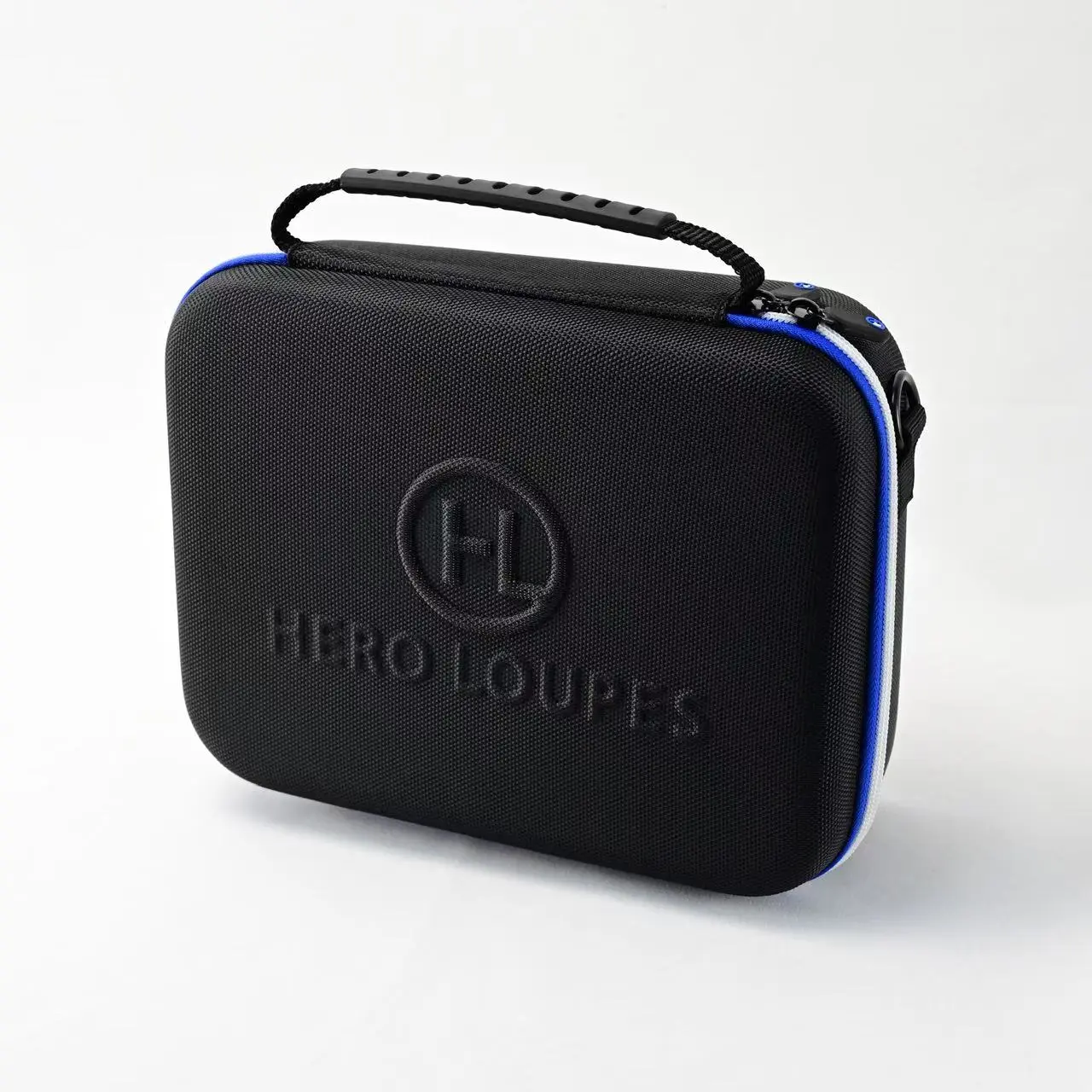
H2: What Defines a High-Quality EVA Tool Case Manufacturer
1. Strong Material Control
A reliable supplier must use high-grade EVA material.
Why it matters:
- EVA offers excellent impact resistance and cushioning
- Protects tools from drops and vibration
- Maintains durability over long-term use
Always ask:
- What EVA density do you use?
- Can you provide material certification?
2. Customization Capabilities
Most B2B buyers need custom EVA tool cases, not standard ones.
A strong manufacturer should support:
- Custom size and structure
- Logo printing (embossed, silk print, metal plate)
- Custom foam insert (CNC or die-cut)
- Color and surface material options
Request a sample first
Request Free Sample
3. In-House Mold & Design Ability
Factories with their own mold workshop are much more reliable.
Benefits:
- Faster sampling
- Lower mold cost
- Better design flexibility
Ask:
- Do you develop molds in-house?
- What is the sample lead time?
4. Experience in Export Markets
A qualified supplier should:
- Understand US/EU quality standards
- Have export experience
- Provide stable packaging solutions
Check:
- Export countries
- Customer references
- Certifications (ISO, REACH, ROHS)

H2: EVA Tool Case Manufacturing Process (What Buyers Should Know)
Understanding the production process helps you evaluate suppliers.
Typical process:
- EVA material foaming
- Heat compression molding
- CNC cutting for foam insert
- Lamination (PU, fabric, etc.)
- Assembly (zipper, handle, logo)
- Quality inspection
High-quality EVA cases use multi-layer protection structures combining rigid shell + foam interior for maximum safety
H2: Key Factors That Affect EVA Tool Case Price
Many buyers only compare price—but that’s a mistake.
Main cost factors:
- Material density
- Case size & thickness
- Custom mold cost
- Foam insert complexity
- Logo & branding
- Order quantity
Get Quote Now
H2: Common Mistakes Buyers Should Avoid
❌ Choosing the cheapest supplier
Low price often means:
- Low-density EVA
- Poor foam cutting
- Weak zipper quality
❌ Ignoring sample testing
Always test:
- Drop resistance
- Waterproof performance
- Foam fit
❌ Not confirming details before production
Important details:
- Logo position
- Internal layout
- Packaging method
H2: Why Custom EVA Tool Cases Are the Best Choice
Compared to traditional options:
| Type | Protection | Weight | Customization |
|---|---|---|---|
| EVA Case | High | Light | Excellent |
| Plastic Case | Medium | Heavy | Limited |
| Fabric Bag | Low | Light | Medium |
EVA stands out because it combines:
- Shockproof structure
- Water & dust resistance
- Custom foam protection
H2: How to Start Your EVA Tool Case Project
If you’re ready to source:
Step 1: Define your requirements
- Tool size
- Protection level
- Branding needs
Step 2: Request samples
Request Free Sample
Step 3: Evaluate supplier
- Communication
- Sample quality
- Lead time
Step 4: Place bulk order
Get Quote Now
Conclusion
Choosing the right EVA tool case manufacturer is not just about price—it’s about quality, reliability, and long-term cooperation.
A good supplier will help you:
- Protect your products
- Strengthen your brand
- Reduce after-sales issues
If you’re looking for a trusted partner for custom EVA tool cases, working with an experienced factory can make all the difference.
Contact Packaging Expert
Post time: Apr-13-2026