




How to Choose an EVA Car Tool Kit?
During long driving journeys, a car tool kit is an indispensable “safety net”—whether for dealing with unexpected minor vehicle malfunctions or storing essential emergency supplies, a high-quality car tool kit can make travel safer and more organized. EVA material, with its core advantages of waterproof, shockproof, and wear-resistant properties, has become the preferred material for car tool kits among car owners worldwide. As a brand with 11 years of experience in EVA bag customization and manufacturing, yrevacase, based on the actual usage scenarios of car owners globally, will break down the scientific method for choosing an EVA car tool kit, helping you avoid common purchasing mistakes.
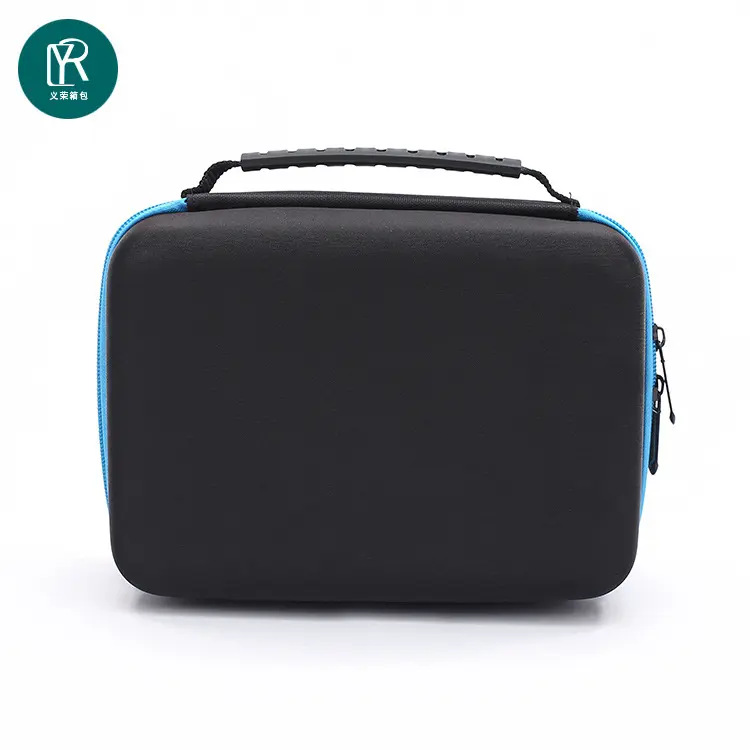
I. Core Premise: Recognizing the “Protective Strength” of EVA Material
The unique characteristics of the car environment (bumpy roads, temperature changes, potential exposure to rain/dust) dictate that the protective performance of the tool kit is the top priority. When choosing an EVA car tool kit, you need to focus on the quality of the material itself:
EVA Density and Thickness: The material density of a high-quality EVA car tool kit should be between 38-45D, and the thickness should be no less than 5mm. High-density EVA balances protection and portability, preventing insufficient cushioning due to being too thin (avoiding tool damage or noise from collisions) and avoiding being too thick, which would make it cumbersome to carry. yrevacase’s EVA car tool kits use environmentally friendly EVA materials that comply with CE, ROHS, and REACH certifications, are non-toxic and odorless, and are suitable for use in the confined space of a car.
Waterproof and Wear-Resistant Performance: Check if the tool kit surface has a waterproof coating (such as a PU composite layer). This can be determined by a simple test: spray a small amount of water on the surface and observe whether it seeps through. At the same time, the surface material should be wear-resistant and scratch-resistant, able to withstand friction from other items in the trunk and scratches from roadside gravel, extending its service life.
Internal Cushioning Structure: High-quality EVA car tool kits will be equipped with customized foam lining (such as integrated shock-absorbing foam), rather than a simple empty compartment design. The lining should have grooves reserved according to the shape of the tools, securely fixing wrenches, screwdrivers, emergency power supplies, air pumps, and other tools, preventing them from shaking and colliding during driving, thus protecting the precision of the tools and reducing noise interference.
II. Key Requirements: “Storage and Capacity” Adapted to In-Car Scenarios
The core value of a car tool kit is “organized storage and convenient access.” When choosing one, you need to consider your vehicle type, the types of tools you need, and your usage frequency, balancing capacity and space compatibility:
Capacity Selection: Don’t choose blindly. Owners of small sedans can prioritize tool kits with a capacity of 15-25L, which is sufficient to hold basic repair tools (wrenches, pliers, tire repair tools) + emergency supplies (warning triangle, first-aid kit, data cables). Owners of SUVs, off-road vehicles, or those who frequently drive long distances can choose larger capacity models of 30-45L, providing storage space for larger items such as emergency jump starters, tow ropes, and spare fuel cans.
Reasonable Storage Compartments: The internal design of a high-quality EVA car tool kit should be “clearly partitioned and adapted to needs”:
Main compartment: Used for storing large tools (such as air pumps, toolboxes). Adjustable securing straps are recommended to prevent large items from shifting;
Layered compartments: Used for classifying and storing small tools (screwdrivers, wrenches, fuses), preventing tools from getting mixed up and making them difficult to find;
Side pockets/mesh pockets: Used for storing loose items (emergency lights, gloves, rags). Side pockets should have zippers to prevent items from falling out;
Hidden pockets: Can be used to store valuables (such as emergency power supplies, data cables), providing both privacy and protection.
Space Compatibility: The shape of the tool kit should fit the car’s interior space. For example, a flat design can be placed under the seat, while a square design can be secured in the corner of the trunk, avoiding occupying too much valuable space and ensuring that it does not interfere with trunk opening, seat adjustment, and other operations.
III. Practical Details: Durability and Portability that Affect User Experience
A worthwhile EVA car tool kit should not only be “spacious and protective,” but also “easy to use and durable.” These details often determine the long-term user experience:
Hardware and Stitching Quality: Zippers are frequently used components, so choose smooth, non-sticking, rust-proof, and corrosion-resistant metal zippers (or high-quality nylon zippers) to prevent jamming or rusting due to temperature changes and humidity in the car; the stitching should be tight and even, and pay special attention to the connection points between the handle, shoulder strap, and the bag body, ensuring double stitching for reinforcement to prevent breakage under load.
Portability and Securing Design:
Handle: Should be wrapped with thickened sponge or leather for a comfortable grip and reduced pressure when carrying;
Shoulder Strap: It is recommended to choose an adjustable shoulder strap with a pressure-reducing pad for easy carrying over short distances (such as from the trunk to the side of the car for repairs);
Securing Device: The bottom or side of the tool kit can be designed with Velcro, buckles, or straps to secure it to the trunk floor or under the seat, preventing the tool kit from sliding while the vehicle is in motion.
Easy Cleaning and Safety Details: Car tool kits inevitably get dirty with dust and mud, so the surface material should be easy to wipe clean (e.g., with a damp cloth); it is recommended to choose a style with reflective strips, which can improve visibility and increase safety at night or in emergency situations.
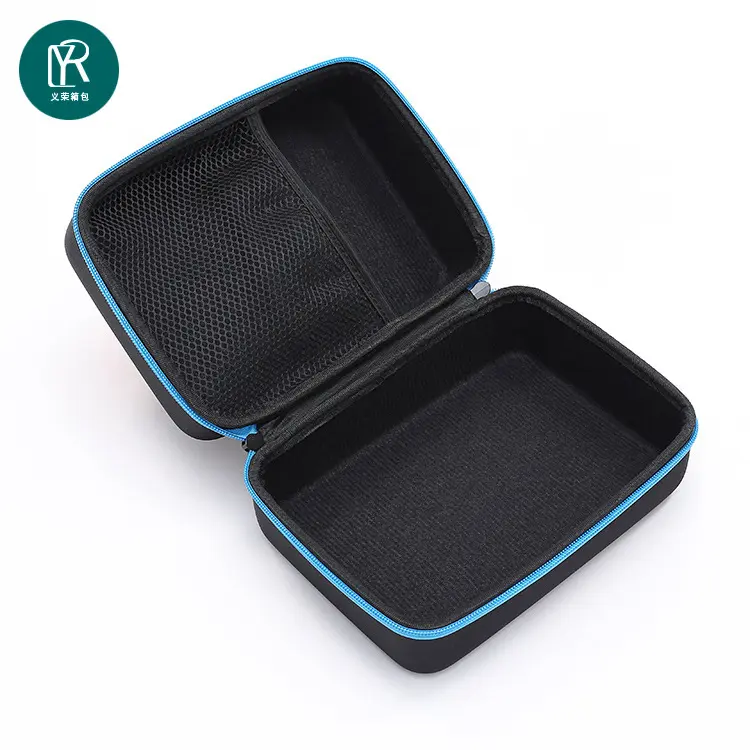
IV. Advanced Requirements: Customized and Personalized Solutions
As car owners demand greater practicality and personalization from their tool kits, customized EVA car tool kits have become a superior option:
Customized Interior Lining: The foam lining can be customized according to the model and size of your tools, ensuring a precise fit for each tool, providing better protection and preventing wasted space;
Customized Exterior: Supports logo and color customization, meeting the personalized needs of individual car owners and also suitable for companies and fleets as customized gifts to enhance brand recognition;
Scenario-Specific Customization: For special needs (such as off-road driving or long-distance road trips), tool kits can be customized with exclusive features such as waterproof compartments, insulated pockets (for storing emergency food/drinks), and tool securing straps.
Post time: Feb-04-2026