




The Core Logic Behind Price Differences in EVA Tool Kits
In various fields such as industrial production, outdoor work, and electronic device storage, EVA tool kits have become essential products due to their core advantages of shock resistance, waterproofing, and portability. However, the price range of similar products on the market is often quite large, ranging from tens to hundreds of dollars. Many buyers and consumers are puzzled: why is there such a significant price difference between seemingly similar EVA tool kits? In fact, the pricing of EVA tool kits is not simply based on the sum of “material + labor,” but is determined by multiple factors such as material grade, customized manufacturing process, and functional configuration. This article will analyze the pricing logic of EVA tool kits from a global market perspective.
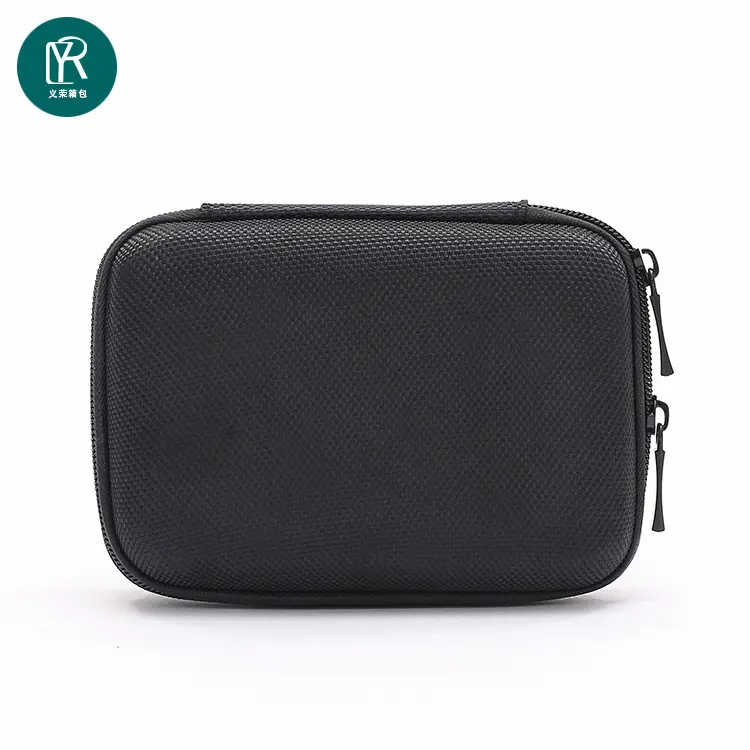
I. Core Material: The Grade and Performance Cost of EVA Substrate
EVA (ethylene-vinyl acetate copolymer), as the core raw material of tool kits, has its own quality grade as a fundamental determinant of price. Different grades of EVA materials exhibit significant differences in key indicators such as density, hardness, and weather resistance, directly impacting production costs:
Differences in Density and Hardness: Industrial-grade EVA materials typically have a density between 0.91-0.93 g/cm³. High-density (≥0.92 g/cm³) EVA possesses stronger compressive strength and resilience, making it suitable for protecting high-end equipment such as precision instruments and drones. Its raw material price is 30%-50% higher than that of ordinary low-density EVA. For EVA with a hardness (Shore hardness) between 40-70A, higher hardness increases molding difficulty and raw material costs. For example, high-hardness EVA tool bags used for heavy tool storage have a base material cost more than twice that of ordinary civilian models.
Functional Modification Additives: EVA tool bags with special properties require the addition of modifying components such as anti-aging agents, flame retardants, and waterproof coatings to the base material. For example, the cost of anti-aging agents added to UV-resistant EVA, which meets the requirements for outdoor operations, accounts for 15%-20% of the total raw material cost; while flame-retardant EVA toolkits used in electronic devices need to pass UL94 flame-retardant certification, and the procurement cost of modified materials is about 40% higher than that of ordinary EVA.
Environmental compliance standards: Global market requirements for environmental protection are becoming increasingly stringent. EVA materials that have passed international certifications such as CE, RoHS, and REACH must control the content of harmful substances (such as heavy metals and phthalates), and their production processes are more complex, resulting in raw material prices that are 25%-35% higher than non-compliant materials. This is also the core reason why some low-priced EVA toolkits cannot enter the European and American markets.
II. Customization Level: Premium for Design, Craftsmanship, and Specific Needs
Customization services for EVA toolkits are a significant driver of price differences. From exterior design to internal structure, the higher the level of customization, the more significant the cost increase:
Exterior Customization Craftsmanship: Basic silkscreen logo printing is relatively inexpensive. However, if customers require embossed, debossed, or color heat transfer logos, specialized molds must be made. A single mold costs between $100 and $500, and the minimum order quantity is higher. Customizing EVA toolkits with exclusive colors (such as corporate brand colors) requires separately formulated color masterbatches, and the color customization premium for small-batch orders can reach 30%-50%.
Internal Structure Customization: Standard EVA toolkits use general-purpose foam linings, which are relatively inexpensive. However, customized foam linings for specific tools (such as medical instruments and power tools) require CNC engraving or mold forming. Depending on the complexity of the structure, the mold cost for a single lining ranges from $500 to $2000, and the extended production cycle significantly increases the unit product cost. For example, the cost of a custom-designed compartmentalized storage lining for drone accessories accounts for over 40% of the total cost of the toolkit.
Customized features: Personalized functionalities requested by clients, such as waterproof zippers, combination locks, adjustable shoulder straps, and anti-static linings, directly increase the cost of accessory procurement and process adjustments. For instance, the cost of a single zipper for an EVA toolkit using YKK waterproof zippers is three times that of a regular zipper; while anti-static EVA toolkits require the addition of conductive fibers, increasing the lining cost by 60% compared to standard models.
III. Manufacturing Process and Compliance Certification: Technology Investment and Quality Assurance Costs
The complexity of the manufacturing process and compliance certification requirements for EVA toolkits directly impact production efficiency and unit cost, representing an often overlooked hidden factor in pricing:
Molding Process Differences: Ordinary EVA toolkits utilize hot-press molding, resulting in low equipment investment and high production efficiency. High-precision toolkits (such as precision instrument cases) require cold-press molding + CNC finishing, increasing equipment costs by 2-3 times and extending the production cycle by 50%, leading to a more than 60% increase in unit processing costs. Furthermore, seamless stitching and edge binding also increase labor and time costs.
Quality Testing Costs: High-end EVA toolkits undergo rigorous performance testing, including pressure resistance testing (withstanding 50kg of pressure without deformation), waterproofing testing (IPX5 or higher), and aging testing (simulating 3 years of use without cracking). Testing costs for each batch range from hundreds to thousands of US dollars, and these costs are evenly distributed across the product price.
International Certification Investment: EVA toolkits entering the mainstream global market require multiple international certifications, such as CE certification from the European Union, FDA certification (for medical use) from the United States, and REACH certification in the environmental field. The certification process involves multiple stages, including testing, document review, and factory audits. A single certification costs between $10,000 and $50,000, and annual maintenance fees are required. These costs are typically recovered through product premium pricing.
IV. Product Specifications and Functional Configuration: Price Tiering Driven by Practical Needs
The size, capacity, and functional configuration of EVA toolkits directly correspond to different usage scenarios and are the core basis for price tiering:
Size and Capacity: Small EVA toolkits (such as headphone and data cable storage bags) use less material and are simpler to produce, resulting in lower prices. Large toolkits (such as camping and cooking equipment storage bags and car emergency toolkits) not only consume more EVA material and foam lining but also require structural stability design (such as reinforced handles and load-bearing bases), making their cost 3-5 times higher than smaller models. For example, a portable EVA bag for power banks used in new energy vehicles costs only one-quarter of a large drone carrying bag.
Core Functional Configuration: Basic EVA tool bags only meet basic storage and protection needs, hence their lower price; while high-end models with multiple protective functions (shockproof, waterproof, pressure-resistant, anti-static) require the integration of various materials and processes, naturally resulting in a higher price. For example, an industrial-grade tool bag with IPX6 waterproof, 20kg pressure resistance, and anti-static properties costs more than 2.5 times that of a basic model.
Accessory Quality Level: The quality of auxiliary accessories (zippers, buckles, handles, shoulder straps) of tool bags varies significantly. Products using accessories from well-known brands (such as YKK zippers and UTX buckles) have accessories that cost 2-3 times more than ordinary accessories, but offer superior durability and user experience; while high-end tool bags use nylon webbing and anti-slip rubber for their handles and shoulder straps, costing 1.8 times more than ordinary canvas accessories.
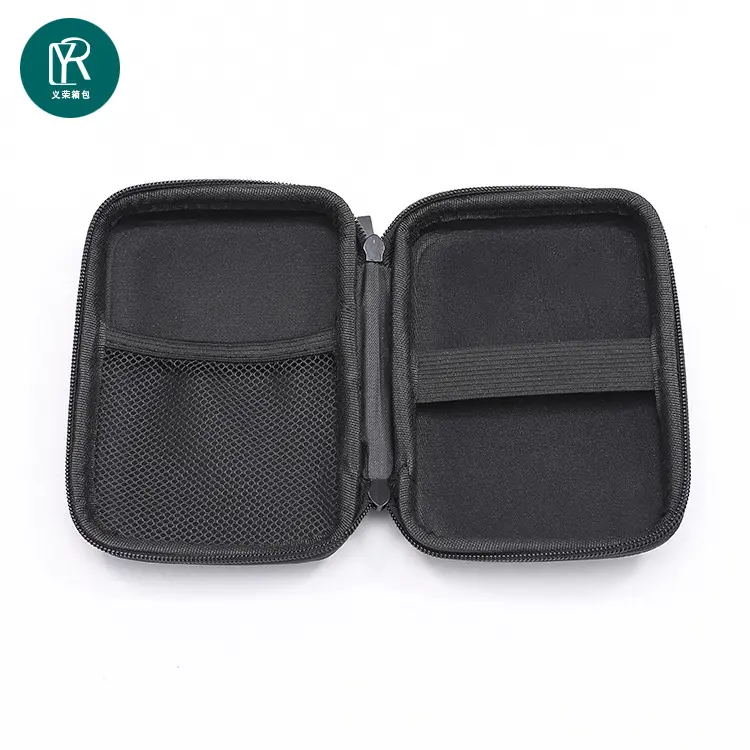
V. Order Size and Supply Chain Efficiency: Batch Effects and Procurement Advantages
The pricing of EVA toolkits is also influenced by order size and supply chain management capabilities, factors that cannot be ignored in global procurement:
Batch Discounts: EVA toolkit production exhibits significant economies of scale, with a typical MOQ (Minimum Order Quantity) of 500 pieces. Small-batch orders (500-1000 pieces) cannot amortize mold and equipment setup costs, resulting in higher unit prices; while large-batch orders (over 10,000 pieces) can reduce costs through centralized raw material procurement and optimized production processes, with manufacturers typically offering a 10%-20% batch discount.
Supply Chain Procurement Efficiency: Manufacturers with global supply chain integration capabilities can reduce procurement costs through bulk purchasing of EVA raw materials and components. For example, long-term raw material suppliers can offer a 15%-20% discount, while centralized procurement of accessories such as zippers and buckles can reduce costs by approximately 10%. These supply chain advantages ultimately translate into product price competitiveness.
Production cycle costs: Urgent orders require the use of production line resources, expedited raw material procurement, and even overtime pay, increasing unit costs by 20%-30%; while regular orders can be produced according to plan, optimizing inventory management, reducing capital occupation costs, and resulting in a more competitive price.
VI. Brand and Service Added Value: Value Transformation of Hidden Costs
In the EVA toolkit market, brand influence and service quality are also important components of price, with their value reflected in implicit guarantees beyond the product itself:
Brand R&D Investment: Well-known brands continuously invest in product R&D, such as optimizing EVA material formulas to improve protective performance, designing more ergonomic and portable structures, and developing multi-functional integrated solutions. While these R&D costs are not directly reflected in the product material, they significantly enhance product competitiveness; therefore, branded products are typically 20%-40% more expensive than unbranded products.
After-sales Service Guarantee: High-end EVA toolkit brands typically offer 1-3 years of warranty service, covering free repair or replacement for issues such as material cracking and damaged parts. The labor and logistics costs of after-sales service need to be covered by the product price, while low-priced products without warranties eliminate these costs.
One-stop service value: Professional manufacturers provide a one-stop service encompassing “solutions – design – prototyping – production – quality inspection – logistics,” saving customers communication and time costs. For example, offering free design solutions and rapid prototyping (7-10 days) are value-added services that, while not directly charged, are indirectly reflected in the product price.
For buyers and consumers, there’s no need to blindly pursue high-priced products, nor should low price be the sole selection criterion. The key is to clearly define the usage scenario: for storing ordinary tools or consumer electronic devices, a basic EVA tool kit is sufficient; for storing precision instruments, industrial equipment, or requiring long-term outdoor use, it’s recommended to choose products made of high-density materials, internationally certified, and with multiple protective functions. Only by precisely matching price with needs can the cost-effectiveness be maximiz
Post time: Jan-05-2026