




What are the differences between EVA and PU tool kits?
In tool storage and carrying scenarios, the material choice of a tool kit directly determines the user experience, durability, and applicable scenarios. EVA (ethylene-vinyl acetate copolymer) and PU (polyurethane) are two mainstream tool kit manufacturing materials, often causing users to struggle with the choice. They both seem to offer protective properties, but there are significant differences from their material nature to their practical applications. This article will break down the differences between EVA and PU tool kits from several core dimensions, providing precise reference for users with different needs.
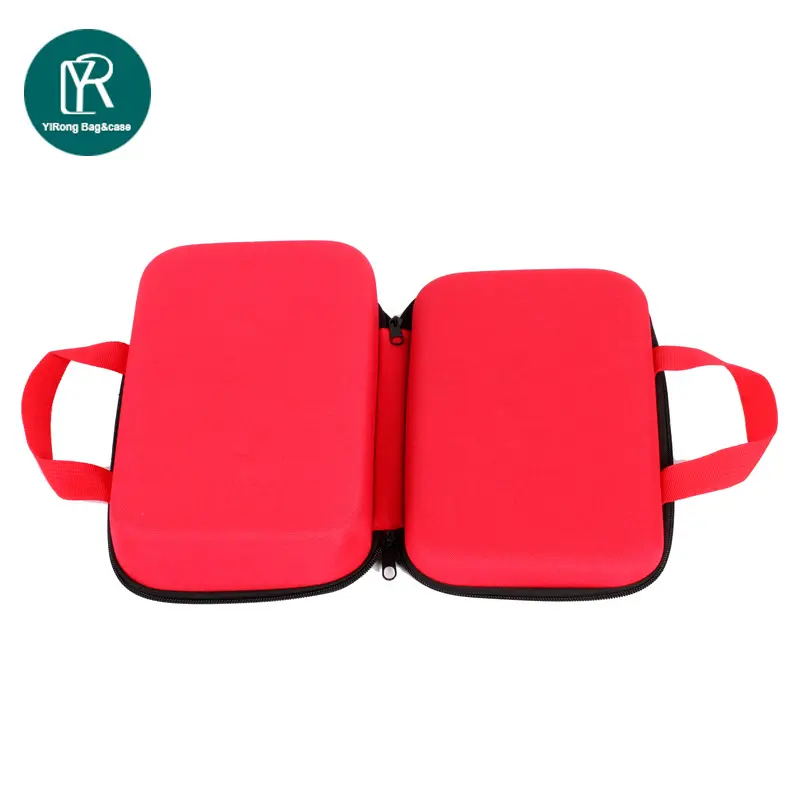
I. Material Nature: The Core Difference Between Thermoplastic and Thermosetting Materials
The fundamental difference between EVA and PU begins with their material properties, which directly determine their processing methods and performance limits.
EVA is a typical thermoplastic material, formed by the copolymerization of ethylene and vinyl acetate. Its essence is a polymer that can be repeatedly processed. Under heating, EVA softens and becomes malleable, returning to a stable shape upon cooling. This characteristic allows it to be easily molded using physical foaming processes, and it can still be recycled after disposal, giving it a significant inherent advantage in environmental protection.
PU, on the other hand, is a thermosetting material, formed by a chemical foaming reaction between polyols and isocyanates to create a foam structure. This chemical reaction is irreversible; once molded and cured, it cannot regain its malleability even upon reheating. Therefore, PU toolkits are difficult to reprocess after molding, making recycling extremely challenging, and they are often only disposed of as waste.
II. Production Process: Different Choices of Efficiency and Precision
The differences in material properties directly extend to the production process, with the processing techniques for the two toolkits presenting a stark contrast in efficiency and precision.
EVA toolkits utilize a physical foaming process, where the material expands through heating and pressure, and then is hot-pressed into shape using a mold. The entire process requires no complex chemical reactions, has a short production cycle, and is simple, making it ideal for mass-produced standardized manufacturing. Furthermore, the lower raw material costs result in a significant economic advantage. However, due to its physical foaming properties, EVA toolkits are slightly less precise in molding complex structures, making it difficult to achieve overly intricate designs.
PU toolkits, on the other hand, rely on chemical foaming reactions. This requires injecting raw materials into a specialized mold and waiting for the chemical reaction to complete and solidify. This process is complex and has a long curing time, resulting in a relatively slow production cycle. Furthermore, the use of isocyanates in the raw materials places extremely high demands on environmental protection during production. However, the advantage lies in the fact that chemical foaming allows for precise control of foam density and structure, enabling high-precision designs and complex structural molding. It can even form a smooth, self-skinning layer on the surface, enhancing the product’s texture.
III. Core Performance: A Comprehensive Comparison from Protection to Durability
For toolkits, core indicators such as protective performance and durability are the most important concerns for users, and these are also the most direct manifestations of the differences between the two materials.
1. Protective Performance: Cushioning and Waterproofing for Suitable Scenarios
In terms of cushioning and shock absorption, PU toolkits perform better. PU tool bags, formed through chemical foaming, have an adjustable foam structure density and uniform internal pore distribution, effectively absorbing and dispersing external impact forces. They are particularly effective in protecting fragile equipment such as precision instruments and high-end power tools. While EVA tool bags possess good cushioning properties, their impact absorption capacity is still inferior to PU in high-intensity impact scenarios, making them more suitable for protecting ordinary tools.
Regarding waterproof performance, both have their strengths: PU tool bags, especially those with a self-skinning layer, offer more stable waterproofing, effectively repelling moisture even in humid environments, making them suitable for harsh outdoor conditions. EVA tool bags have good waterproof performance, but their waterproofing effect diminishes with prolonged immersion or under high pressure, making them more suitable for dry or short-term damp conditions.
2. Durability: Differences in Lifespan Due to Wear and Aging
In terms of durability, PU tool bags have an advantage due to their self-skinning surface. This dense skin structure provides excellent wear resistance, resisting friction and scratches from daily use. Furthermore, PU material itself has excellent weather resistance, strong resistance to ultraviolet rays and aging, and is less prone to discoloration or embrittlement even after long-term exposure to sunlight, resulting in a generally longer lifespan.
While EVA tool bags offer sufficient abrasion resistance for daily use, their surface density is lower than that of PU (polyurethane) self-skinning materials, making them prone to wear and tear after prolonged, high-frequency use. Their weather resistance is also relatively average; prolonged exposure to direct sunlight can cause material aging and discoloration, affecting appearance and lifespan. Therefore, they are more suitable for indoor or non-outdoor use.
3. Lightweight and Portability: Balancing Weight and User Experience
EVA material has a stable and generally moderate density, resulting in lightweight tool bags. Even with tools, they don’t add much burden to carrying, making them particularly suitable for scenarios requiring frequent movement or outdoor work. While PU tool bags can achieve lightweighting by adjusting density, high-density products significantly increase weight, making them slightly less portable than EVA tool bags, and more suitable for fixed locations or short-distance transportation.
IV. Appearance and Touch: Aesthetic Differences Between Texture and Practicality
Besides performance indicators, appearance and touch are also important factors influencing choice. PU tool bags, with their self-skinning surface, possess a smooth and delicate texture, exuding a premium look. Different textures can be achieved through process adjustments, making them suitable for users who prioritize aesthetics or for professional display purposes.
EVA tool bags also have a smooth surface, but their texture is relatively limited, resulting in a slightly less appealing appearance compared to PU products. However, EVA offers greater color adaptability, easily achieving rich color combinations, and its printing results are stable, making it suitable for needs requiring customized brand logos or personalized designs.
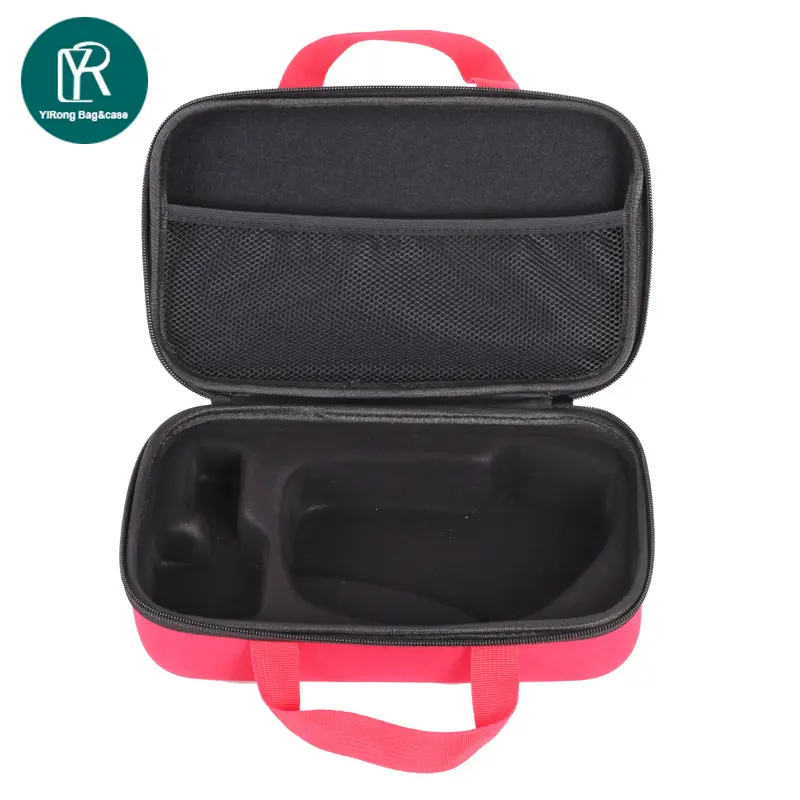
V. Environmental Protection and Cost: A Trade-off Between Long-Term Value and Economic Costs
In today’s increasingly environmentally conscious world, the environmental friendliness and recyclability of materials are becoming ever more important. EVA tool bags have a significant advantage in this regard. Their production process produces no significant emissions of harmful substances, and as a thermoplastic material, they are recyclable, aligning with the development trend of recycled plastics standards.
PU tool bags, on the other hand, face challenges in terms of environmental friendliness. The production process releases chemicals such as isocyanates, requiring specialized environmental treatment, and their thermosetting properties make them difficult to recycle, resulting in a heavier environmental burden in the long run.
In terms of cost, EVA tool kits have lower raw material prices and higher production efficiency, resulting in an overall cost far lower than PU tool kits. PU tool kits, due to higher raw material costs and more complex manufacturing processes, are typically several times more expensive than EVA products, making them more suitable for high-end applications with extreme performance requirements.
VI. Selection Recommendations: Scenario Matching Determines the Optimal Solution
Considering all the above dimensions, there is no absolute superiority or inferiority between EVA and PU tool kits. The key lies in the match with the usage scenario:
- Prioritize EVA tool kits: Limited budget, need for bulk purchases; emphasis on environmental protection and recyclability; primarily used indoors or for short periods outdoors, requiring frequent carrying; tool types are ordinary hand tools or small electronic accessories.
- Prioritize PU tool kits: Need protection for precision instruments or high-end tools; harsh operating environments (such as prolonged outdoor use, humidity, and high-intensity friction); extremely high requirements for appearance, texture, and lifespan; sufficient budget and pursuit of ultimate performance.
Post time: Dec-15-2025