




How can international procurement managers ensure that sensitive industrial tools or consumer electronics remain undamaged during global transit? What criteria separate a reliable manufacturing partner from an assembly workshop when procuring specialized protective packaging? In the current industrial landscape, manufacturers of medical equipment, hardware tools, and electronic instruments increasingly rely on Ethylene-Vinyl Acetate (EVA) packaging to provide impact resistance, structural integrity, and customized branding.
For B2B buyers navigating this specialized sector, identifying a competent best custom EVA zippered cases exporter involves looking beyond generic product catalogs to evaluate technical engineering capabilities, material compliance, and production scalability. YiRong Luggage serves as a practical example of how a modern Chinese manufacturing facility structures its technical processes, supply chain integrations, and quality control systems to meet international procurement standards, ensuring that high-value consumer goods and delicate industrial instruments receive robust, custom-tailored physical protection during extended maritime transport and handling.
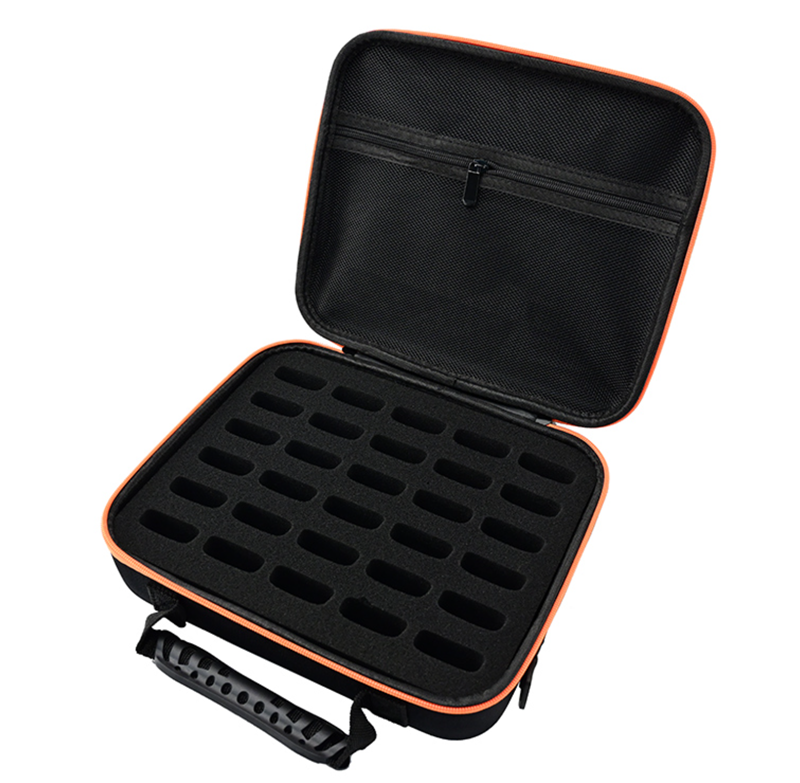
Navigating the Hidden Pitfalls of EVA Case Procurement
B2B buyers frequently encounter systemic operational challenges when sourcing specialized packaging from overseas suppliers. One primary issue is the mismatch between existing manufacturer molds and the actual dimensions of the buyer’s product, which often forces businesses to choose between high custom mold fees or compromised product fit. Additionally, prohibitive Minimum Order Quantities (MOQs) imposed by large-scale factories frequently restrict small-to-medium enterprises or initial product launch phases. A more critical risk involves the technical discrepancy between approved pre-production samples and final bulk orders, particularly regarding material density, color deviation, and internal lining alignment. When the internal cavities fail to match the product contours precisely, the protective value of the EVA zippered cases diminishes, leading to potential product damage during shipping. Understanding the specific manufacturing variables and establishing a systematic evaluation framework can mitigate these supply chain risks.
A Three-Step Framework for Technical Evaluation and Customization
To achieve precise execution of product specifications, international buyers can structure their procurement workflow into three core technical phases, utilizing the established engineering protocols of specialized manufacturers like YiRong Luggage.
1. Verifying Mold Adaptation and Material Configurations
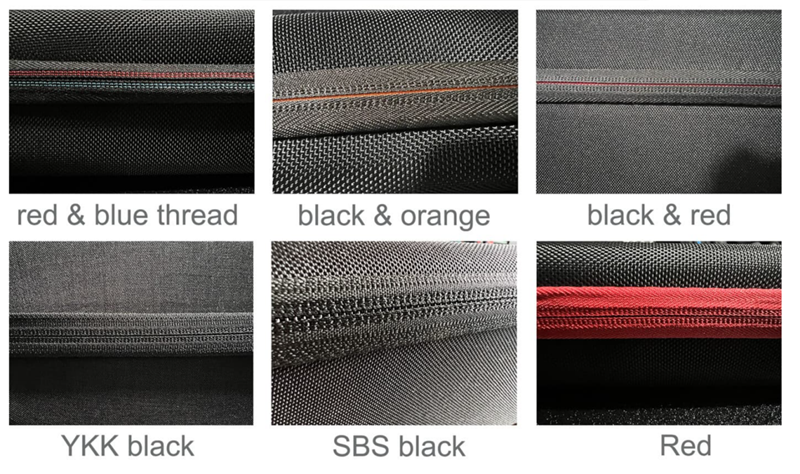
The customization process begins with evaluating geometric compatibility and external material selection. DongYang YiRong Luggage Co., Ltd. maintains an extensive inventory of existing EVA shell molds, allowing buyers to select standard base shapes and eliminate initial tooling costs. Once the structural base is selected, the external laminate material is configured based on the intended operational environment. Options include polyurethane (PU) for water resistance and sleek aesthetics, 1680D ballistic nylon for high abrasion resistance in industrial environments, or carbon fiber patterns for technical consumer goods. Zipper configurations, heavy-duty handles, and branding methodologies—such as debossing, hot stamping, or silkscreen printing—are specified during this initial phase to ensure corporate brand consistency.
3. Establishing Compliance and Production Timelines
Compliance with international regulatory frameworks is mandatory for entry into European and North American markets. Technical buyers must verify that the raw EVA sheets, adhesives, and textiles comply with environmental and safety standards, including RoHS, REACH, and California Proposition 65 documentation. A transparent production timeline is equally essential for supply chain planning. The standard operational workflow for a specialized custom EVA zippered cases exporter involves a sample development phase of 7 to 10 days, followed by a bulk production cycle of 15 to 20 days. Establishing a minimum order quantity of 500 pieces allows for stable production runs while maintaining cost efficiency for specialized industrial applications.
Infrastructure and Logistics Integration in Zhejiang
The operational efficiency of an export manufacturer depends heavily on its localized supply chain ecosystem and manufacturing infrastructure. Situated in Dongyang, Zhejiang Province, the self-operated production facility of YiRong Luggage encompasses a 1,500-square-meter footprint optimized for linear material processing. The factory operates five dedicated stitching lines with a daily output capacity of 10,000 pieces, allowing for stable scalability during peak procurement seasons.
Geographic proximity to major maritime infrastructure represents a notable logistical advantage for international distribution. The facility’s location near both Ningbo and Shanghai ports reduces domestic transit times and lowers inland freight costs. From a communications perspective, the export division employs technical sales specialists fluent in commercial English who understand western Original Equipment Manufacturer (OEM) procurement protocols, ensuring clear documentation from initial request for quote (RFQ) through to bill of lading generation.
Case Study: Engineering Realization for Precision Instruments
The practical application of these manufacturing protocols is demonstrated through the development of a protective enclosure for a precision surveying instrument. The client required a solution that combined strict weight limitations with high drop-test survivability, without incurring extensive tooling investments.
The engineering department analyzed the client’s 3D component models to determine the primary stress points during an impact event. By adapting an existing outer shell mold from the factory inventory, the technical team eliminated the custom tooling fee. The internal protective structure was engineered using dual-density EVA foam, precisely shaped via CNC laser cutting to cradle the irregular geometry of the optical sensors. The final prototype successfully completed standard vertical drop testing without structural deformation or instrument decalibration, proving that methodical engineering can balance cost constraints with structural performance requirements.
Technical Alignment for Long-Term Procurement
Successful B2B procurement in the protective packaging sector requires objective verification of manufacturer capabilities, material certifications, and engineering workflows. Establishing clear technical parameters regarding material density, closure durability, and internal tolerances allows international buyers to prevent project delays and product defects. For organizations seeking to evaluate structural options or obtain detailed dimension-matching assessments, technical documentation and complimentary mold parameter comparisons are accessible through the direct communication channels of DongYang YiRong Luggage Co., Ltd.
Comprehensive information regarding material certifications, manufacturing capacities, and custom design protocols is available on the enterprise website at https://www.dyyrevacase.com/, providing sourcing departments with the verifiable data required to establish predictable, long-term supply agreements that safeguard product hardware across international distribution networks.
Post time: Jun-28-2026