




Best EVA Tool Case for Electricians: Complete Buyer’s Guide
Table of Contents
- Introduction: Why Electricians Need Purpose-Built EVA Tool Cases
- What Makes EVA Superior to Traditional Tool Storage
- Must-Have Core Features for Electrician EVA Cases
- 5 Common EVA Case Styles for Different Electrical Workflows
- How To Match Case Design To Your Electrical Tool Set
- Customization Options For Wholesale & Branded Orders
- Material & Quality Checklist For Bulk Buyers
- Real-World Use Cases & ROI For Electrical Contractors
- Frequently Asked Questions
- Final Buying Recommendations
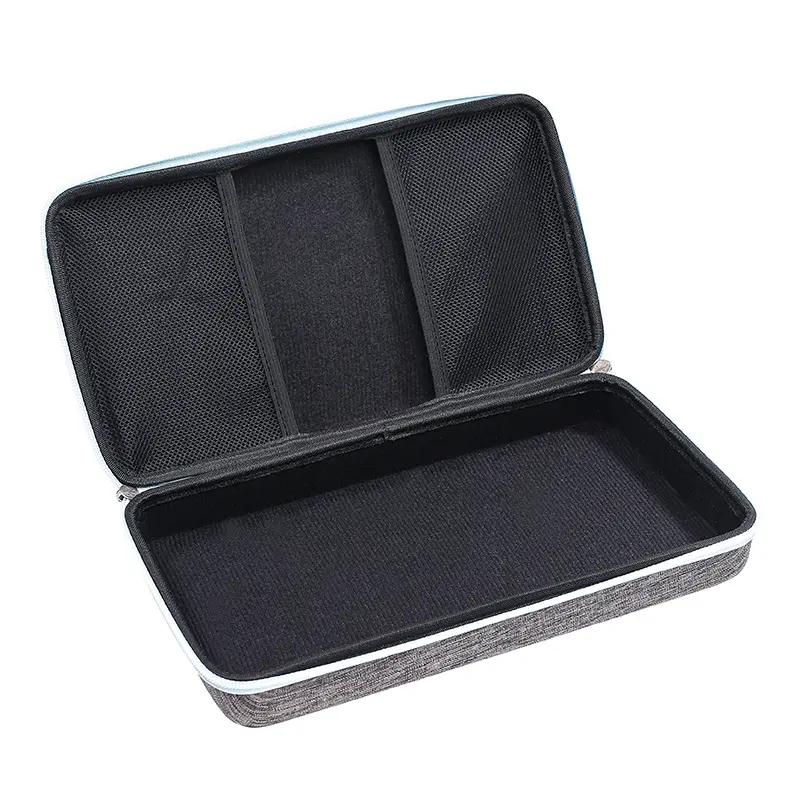
1. Introduction: Why Electricians Need Purpose-Built EVA Tool Cases
Electricians rely on precision, fragile testing gear alongside rugged hand tools, and standard canvas bags or flimsy plastic boxes fail to balance protection and organization. Multimeters, voltage testers, insulated screwdrivers, wire strippers, thermal cameras, and small circuit accessories are easily scratched, cracked, or lost during site transport—leading to costly tool replacement and costly job delays.
Hard-shell EVA tool cases have become the industry standard for electrical professionals, wholesale distributors, and electrical equipment brands. Unlike generic storage solutions, they are engineered to absorb impact, repel job-site moisture, and lock every tool into a dedicated molded cutout. This guide breaks down exactly what procurement managers, resellers, and trade business owners should evaluate when sourcing EVA cases built exclusively for electrician tool kits.
Whether you’re purchasing small batches for retail stock, placing large OEM orders for branded electrical tool bundles, or sourcing storage for in-house technician fleets, this guide eliminates guesswork to help you select high-performance, market-ready EVA carrying cases.
2. What Makes EVA Superior to Traditional Tool Storage
To understand why EVA dominates electrical tool storage, compare its performance against three widely used alternatives:
Canvas Tool Bags
- Cons: No rigid structure; tools shift freely during transit. Moisture seeps through fabric, corroding metal probes and metal tool contacts. No dedicated slots, so small fuses, terminals, and test leads constantly go missing.
- EVA Advantage: Rigid outer shell holds shape; CNC-machined foam inserts secure every component in place. Water-repellent outer fabric blocks rain, dew, and job-site spillage.
Hard Plastic Utility Boxes
- Cons: Heavy, brittle plastic cracks on drops; flat interiors offer zero customized storage. Sharp metal tools scratch smooth plastic interiors, and loose tools rattle nonstop during transport.
- EVA Advantage: 30–50% lighter than solid plastic cases with equal crush resistance. Soft foam lining prevents scuffs on sensitive digital testing equipment.
Metal Tool Chests
- Cons: Bulky, heavy, prone to rust in damp crawl spaces or outdoor electrical sites. Expensive to ship and impractical for daily carry between residential and commercial jobs.
- EVA Advantage: Ultra-portable with integrated ergonomic handles; rust-proof composite materials withstand humid, wet work environments at a fraction of the shipping weight and cost.
EVA (Ethylene Vinyl Acetate) core material balances flexibility and rigidity: the shell flexes slightly to absorb hard impacts without breaking, while closed-cell foam inserts cushion delicate digital meters and calibrated electrical instruments.
3. Must-Have Core Features for Electrician EVA Cases
When evaluating any EVA case intended for electrical tools, prioritize these non-negotiable design elements:
Custom CNC Molded Foam Interior
The single most critical feature for electrician use. Generic egg-crate foam offers zero targeted protection, but precision-cut foam creates individual recesses sized for:
- Digital multimeters & thermal imagers
- Insulated pliers, cutters, screwdriver sets
- Test leads, alligator clips, fuse assortments
- Charging cables, power adapters, instruction booklets Recesses eliminate internal tool movement, preventing probe bending and screen damage during vehicle transport or ladder hauling. Two-layer foam (hard base + soft top lid foam) delivers double-sided shock absorption.
Water & Dust Resistant Construction
Electrical work often takes place in basements, attics, outdoor utility boxes, and construction zones. Look for:
- 1680D waterproof Oxford outer fabric (abrasion-resistant against concrete and metal framing)
- Sealed, corrosion-resistant metal coil zippers with rubber coating to block moisture ingress
- Fully taped interior seams to stop fine drywall dust, insulation fibers, and dirt from settling on circuit testers
Reinforced Carrying Hardware
Daily all-day transport demands durable handles and optional shoulder straps:
- Molded plastic grip handles (sewn into shell, not glued) for heavy full kits
- Detachable adjustable nylon shoulder straps for hands-free ladder climbing
- Double-stitched strap anchor points to prevent tearing under load
Built-In Mesh Document Pouch
A full-width mesh pocket on the case lid stores safety datasheets, wiring diagrams, calibration certificates, and spare small parts without crowding tool cutouts. Elastic cross straps secure loose paperwork so it does not shift during travel.
Crush-Proof EVA Shell Thickness
Minimum 3mm compressed EVA shell thickness is required for professional electrical use. Thinner 1–2mm EVA shells deform under stacked luggage or toolbox weight, crushing internal testing equipment. Premium models use dual-layer EVA composite for extreme impact resistance.
Color & Safety Branding Compatibility
Electricians and electrical supply brands prefer high-visibility color options (orange, red, navy) that stand out on chaotic job sites. Cases support silk-screen printing, embossed logos, and metal name plates for private labeling.
4. 5 Common EVA Case Styles for Different Electrical Workflows
Different electrical job types require distinct case sizes and shapes. Below are the top five case configurations stocked by global electrical distributors:
Compact Pocket EVA Cases (Small Instrument Storage)
Best for: Single multimeters, voltage pens, wire tracer tools, small fuse kits Dimensions: 15cm–25cm length Use case: Residential service electricians carrying only essential testing gear for quick service calls Key benefit: Ultra-lightweight, fits tool belt pouches or vehicle glove compartments
Standard Handheld EVA Tool Kits (All-Purpose Technician Sets)
Best for: Complete starter electrician kits (screwdrivers, pliers, multimeter, test leads) Dimensions: 30cm–40cm length Use case: Apprentices, residential wiring technicians, retail bundled tool sets Key benefit: Balanced capacity and portability, fits car backseats and storage lockers
Large Hard-Shell EVA Master Cases (Commercial Electrical Teams)
Best for: Thermal cameras, full socket sets, cable crimpers, large diagnostic hardware Dimensions: 45cm–60cm length Use case: Commercial electrical contractors, industrial maintenance teams Key benefit: Extra deep foam cutouts for bulky power testing equipment, stackable flat top surface
Slim Profile Cable & Accessory EVA Pouches
Best for: Test lead bundles, cable ties, terminal assortments, replacement fuses Dimensions: Narrow 8cm–12cm depth Use case: Supplemental storage to pair with larger main tool cases Key benefit: Minimal bulk, stackable inside work vans and tool chests
Round Specialty EVA Cases (Headset / Inspection Cameras)
Best for: Electrical noise-canceling headsets, pipe inspection cameras Use case: Commercial audio-visual electricians, utility line technicians Key benefit: Custom circular foam molds fit curved specialty equipment perfectly
5. How To Match Case Design To Your Electrical Tool Set
Before finalizing a custom EVA case design, map your tool inventory to avoid wasted space or tight fit issues:
- List all core tools and their maximum dimensions (length, width, depth)
- Separate fragile digital testing gear from heavy metal hand tools to assign thicker foam padding to delicate items
- Count small accessories (fuses, clips, adapters) to allocate dedicated mini cutout slots
- Determine transport environment (van storage, ladder carry, air freight) to select shell thickness and handle style
- Confirm branding requirements (logo placement, case exterior color matching your product line)
For multi-item electrical kits, two-tier foam layouts are recommended: a deep lower layer for large tools, and a shallow upper lid layer for small accessories and paperwork.
6. Customization Options For Wholesale & Branded Orders
For distributors, electrical equipment manufacturers, and corporate fleet procurement, full customization is available on bulk EVA case orders:
Exterior Customization
- Fabric color matching (black, orange, red, blue, camouflage, carbon fiber PU finish)
- Silk screen, heat transfer, or embossed brand logos on front/side panels
- Custom metal name plates, woven label tags, printed zipper pulls
- Contrast colored zippers and trim for product line differentiation
Interior Customization
- Full CNC foam cutting to match exact tool shapes (no generic one-size foam)
- Colored foam inserts (black, blue, grey) to color-code tool categories
- Removable modular foam dividers for flexible kit expansion
- Custom mesh pocket sizes and elastic strap layouts
Functional Add-Ons
- Detachable adjustable shoulder straps
- External side zipper accessory pockets
- Stackable reinforced corner bumpers for warehouse storage
- Custom printed care/warning labels inside the case lid
Standard minimum order quantities start at 500 units for fully customized molded foam designs, with shorter lead times for stock color shell modifications.
7. Material & Quality Checklist For Bulk Buyers
Use this checklist to audit sample EVA cases before placing large production orders:
Outer Shell & Fabric
- Outer fabric weight minimum: 1200D Oxford (1680D preferred for heavy daily job site use)
- EVA shell thickness ≥3mm for professional electrical applications
- No thin, brittle shell edges that dent under light pressure
- Fabric resists snags from metal wiring and drywall fasteners
Zipper & Hardware
- Metal double zippers with rubber water-resistant coating
- Stitched handle anchors with triple row stitching
- Plastic handle grips with anti-slip texture for sweaty work gloves
- Metal hardware free of rust-prone uncoated steel
Foam Insert Quality
- High-density closed-cell EVA foam (low-density foam compresses permanently after months of use)
- Clean, smooth CNC cut edges without rough foam residue
- Lid foam thick enough to hold tools securely when zipped closed
- No loose foam particles that can contaminate circuit boards and test probes
Construction Stitching
- All panel seams double stitched to prevent fabric splitting
- No loose threads on interior or exterior surfaces
- Zipper track fully bound with fabric tape to stop dust entry
8. Real-World Use Cases & ROI For Electrical Contractors
Retail Electrical Supply Bundles
Branded EVA tool cases add perceived product value to pre-packaged electrician starter kits. Retail data shows kits with custom molded EVA storage sell 35% better than loose tools in plastic bags, as customers recognize the premium protective packaging as a long-term investment.
Commercial Technician Fleet Storage
Companies outfitting 20+ service vans with standardized EVA cases reduce lost tool replacement costs by 40% annually. Every tool has a designated slot, so technicians quickly identify missing probes or screwdrivers before leaving the shop, eliminating return trips to retrieve forgotten equipment.
Industrial Equipment OEM Packaging
Manufacturers of multimeters, thermal imagers, and cable testers replace flimsy original cardboard packaging with reusable EVA carry cases for retail and industrial clients. The durable case doubles as permanent field storage, improving customer satisfaction and reducing product damage during shipping.
Wholesale Distributor Stock
Multi-size EVA case lines allow distributors to cater to every customer tier: compact pouches for entry-level testers, large master cases for industrial equipment. Uniform core shell designs cut inventory costs while supporting custom branding for private label clients.
9. Frequently Asked Questions
Q: Are EVA cases waterproof for outdoor electrical work?
A: They deliver high water resistance against rain, dew, and splashes but are not fully submersible. The sealed zippers and coated outer fabric block surface moisture, ideal for most construction and utility site conditions. For fully underwater use, specialized sealed hard cases are recommended.
Q: Can foam inserts be replaced if a customer adds new tools?
A: Yes. Manufacturers produce replacement CNC foam inserts for existing case shells, allowing buyers to reconfigure internal layouts without purchasing entirely new storage units. Modular divider foam is also available for flexible tool set expansion.
Q: What lead times apply for custom molded EVA case bulk orders?
A: Standard production lead time for fully customized foam and branding is approximately 20 working days post sample approval. Stock shell, logo-only orders ship faster, within 7–10 days.
Q: Are EVA materials compliant with global industry standards?
A: Qualified manufacturers produce EVA cases meeting CE, RoHS, and REACH material regulations, suitable for distribution across North America, Europe, and Southeast Asia electrical supply markets. No toxic plasticizers are used in the foam or shell composite.
Q: How do I clean EVA cases after dirty construction site use?
A: Wipe outer fabric with mild soap and water; foam interiors can be vacuumed to remove drywall dust and metal shavings. Avoid harsh chemical cleaners that degrade the water-repellent fabric coating.
10. Final Buying Recommendations
For Retail Resellers
Stock three core sizes: compact meter pouches, standard all-around technician cases, and slim cable accessory pouches. Offer blank stock color options for fast turnaround private label printing to serve small electrical contractors and repair shops.
For OEM Electrical Equipment Brands
Invest in fully custom CNC foam inserts molded to match your exact device dimensions. Add embossed branding and matching exterior color schemes to create cohesive, premium product packaging that differentiates your testers and tool sets from competitors.
For Commercial Fleet & Procurement Managers
Prioritize 1680D heavy-duty fabric, 3mm thick EVA shells, and reinforced carrying hardware. Standardize one case size for all field technicians to simplify replacement inventory and uniform fleet branding.
Key Takeaway
The best EVA tool cases for electricians balance targeted protective foam molding, rugged job-site durability, and flexible customization. When sourcing for resale, corporate fleets, or OEM product packaging, prioritize manufacturers capable of precision CNC foam cutting, consistent material quality, and fast bulk production timelines to maximize product lifespan and end-user satisfaction.
Post time: Aug-14-2026