




EVA case foam inserts decide whether a finished product reaches the customer intact or arrives as a warranty claim. The hard shell takes the first hit, but the foam controls how that impact energy travels to the item inside. For tool brands, instrument makers, and distributors, the insert is not a cosmetic layer. It is the engineered cushion that converts a sharp shock into a distributed, manageable load.
EVA Case Foam Insert Design: Density and Product Protection
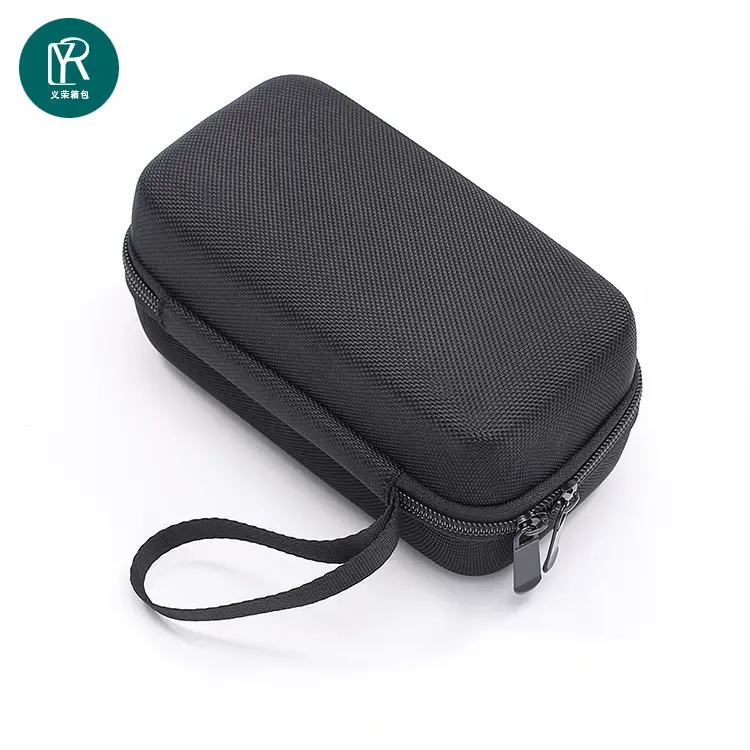
Foam density is the first specification a buyer should request. Most EVA inserts fall between 30 and 80 kg per cubic meter. Lower density material is lighter and cheaper, but it compresses faster under repeated shock. Higher density foam keeps its shape across many drops and resists permanent deformation. The correct choice depends on the item weight and how many impacts the case must survive during a typical year of field use.
Foam Density and Shock Absorption
Density alone does not guarantee protection. A 45 kg per cubic meter foam with the right cell structure can outperform a denser, poorly tuned sheet because it absorbs energy over a longer travel distance. When a protected item drops, good foam slows it gradually instead of bouncing it back. Ask suppliers for the material compressive strength at 25 percent strain, expressed as a force per area value, so you can compare grades directly rather than trusting a color sample or a trade name.
Heavier items need denser foam or a thicker insert, but thickness has limits. A very thick pad reduces internal space and can push the lid against the product when closed. A practical method is to measure the item mass, then select foam that compresses roughly 20 to 30 percent under that static load. This leaves headroom for the dynamic load of a drop without bottoming out.
Cutting Process and Fit
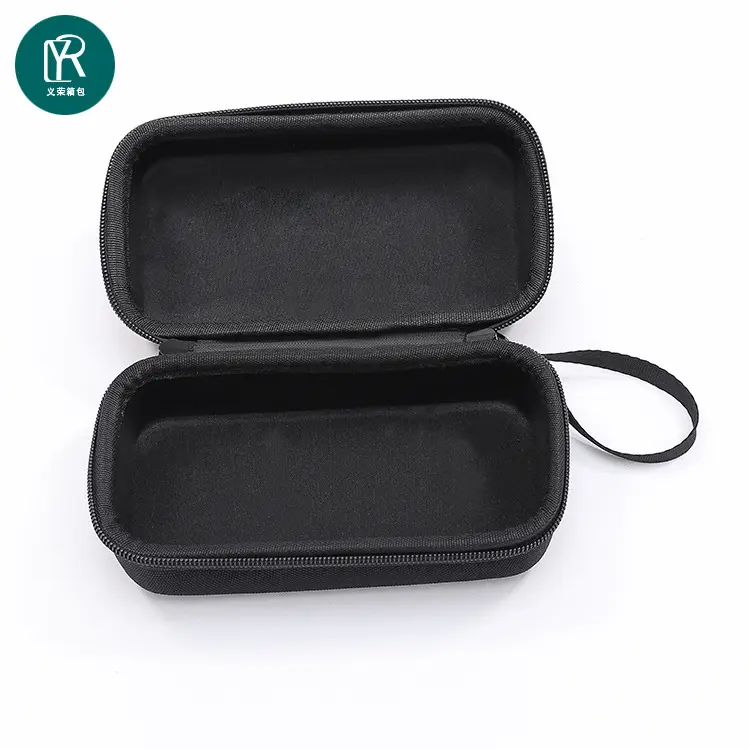
The way the insert is cut determines whether every unit fits the same way. CNC routing gives tight, repeatable tolerances and suits low to mid volume custom shapes. Die cutting is faster and cheaper at high volume but needs a steel rule and works best for simple outlines. Water jet cutting avoids heat that can harden foam edges, yet it is slower and costs more per piece.
Fit tolerance should be specified as a range, not a single number. A pocket cut 0.5 mm too large lets the item rattle; 0.5 mm too small makes assembly slow and risks tearing the foam. For multi component kits, request a sample with the actual products seated, then confirm the lid closes with light, even pressure and no bulge.
closed-cell EVA foam resists moisture and wipes clean, which matters for medical and field service kits. die-cutting tooling cost is a one-time expense that drops per-unit price only above a clear volume threshold. compression set rate tells you how much the foam loses shape after long storage under weight. acoustic foam lining reduces rattle noise for delicate instruments during transit.
Product Protection Validation
Do not accept protection claims without a test method. A simple drop test uses the packed case from a set height onto a hard floor, repeated on each face, followed by a function check of the item. Record whether the foam shows compression marks, whether the item shifted, and whether anything cracked. For international shipping, stack the case under a weight equal to several stacked cartons for a set period, then inspect for foam creep.
Temperature also changes foam behavior. Cold makes some formulations stiffer and less able to absorb a shock; heat can soften them. If the product ships across climates, request foam data at both room temperature and the expected extreme, and compare the compressive values.
drop-test height should match the real handling risk, not a generic standard, so the result reflects your supply chain.
Specification Checklist for Brand Owners
Before sending a purchase order, brand owners should lock the following points in writing:
- Foam density grade and allowable tolerance, stated in kg per cubic meter.
- Insert thickness and pocket dimensions with a clear plus or minus range.
- Cutting method and the sample approval step before mass production.
- Compression set limit after a defined storage period under load.
- Color and any surface finish, matched to a reference swatch.
- Validation method, including drop height and number of impacts.
Writing these into the contract prevents the common slide toward a cheaper, thinner foam once production starts.
Inspection for Distributors
Distributors receive mixed batches and should verify consistency, not just the first sample. On incoming inspection, pull units from several cartons and seat the actual product in each. Check that fit feels identical, that the lid closes evenly, and that no foam edge sheds particles. Measure insert thickness at three points with a caliper and compare against the spec.
Also confirm the foam does not emit a strong chemical odor, which signals uncured material that may degrade. A quick squeeze test after unpacking shows whether the foam recovers shape quickly or stays compressed.
Tip: Require a retained golden sample from the approved run and compare every future shipment against it so slow foam downgrades get caught before they reach your customer.
Frequently Asked Questions
What foam density is best for heavy tools?
There is no single answer. Weigh the heaviest tool, then choose a density where static compression sits near 25 percent, leaving room for drop loads. Request the compressive strength data to confirm.
Can one insert serve multiple product versions?
Yes, using adjustable dividers or modular pockets, but tolerances widen. If fit must be exact, design a dedicated insert per version.
How often should foam be re-tested?
Re-test when the foam supplier, batch, or climate route changes, and periodically on stored stock to catch compression set.
Related Pages
EVA Tool Case Custom Inserts Design EVA Tool Case Purchase Order Guide EVA Tool Case Sample Evaluation Guide EVA Case Bulk Order Tips
Post time: Nov-13-2026