EVA Case Supplier Risk Management: A Complete Guide for Global Buyers
For businesses sourcing
custom EVA cases, tool kits, first aid kits, electronic storage cases and other molded EVA products, partnering with reliable suppliers is the foundation of stable operations. From customized logo embossing and foam interior design to mass production and global delivery, every link in the supply chain carries potential risks. Effective supplier risk management helps buyers avoid quality defects, delivery delays, compliance penalties and unexpected cost hikes, while building long-term, mutually beneficial cooperative relationships. This guide breaks down core risks, practical assessment methods and actionable control strategies tailored to the EVA case manufacturing industry, helping you streamline supplier management and secure your supply chain.
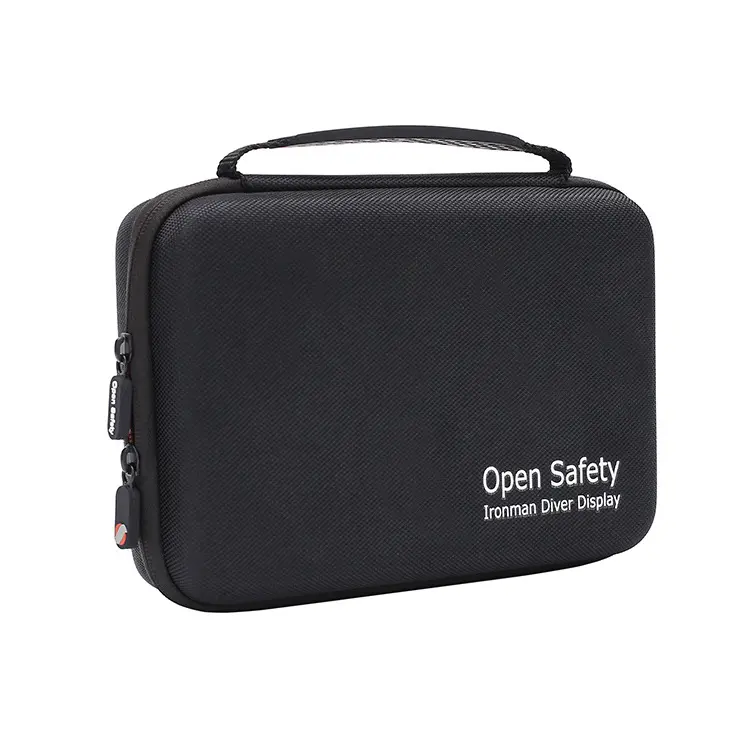
Why Risk Management Matters for EVA Case Sourcing
EVA case manufacturing is a highly customized industry. Most orders involve personalized sizes, internal foam structures, surface patterns, logo printing and special functional designs such as waterproofing and shock resistance. Unlike standard commodities, custom EVA products rely heavily on the supplier’s production technology, raw material control and on-time delivery capability. A single risk point can trigger a chain of losses for buyers.
Unmanaged supplier risks lead to common troubles in daily procurement: substandard EVA materials causing product deformation or poor shockproof performance; unstable production schedules leading to delayed shipments and missed sales windows; failure to meet international environmental certification standards resulting in goods being detained at customs; inconsistent workmanship across bulk orders damaging brand reputation. For wholesale retailers, brand distributors and industrial equipment accessory buyers, these issues directly affect profit margins and market credibility.
Proactive risk management does not mean overly restricting suppliers, but establishing a transparent, standardized cooperation mechanism. It allows both buyers and EVA case manufacturers to clarify responsibilities, stabilize product quality and optimize delivery cycles, creating a win-win supply chain ecosystem.
Core Risk Categories for EVA Case Suppliers
To conduct targeted risk control, buyers first need to fully identify all potential risks throughout cooperation with EVA case suppliers. Combined with the production characteristics of EVA cases, we summarize six major core risk categories that buyers must focus on.
1. Quality Risk
Quality is the top priority for EVA case procurement and also the most frequent risk point. EVA case quality is determined by raw materials, production processes and quality inspection systems.
Raw material risks include the use of recycled inferior EVA materials instead of new materials, uneven foam density leading to insufficient protection performance, and unqualified PU surface materials causing easy wear and water seepage. Process risks mainly appear in customized links: inaccurate cutting of internal fixed foam, loose zipper installation, blurred logo embossing or printing, and irregular stitching. In addition, some suppliers adopt loose pre-shipment inspection standards, resulting in a large number of defective products mixed in bulk orders, increasing buyers’ rework and return costs.
For special EVA products such as medical first aid kits and outdoor equipment storage cases, unqualified quality will also bring potential safety hazards to end users.
2. Delivery & Production Risk
Most EVA case orders have clear delivery cycle requirements, and production and delivery risks are closely linked to the supplier’s production capacity and operational management.
Many professional EVA case factories accept mixed customized orders. When order volume surges, unreasonable production scheduling will lead to prolonged lead times. Some small-scale factories have limited equipment and labor, unable to cope with large orders or rush orders. Another common situation is that suppliers temporarily outsource production to unknown small workshops to rush orders, resulting in completely inconsistent product quality and delivery progress.
Minimum order quantity (MOQ) is also a hidden risk. Some suppliers verbally promise low MOQ in the early stage of cooperation, but raise requirements or delay production after order confirmation, bringing troubles to small-batch trial order buyers.
3. Compliance & Certification Risk
EVA cases sold to global markets need to comply with multiple international regulations and certification standards, which is an indispensable part of cross-border procurement risk management.
Mainstream certifications in the industry include CE, ROHS and REACH, which restrict harmful substances in EVA materials, adhesives and printing inks. If suppliers’ products fail to pass these tests, goods will be rejected by customs of various countries. In addition, factory production qualifications, environmental protection emission standards and workplace safety compliance also need to be verified. Some informal workshops lack complete compliance documents. Once inspected by regulatory authorities, production will be suspended, directly interrupting the supply chain.
For customized products involving brand logos, there is also intellectual property risk. Buyers need to confirm that suppliers will not use customer’s customized designs and logos for unauthorized sales or leakage.
4. Cost & Price Risk
Fluctuating costs are common in long-term cooperation with EVA case suppliers. EVA raw materials, foam accessories, packaging materials and labor costs will change with the market. Some irregular suppliers quote low prices in the initial stage to win orders, then temporarily raise prices in the production process on the grounds of raw material increases.
Hidden costs are also easy to be ignored. For example, suppliers charge additional fees for design, sample making, logo processing and special packaging, which are not clearly stated in the initial quotation. Unreasonable price adjustment mechanisms will make buyers lose cost control and affect the overall budget of products.
5. Financial & Operational Stability Risk
The long-term operation status of a supplier determines the sustainability of cooperation. Factories with unstable funds may face production shutdown, bankruptcy or capital chain rupture. Once this happens, uncompleted orders will be stranded, and buyers’ advance payments will also face losses.
Signs of unstable operation include frequent changes of factory address, disconnected contact personnel, delayed response to communication and repeated reduction of production teams. Such suppliers often lack long-term operation plans and are not suitable for long-term strategic cooperation.
6. Communication & Service Risk
Full communication runs through the whole process from demand confirmation, design proofing, sample confirmation to after-sales service. Poor communication efficiency will cause information deviation. For customized EVA cases, slight deviations in size, style and process description will lead to a large number of unqualified products.
Some suppliers lack professional customer service and technical teams, unable to put forward reasonable optimization suggestions according to buyers’ usage scenarios, and also unable to quickly respond to after-sales problems such as defective products and delivery errors. Slow feedback and perfunctory after-sales service will greatly increase the communication cost of buyers.
Step-by-Step Supplier Risk Assessment Framework
A scientific assessment system is the premise of effective risk management. Buyers can conduct comprehensive evaluation from supplier access, regular review and dynamic scoring, and screen out high-quality cooperative partners suitable for EVA case customization business.
1. Pre-Cooperation Due Diligence (Supplier Access)
Before formally placing orders, complete comprehensive due diligence on potential suppliers to block high-risk partners at the access stage.
First, verify basic qualifications. Check the factory’s business license, production scale, workshop equipment and existing industry certifications such as CE, ROHS and REACH, and require suppliers to provide valid certification documents for verification. Second, inspect production capacity. Understand the factory’s daily output, main product types, existing cooperative brands and historical order cases, and confirm whether it can meet your order volume and customization requirements.
Third, sample testing is essential. Require suppliers to produce samples according to customized requirements, and conduct comprehensive inspection from material, process, size, logo and functionality. At the same time, clarify sample making cycle, cost and subsequent bulk order conversion rules. Finally, evaluate communication efficiency and service awareness, and judge whether the team can accurately understand customized demands.
2. In-Cooperation Regular Performance Evaluation
For officially cooperated EVA case suppliers, establish a regular evaluation mechanism, with quarterly or semi-annual assessment as the cycle, focusing on five core indicators.
- Quality Performance: Count the defective rate of bulk orders, the qualification rate of pre-shipment samples, and whether the products meet the agreed material and process standards.
- Delivery Performance: Calculate the on-time delivery rate, record the number of delayed shipments and the reasons for delays, and assess the ability to respond to rush orders.
- Cost Rationality: Evaluate the transparency of quotation, whether there is arbitrary price increase and hidden charges, and compare the price competitiveness in the industry.
- Compliance Performance: Regularly review the validity of certifications, check whether there are customs detention, regulatory penalties and other problems.
- Service & Communication: Score response speed, problem-solving ability and after-sales processing efficiency.
Classify suppliers into high-quality, qualified and risky grades according to the total score of evaluation, and formulate differentiated cooperation strategies for different grades.
3. Dynamic Risk Monitoring
Market environment and supplier operation status are always changing, so static assessment cannot cope with potential risks. Establish a daily dynamic monitoring mechanism. Keep abreast of market trends of EVA raw materials in real time, and communicate with suppliers in advance to agree on price adjustment rules when costs fluctuate. Pay attention to the supplier’s production dynamics. If there are signs such as shrinking workshops, frequent personnel changes and increased customer complaints, conduct targeted re-inspection in a timely manner.
For key suppliers responsible for core orders, arrange unscheduled factory visits every year to understand the on-site production management, quality control process and employee status, so as to avoid hidden risks caused by outsourcing production.
Practical Risk Control Strategies for EVA Case Buyers
After identifying and assessing risks, buyers need to adopt targeted control measures to resolve and avoid risks. Combined with the actual procurement scenario of EVA cases, the following operable strategies are sorted out.
1. Build a Diversified Supplier Portfolio
Over-reliance on a single supplier is the biggest hidden danger in the supply chain. For core EVA case products, select 2 to 3 stable qualified suppliers as alternative partners. Distribute orders reasonably according to the advantages of different factories: arrange complex customized products with high process requirements to factories with strong technical strength; distribute conventional standard products to cost-effective factories.
A diversified supplier system can not only effectively avoid supply interruption caused by single factory production shutdown, delivery delay and other problems, but also promote healthy competition among suppliers, optimize product quality and quotation level. At the same time, conduct equal qualification review and performance management for all alternative suppliers to ensure the overall stability of the supply chain.
2. Standardize Contracts and Clarify All Terms
A rigorous contract is the most effective legal guarantee for both parties to cooperate. All verbal agreements must be converted into written contract clauses, especially for customized EVA products.
The contract needs to clearly mark product specifications, EVA material standards, foam structure, logo process, color and size parameters to avoid information deviation. Specify the delivery cycle, delivery method and liability for delayed delivery, and formulate corresponding compensation clauses for losses caused by delayed shipment. Detail the quality inspection standards, defective product return and rework process, and clarify the bearing of related costs.
In terms of payment terms, try to adopt installment payment linked to production nodes, such as a small deposit after order confirmation, partial payment after sample confirmation, and the final balance paid after shipment inspection, so as to control the risk of advance payment. For certification and intellectual property rights, add confidentiality and compliance clauses to restrict suppliers from leaking designs and using unqualified materials.
3. Strengthen Full-Process Quality Control
Quality control needs to run through all links from raw material incoming inspection to finished product shipment. Request suppliers to provide raw material batch test reports for each order to ensure that EVA, foam, accessories and adhesives meet standards. Arrange personnel to track the production progress of key orders, conduct spot checks on semi-finished products in the production process, and correct problems in time.
Strictly implement pre-shipment inspection. Randomly inspect the quantity, appearance, performance and packaging of bulk goods before delivery. For orders with high requirements, a third-party inspection agency can be entrusted to complete the inspection. After the goods arrive, conduct incoming inspection again. Once a large number of defective products are found, start the return and rework process according to the contract immediately.
4. Establish Risk Early Warning and Emergency Plan
For predictable major risks, formulate complete emergency response plans. In view of possible delivery delays, reserve a certain buffer time in the order cycle in advance. Once the supplier is unable to deliver on time, immediately switch to alternative suppliers to complete the order.
In response to raw material price fluctuations, sign a long-term price framework agreement with suppliers to agree on the upper limit of annual price adjustment, so as to avoid sharp price increases. For compliance risks, set up a regular certification reminder mechanism to urge suppliers to complete the renewal of CE, ROHS and other certifications in advance. When facing customs detention and other problems caused by non-compliance, quickly organize documents to communicate and trace the responsibility to the supplier.
5. Maintain Long-Term Positive Communication and Cooperation
Good communication can resolve most potential risks. Establish a fixed communication contact person with each supplier to ensure timely information synchronization of order progress, demand changes and problem feedback. For new customized demands, communicate repeatedly in the design and sample stage to confirm every detail and avoid rework of bulk orders caused by later changes.
For high-quality long-term cooperative suppliers, maintain interactive communication, understand their production difficulties and market pressure appropriately, and reach a consensus on reasonable demand adjustment. A stable partnership based on mutual trust can make suppliers more active in prioritizing your orders, optimizing processes and controlling quality, forming a virtuous cycle.
How to Screen High-Risk EVA Case Suppliers: Obvious Red Flags
In the process of selecting and cooperating with suppliers, some obvious warning signs can help buyers quickly identify high-risk partners and stay away from potential losses.
First, the quotation is far lower than the industry average. The production cost of qualified EVA cases is relatively transparent. If the supplier offers an unreasonably low price, it is very likely to cut corners on raw materials and processes. Second, refuse to provide complete certification documents, samples or factory real shots, and make various excuses to evade factory visits, which usually means that the factory has unqualified production conditions.
Third, the communication attitude is perfunctory, the reply is slow, and the demand understanding is always deviated. After the problem occurs, shirk responsibilities repeatedly and do not take the initiative to solve it. Fourth, frequently change contact information, factory address, and repeatedly adjust the agreed MOQ, delivery cycle and price in the cooperation process. Fifth, verbally promise various preferential conditions, but refuse to write all terms into the formal contract.
When encountering the above situations, buyers should raise risk alert levels in time, conduct re-inspection or terminate cooperation to prevent greater losses.
Final Thoughts
EVA case supplier risk management is not a one-time work, but a long-term dynamic management process running through the entire procurement cycle. From pre-cooperation screening and in-cooperation monitoring to post-problem resolution, every link needs to maintain a rigorous attitude.
For global buyers, the core of risk management is to take prevention as the main factor and control as the supplement. By establishing a scientific assessment system, standardized contract clauses, diversified supplier layout and full-process quality control, you can effectively reduce various hidden risks in EVA case procurement. Choosing the right management strategy not only helps you stabilize product quality and control costs, but also helps you establish closer and more reliable cooperative relations with excellent EVA case manufacturers, jointly respond to market changes and expand market share.
In the fiercely competitive customized EVA case market, a stable and low-risk supply chain will become your core competitive advantage.
Post time:
Jun-12-2026