




EVA Case Zipper and Hardware Failure Modes: A Field Checklist
When an EVA case fails in the field, the molded shell is rarely the culprit. The zipper, slider, pulls, buckles and handle mounts absorb the repeated abuse, and they are what a buyer gets blamed for when a distributor opens a return carton. This checklist is for teams who need to diagnose failures before they spread. It covers how closures break, how to choose teeth and sliders, which corrosion tests matter, and how to read return data as an early warning.
Almost every failure traces to a wrong component choice, an unstable assembly process, or a tolerance never written on the drawing.
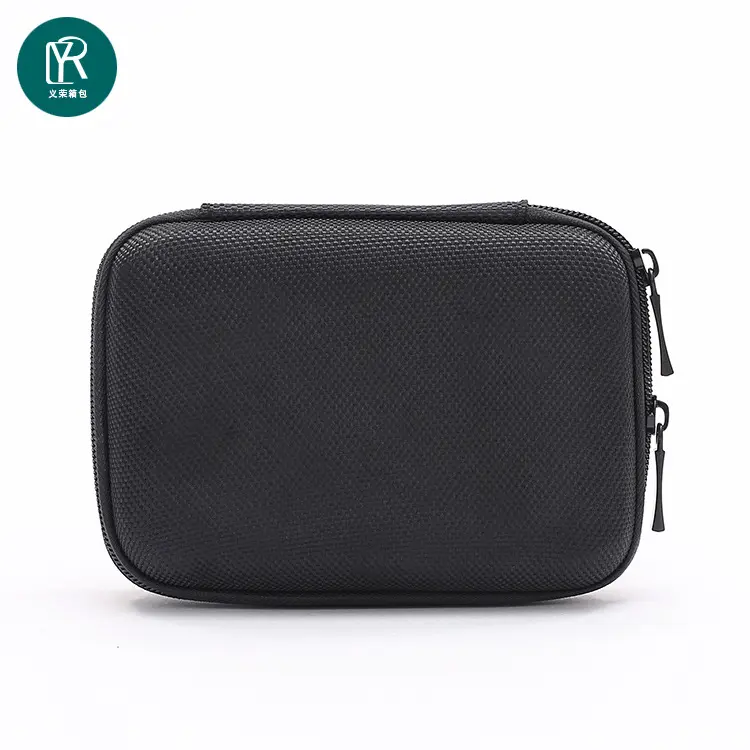
Common Zipper Failure Modes and What They Tell You
A zipper degrades in stages, and each stage points to a different corrective action.
- Slider derailment at the top stop. The chain separates just below the stop after repeated hard opening. Usually the stop was crimped too far from the last tooth, or the slider has too much internal clearance.
- Tooth stripping or missing elements. Teeth shear off or the coil unravels. On molded chain this suggests brittle resin; on coil it points to low-grade monofilament or a seam cut too close to the elements.
- Slider jamming or sluggish travel. The pull binds at curves. Causes include tape too thick for the chain, foam or adhesive in the chain path, or a locking mechanism damaged during sewing.
- Tape fraying at the seam allowance. The fabric edge next to the teeth tears first. This is almost always a stitch density problem or a needle that severed warp fibers.
- Pull tab breakage. The pull snaps at the attachment point. Thin gauge stampings and sharp inner radii are the usual reasons.
Record the chain position and cycle count for each failure. A slider that fails in the same spot on every unit is a process defect; one failing at random locations is a material defect.
Hardware Failure Modes Beyond the Zipper
Buckles, D-rings, swivel hooks and rivets fail in predictable ways. Most are load-path problems.
- Corrosion and pitting. Plating that is too thin, or not passivated, shows white rust after a few weeks of humid transit.
- Galvanic reaction. Mixing an aluminum buckle with a steel rivet in wet conditions attacks the less noble metal. Specify compatible alloys or add an insulating washer.
- Rivet pull-through and spin. The head pulls through the reinforcement, or the rivet rotates freely. Both mean the washer or backing plate was omitted or undersized.
- Stress cracking. Plastic buckles crack at gate marks, sharp corners or mold-flow welds. A higher grade of resin will not correct a design flaw.
- Handle mount separation. Webbing pulls out of the stitched anchor under load. Reinforcement needs a defined box-and-cross pattern and a minimum stitch count.
Zipper Teeth and Slider Selection for Durability
Start with the chain type. Molded chain is the default for tool and instrument cases because it tolerates dust and impact better than coil. Coil is quieter and more flexible, which suits slim sleeves, but it is easily abraded at the curves of a rounded lid. For hard use, specify a larger chain than the minimum that fits the opening; the extra engagement absorbs contamination.
Match the slider to the chain, not the other way around. A slider built for a lighter chain will ride up and derail when the case is overpacked. List the chain size and slider model as separate bill-of-materials items, and require a locking slider when cases are stacked. This prevents the chain from creeping open under vibration.
Our zipper teeth recommendation is to approve the tooth profile and slider as a matched pair during sampling, then freeze both part numbers. Changing either without re-testing invalidates your durability results.
Salt Spray and Corrosion Testing That Means Something
A supplier who says a buckle is corrosion resistant has told you very little. The useful question is which test, which duration and which acceptance criterion. Neutral salt spray testing is the common baseline for plated steel: a controlled saline mist run for a set number of hours, followed by a written rating of white rust and red rust.
Set the standard before the test. Define the maximum allowed white-rust area on flat surfaces, state that no red rust is acceptable on load-bearing parts, and require that functional parts still operate. A buckle that looks acceptable but will not release under load has failed.
Our salt spray testing guidance is to test the finished assembly, not loose hardware. Plating can be damaged by riveting, and a passivated part handled with bare hands can pick up contaminants. For mixed materials, add a humidity cycle; real corrosion comes from alternating wet and dry conditions plus trapped moisture in the foam.
Open and Close Cycle Life and How to Specify It
Cycle life is the number of complete open-and-close operations a closure performs before it stops working within an agreed tolerance. It is the most useful number in a specification, yet it is often quoted without a test method, making claims impossible to compare.
A credible test defines five things: cycle count, operating speed, load inside the case, environmental condition and failure definition. Test at ambient conditions and again after conditioning, because a zipper that survives a dry bench test can bind after a high-humidity soak.
Use the real duty profile to set the target. A case opened twice a week for a decade needs a different figure from a rental case opened several times a day. Our cycle life advice is to write the target as a minimum with an accepted failure definition, for example no tooth loss, no derailment and a maximum pull force above which the sample is rejected.
Tip: Never accept a durability claim that lacks a stated failure definition, because a supplier can count a jammed or partially separated zipper as a surviving cycle.
Incoming Inspection Checklist
Use this incoming inspection checklist at the receiving dock. Each item needs a recorded result.
- Verify chain size, slider model and pull type against the approved bill of materials.
- Check top and bottom stops for secure attachment and correct spacing from the end teeth.
- Run each sampled zipper through a full stroke and record binding or uneven travel.
- Measure pull force against the agreed upper limit with a calibrated gauge.
- Inspect plated hardware for blisters, burn marks and bare edges under good lighting.
- Confirm rivets and washers are present and that no rivet spins freely.
- Check stitching at handle anchors for the specified pattern and stitch count.
- Compare the sample with the golden sample for color, finish and geometry.
- Record lot number, inspection date and tester name on the sheet.
Define sampling by lot size and severity, with a clear action when a defect is found: quarantine, re-inspect or return.
Supplier Audit Points
An audit should examine capability, not just a certificate. Focus on the controls that keep every lot matching the approved sample.
- Confirm approved vendor records for chain, sliders and plating subcontractors, with change notification required.
- Review in-house test equipment, including pull gauges, cycle testers and any salt spray cabinet, plus calibration records.
- Ask for the process control plan for sewing, riveting and slider attachment, with stitch density and torque settings.
- Check traceability from raw material lot to finished case so a field failure can be isolated to a production window.
- Verify a first-article check at the start of each run, with the result recorded.
Our supplier audit position is that a willingness to share failing data matters more than a perfect presentation. A partner who shows you their defect log and corrective actions is easier to work with.
Using Distributor Return Data as a Feedback Loop
Return data is the most honest durability test you will get, because it reflects real use, shipping and handling. Most returns arrive as a single number with no detail.
Ask distributors to code each return by component and symptom: slider derailment, tooth loss, corrosion, broken pull, handle separation. Record the production lot and time in service where possible. A spike in one symptom across several distributors suggests a process change; a steady low level of random failures is normal wear.
Our distributor return data practice is to review it monthly against inspection results and the supplier’s own test records. When a failure appears in returns before it appears in your factory tests, your test method is not severe enough. Feed the findings back so the specification stays a living document.
FAQ
Q: Which is more durable, molded chain or coil chain?
A: Molded chain resists dust, impact and abrasion better, which is why it dominates tool cases. Coil is more flexible but is more easily damaged at tight curves.
Q: How do I compare durability claims from different suppliers?
A: Require the same test method, cycle count, load condition and failure definition from each. A number without those four elements is not comparable.
Q: What is the fastest way to screen a bad hardware batch?
A: Combine a visual check under good lighting with a functional pull test on a defined sample. Visual inspection alone misses thin plating and slider wear.
Q: Does a higher salt spray rating guarantee field performance?
A: No. It shows the plating resists a controlled mist. Field performance also depends on assembly damage, mixed metals and trapped moisture, so test the finished case.
Q: When should I change a supplier after repeated failures?
A: First check whether failures share a lot and whether the supplier can correct the cause. One who cannot trace the problem after a documented corrective action request is the greater risk.
Final Checks Before You Sign Off
Make the closure and hardware specification as detailed as the shell specification. Name the chain size, slider model, finish, plating thickness, cycle target, test method and acceptance criteria in one document, then tie the inspection sheet and return-data review to it. Failures are rarely mysterious once the data is structured.
Related Pages
EVA Tool Case Purchase Order Guide
EVA Tool Case Sample Evaluation Guide
EVA Tool Case Custom Inserts Design
Post time: Nov-11-2026