




EVA Case Zipper Systems: Coil, Vislon and Pull Tab Specs
Zipper choice is one of the highest-consequence decisions in an EVA case program. The shell, foam and fabric can all be specified correctly, yet the case still fails in the field if the zipper jams, splits or detaches. For B2B buyers the decision usually narrows to two families: nylon coil zippers and molded Vislon zippers, combined with a pull tab spec that matches how users open the case. This guide covers the trade-offs, the spec lines for your purchase order, and the acceptance tests that keep a shipment from becoming a claims file.
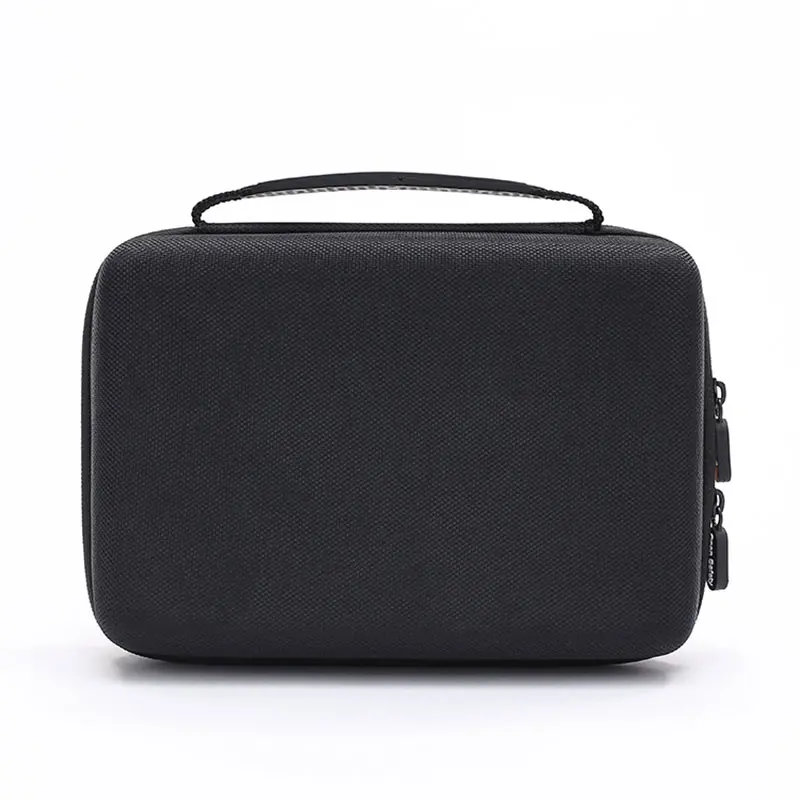
Coil Zippers: Flexibility and Curve Tolerance
Coil zippers use nylon filament spirals sewn onto tape. Their main advantage on an EVA case is flexibility: the chain bends smoothly around curved openings, which is why they dominate on rounded clamshell cases and smaller instrument cases. Coil chains also self-heal to a degree; a jammed slider can usually be run back and the teeth re-engage.
- Standard sizes: No. 5 for small to medium cases, No. 8 or No. 10 for heavy tool cases and longer spans.
- Slider types: auto-lock sliders prevent the case from creeping open in transit; non-lock sliders are acceptable only on light sleeves.
- Cycle rating: a quality auto-lock slider should pass several thousand open-close cycles without latch failure. Ask for the slider supplier’s test report rather than a verbal number.
The limits of coil are tooth strength and pick resistance. A sharp blow to a loaded seam can distort the coil, and the fine teeth clog with grit faster than molded teeth. For cases that travel in vehicle trunks, job sites or checked baggage, tooth durability is the deciding factor.
Vislon Zippers: Strength on Long Spans
Vislon zippers use injection-molded polyacetal or nylon teeth bonded to tape. The teeth are larger and harder, which gives higher lateral strength and better resistance to grit and debris. On EVA tool cases with long openings, the molded chain holds the seam line straighter and resists the bulging pressure that packed contents apply to a closed case.
- Size selection: No. 8 is the workhorse for tool and equipment cases; No. 10 suits large transit cases with heavy contents.
- Curve limits: molded teeth do not wrap tight radii well. If your shell has a strongly curved opening, request a sample sewn with Vislon before approving the pattern.
- Slider choice: auto-lock is standard; double-pull sliders on two-way chains help large cases open flat for foam insert access.
- Cold behavior: polyacetal teeth stay functional at low temperatures, which matters for outdoor and vehicle-mounted programs.
Vislon costs more per meter and adds weight. On price-sensitive retail programs where the opening is short and the load is light, coil remains the more economical choice.
Pull Tab Specs: The Part Buyers Forget
Pull tabs fail and get replaced far more often than chains, and they carry your logo. Specify them explicitly instead of accepting the factory default:
- Material: TPU tabs handle cold and repeated flexing; PVC-dipped tabs are cheaper but can stiffen and crack in cold climates.
- Attachment: cord loop through the slider body is the most repairable; molded-in tabs look premium but require replacing the whole slider if damaged.
- Length: long enough for gloved hands on tool cases, typically 40 to 60 mm; shorter tabs on consumer sleeves where snag risk matters.
Tip: Always approve a signed pull tab sample together with the pre-production case, because tab size, attachment and logo placement are the details factories most often substitute without telling the buyer.
Acceptance Tests to Write Into the PO
Put measurable requirements in the purchase order instead of vague words like “heavy duty”. A practical test set:
- Reciprocating cycle test: run the slider through a defined number of open-close cycles on a standard tester; record any latch or tooth failure.
- Lateral strength: pull the closed chain apart at a specified force on a tensile tester and record the result against the chain supplier’s datasheet.
- Grit and dust exposure: operate the zipper after dust exposure, then confirm it still closes fully; this catches field failures that cycle tests miss.
- AQL sampling: inspect zippers as a distinct defect category during final random inspection, with separate limits for chain, slider and tab defects.
Requiring the chain and slider brand names, or an equivalent spec, in writing matters just as much. Two factories quoting the same case can differ in unit cost purely from zipper grade, and the cheaper chain shows up in your warranty data a year later.
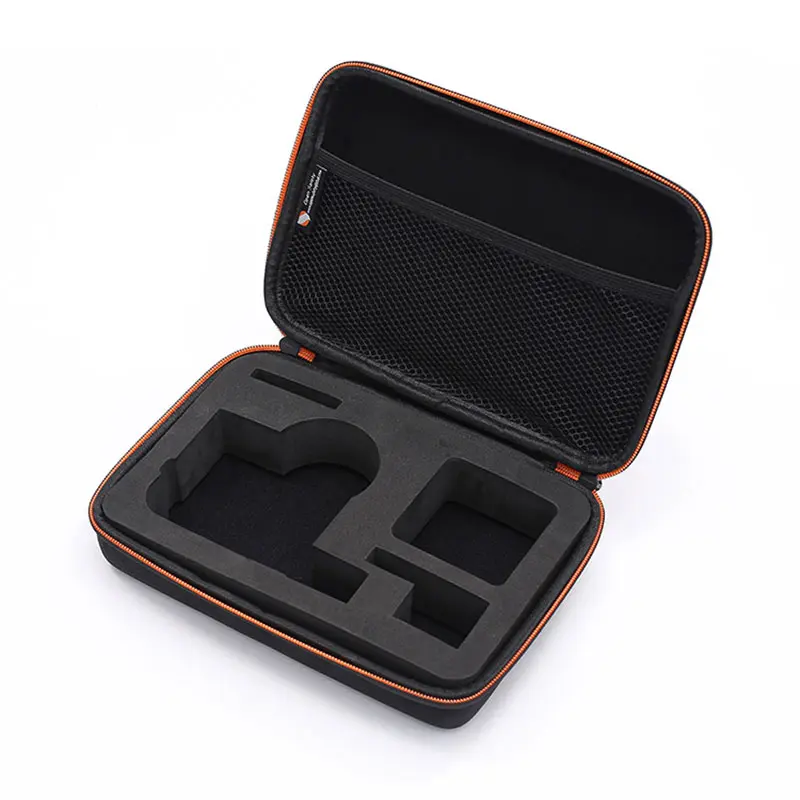
Matching Zipper Type to Case Program
A quick selection logic for procurement teams: use coil with auto-lock sliders for curved openings, consumer sleeves and weight-sensitive retail products; use Vislon No. 8 or No. 10 for tool, outdoor and transit cases with long straight openings and heavy contents; and treat pull tabs as a branded component with their own sample, material and test requirements. When the zipper is specified with the same rigor as the shell and foam, field failure rates drop and the case program is easier to defend in retail negotiations.
Frequently Asked Questions
Q: Can I mix coil and Vislon on the same case family?
A: Yes, as long as color, tape width and pull tab style are unified. Many brands run Vislon on the flagship tool case and coil on accessories.
Q: Is a two-way zipper worth the extra cost?
A: For large cases where users open the case flat to reach foam inserts, yes. For small cases it adds cost without benefit.
Q: What should I check first when samples arrive?
A: Confirm slider lock function, tape sewing straightness at the ends, and that the tab material and logo match the signed sample.
Related Pages
- EVA Tool Case Purchase Order Guide
- EVA Tool Case Sample Evaluation Guide
- EVA Case Bulk Order Tips
- EVA Tool Case Custom Inserts Design
Post time: Nov-23-2026