




EVA Tool Case Buying Guide for Distributors
For distributors serving contractors, technicians, tradespeople, and industrial users, choosing reliable EVA tool cases is critical to satisfying end customers, reducing returns, and building long-term loyalty. Unlike ordinary storage bags, professional EVA tool cases balance durability, protection, usability, and cost efficiency—all while supporting your branding and margin goals. This complete buying guide walks you through every key factor to evaluate before placing bulk orders.
Table of Contents
- Why EVA Tool Cases Are Essential for Wholesale Distribution
- Core Material & Construction Quality Standards
- Key Protective Features to Prioritize
- Customization Options for Branding & Market Fit
- Practical Design Elements That Drive Sales
- Order Volume, Lead Time & Logistics Considerations
- How to Evaluate a Trusted EVA Case Manufacturer
- Final Checklist for Distributor Purchasing Decisions
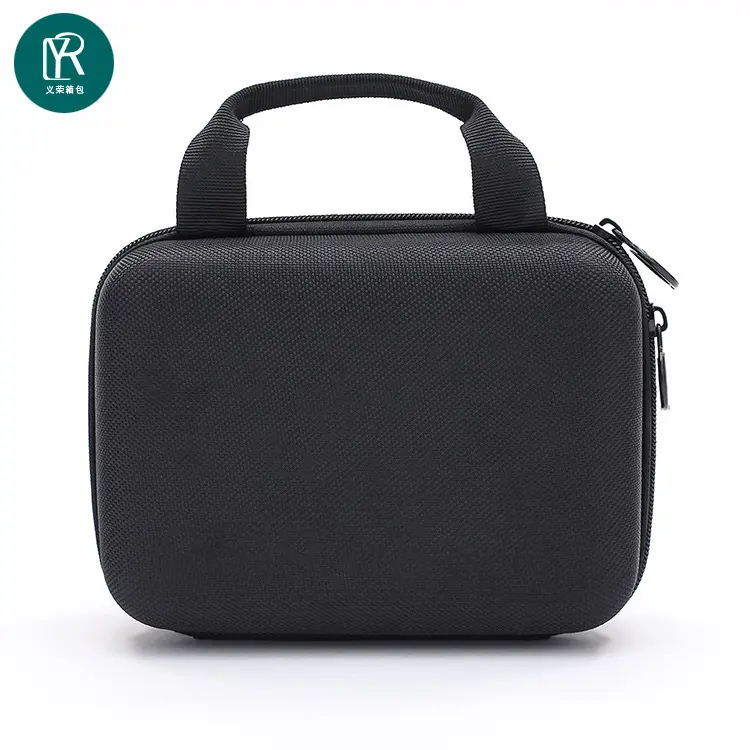
Why EVA Tool Cases Are Essential for Wholesale Distribution
EVA (ethylene-vinyl acetate) tool cases have become the industry standard for professional tool storage and transport, replacing traditional fabric bags and rigid plastic cases for many applications. For distributors, this shift creates consistent, repeatable demand across multiple sectors:
- Construction, electrical, and HVAC trades
- Automotive repair and maintenance
- Industrial assembly and field service
- Electronics and technical tool kits
- DIY and hardware retail channels
Compared to alternatives, EVA cases deliver a unique mix of benefits that end users actively seek: lightweight yet strong, shock‑absorbent, water‑resistant, and easy to clean. These advantages directly translate to higher customer satisfaction, better reviews, and stronger repeat business for your distribution channel.
Core Material & Construction Quality Standards
Material quality determines lifespan, performance, and perceived value. Cutting corners here leads to complaints, returns, and damaged reputations.
EVA Material Grade
- Density & hardness: Choose medium-to-high density EVA foam for consistent structure. Lower-density foam collapses quickly; overly rigid material cracks under impact.
- Surface durability: Look for scratch‑resistant, stain‑proof outer fabrics (such as Oxford cloth or PU-coated fabrics) that maintain appearance with heavy use.
- Certification compliance: Prioritize cases meeting CE, RoHS, and REACH standards to support global market access and safety requirements.
Shell & Frame Integrity
- Molded construction: One‑piece or precision‑molded shells resist bending better than stitched or glued panels.
- Reinforced stress points: Handles, zippers, and corners need extra layers or bar tacking to avoid tearing under heavy loads.
- Stitching quality: Heavy‑duty, high‑count sewing prevents seam failure during daily transport.
Key Protective Features to Prioritize
End users buy EVA tool cases primarily to protect valuable tools. These features directly influence purchase decisions:
Shock & Impact Resistance
- Multi‑layer EVA foam interior absorbs drops and vibration.
- Customizable foam inserts or pre‑cut trays prevent tool movement and scratches.
Water & Dust Resistance
- Water‑repellent outer layers and sealed zippers keep out moisture, dust, and debris.
- Closed‑cell EVA foam does not absorb liquids, simplifying cleanup.
Structural Stability
- Semi‑rigid shells maintain shape even when empty or stacked.
- Anti‑pressure design protects contents during shipping or warehouse storage.
Customization Options for Branding & Market Fit
Customization helps you differentiate products, strengthen your brand, and meet specific client needs—all while improving margins.
Logo & Branding
- Embossed, debossed, silk‑screened, or woven labels for professional, long‑lasting branding.
- Custom color schemes to match your brand identity or industry trends
Interior Layouts
- Fully customizable foam inserts for precise tool fit.
- Removable dividers, mesh pockets, and elastic straps for flexible organization.
Size & Configuration
- Compact pouches for small hand tools
- Mid‑size cases for general tool kits
- Large, heavy‑duty cases for power tools and accessories
Packaging & Labeling
- Bulk packaging options to reduce per‑unit cost
- Retail‑ready packaging for direct store placement
Practical Design Elements That Drive Sales
Features that improve daily usability turn first-time buyers into loyal customers:
- Ergonomic handles: Padded, reinforced handles reduce fatigue during all‑day carry.
- Smooth zippers: Heavy‑duty, corrosion‑resistant zippers glide easily and resist jamming.
- Portability: Lightweight build without sacrificing strength.
- Stackability: Optimized shape for efficient storage and shipping.
- Easy cleaning: Spill‑proof, wipe‑clean surfaces for job site conditions.
Order Volume, Lead Time & Logistics Considerations
For distributors, operational efficiency directly impacts profitability.
- MOQ flexibility: Look for suppliers willing to support moderate initial orders (e.g., 500 pieces) to test markets before large commitments.
- Production timeline: Reliable manufacturers maintain consistent lead times (commonly 15–25 business days) to avoid stockouts.
- Quality control: Inline inspections and finished‑goods checks reduce defective arrivals.
- Shipping compatibility: Cases designed for efficient container loading lower freight costs.
How to Evaluate a Trusted EVA Case Manufacturer
Not all suppliers deliver equal consistency or support. Use these criteria:
- Specialized experience: Focus on manufacturers with years focused on EVA cases, not general bag makers.
- Full‑service capability: In‑house design, sampling, production, and QC streamline communication.
- Sample quality: Request physical samples to test material, zippers, foam, and stitching.
- Communication & support: Responsive account management helps resolve issues quickly.
- Certifications: Compliance with international safety and environmental standards opens more markets.
Final Checklist for Distributor Purchasing Decisions
Before you confirm your bulk order, verify these points:
- EVA material density and durability meet job‑site demands
- Protective performance (shock, water, dust) matches end‑user needs
- Custom branding and interior options align with your strategy
- Design supports usability, portability, and storage efficiency
- MOQ, lead time, and logistics fit your inventory plan
- Manufacturer provides reliable quality control and service
By following this guide, you can select EVA tool cases that boost customer satisfaction, reduce after‑sales issues, and strengthen your position as a trusted supplier in competitive global markets.
Post time: Apr-24-2026