




EVA Tool Case Sourcing Guide: How to Find Reliable Manufacturers in China
In This Article
- Why sourcing EVA tool cases can be challenging
- Pre‑sourcing: define your requirements before reaching out to factories
- Where to locate potential EVA tool‑case manufacturers
- Key criteria to vet manufacturers
- Sample evaluation: what to inspect before mass order
- Common sourcing pitfalls to avoid
- Final tips for long‑term supplier partnership
- Frequently asked sourcing questions
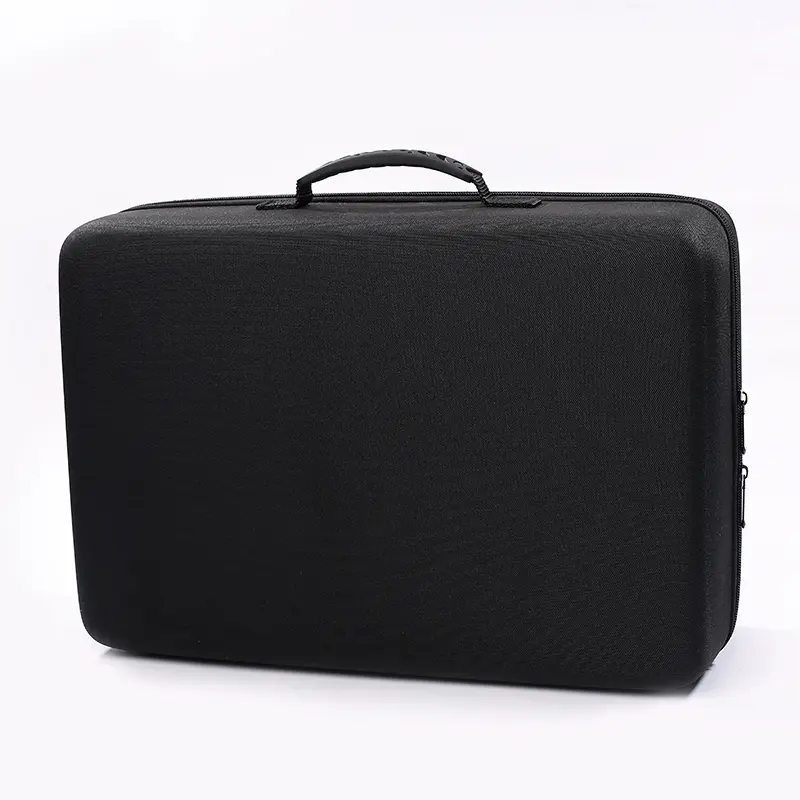
EVA tool cases are widely used across industries: hand‑tool kits, precision instrument storage, electronic accessory carrying bags, medical device protective housings, and outdoor equipment containers. Lightweight, shock‑absorbent, dust‑resistant, and highly customizable, these hard‑shell zipper cases protect high‑value items during transport and daily storage.
Even with plenty of manufacturers available, many procurement professionals struggle. Some suppliers deliver samples of high‑quality material, only to ship inferior bulk goods. Others miss deadlines, misunderstand custom‑design requirements, or cannot provide compliance documentation needed for your target market. Sourcing success depends less on picking the lowest price and more on following a structured evaluation workflow to identify truly reliable manufacturing partners.
Pre‑sourcing: define your requirements before reaching out to factories
Before sending any inquiry, document clear specifications. Vague requests produce inconsistent quotations, repeated sample revisions, avoidable delays, and unexpected extra costs. Take time to outline these points for your project:
- Core functional requirements Clarify usage scenarios. Will the cases serve indoor office storage, heavy‑duty field construction work, outdoor moisture‑prone environments, or retail shelf display? Confirm required protection levels: shock resistance, water‑repellent performance, dust protection, and expected service life.
- Physical and structural specs External dimensions, internal cavity layout, custom‑cut foam insert shapes, shell hardness and material density, zipper quality, handles, shoulder straps, mesh pockets, elastic bands, and other built‑in components. Many sourcing errors stem from poorly‑defined inner foam layouts, which are central to holding your tools or devices securely in place.
- Customization demands Logo options: emboss, silk‑screen print, heat‑transfer print, woven label or metal badge. Pantone color matching for shells, zippers, trims. Outer fabric texture (carbon‑fiber PU, textured nylon, smooth PU). Individual unit packaging requirements such as polybags or color retail boxes.
- Market compliance requirements Confirm certifications required for your destination market. Common standards include RoHS, REACH, CE, and California Proposition 65 for North‑American sales. Request material test reports; customs hold‑ups or product recalls can happen if imported goods fail regulatory checks.
- Project timelines and volumes Estimate order quantity, minimum‑order tolerance, sample‑development schedule, target mass‑production lead‑time, and latest shipment date. Mention whether this is a one‑time order or recurring repeat business.
When your specification list is complete, you can send identical requirement documents to multiple manufacturers, enabling fair, apples‑to‑apples quotation comparison.
Where to locate potential EVA tool‑case manufacturers
There are several practical channels for discovering candidate factories, each with pros and cons for procurement teams.
B2B online wholesale platforms Well‑known global B2B portals host large numbers of EVA‑case‑making enterprises. You can filter by product category, customer reviews, export history, and factory‑verification badges. Note that listings include both real manufacturers and trading intermediaries, so subsequent vetting remains essential.
Industry trade exhibitions Hardware, packaging, gift, and hardware‑accessory expos let you inspect physical samples face‑to‑face, speak directly with factory representatives, and collect catalogs. Trade‑show connections often speed‑up later communication.
Peer and industry referrals Recommendations from other importers who source similar protective cases carry high value. Existing partners can share feedback about real‑world lead‑times, quality stability, and after‑sales performance.
Specialized industrial directories Packaging‑focused directories list factories with confirmed EVA molding and case‑making capabilities. This narrows your shortlist away from general‑purpose factories without relevant equipment.
Key criteria to vet manufacturers
Once you build a shortlist of candidates, evaluate each manufacturer systematically. Do not rely only on website pictures and self‑written introductions.
1. Business legitimacy and real manufacturing capability
Confirm the manufacturer holds valid business registration documents. Check whether their business scope includes manufacturing EVA protective cases rather than purely trading activity.
A genuine EVA tool‑case factory should own core production equipment: hot‑press molding machines, CNC foam‑cutting equipment, sewing workstations, and quality‑inspection stations. Some vendors outsource all molding and foam‑cutting work to third‑party workshops; this reduces control over quality and delivery schedules.
Ask practical questions:
- How many units can you produce per month for this type of case?
- What typical lead‑times do you offer for sampling and mass‑production?
- What is your MOQ for custom‑molded items?
2. Relevant project experience
Prior experience making comparable custom EVA tool cases is critical. Request reference photos or videos of past finished projects similar to yours, especially projects with custom carved foam inserts, complex structures, or the same compliance standards your market requires. Factories accustomed only to simple generic pouches may struggle with precision‑molded protective housings for specialized equipment.
3. Quality‑control workflow
Inquire about internal quality‑control procedures: incoming material inspection (IQC), in‑line production checks (IPQC), and final finished‑goods inspection (FQC). Reliable factories inspect raw‑material batches, hardware components such as zippers and webbing, finished‑case appearance, dimensions, foam fit‑accuracy, and zipper durability before shipment.
Ask what defect‑rate targets they maintain and how they handle defective goods found after production.
4. Compliance documentation availability
Reputable manufacturers can supply copies of material test‑reports and market‑required certificates upon request. Avoid suppliers who only state “we meet standards” but cannot produce verifiable documentation. If you need third‑party lab testing, clarify testing fees and turnaround times early in discussions.
5. Communication and service attitude
Responsive, precise communication strongly predicts future cooperation quality. Observe how thoroughly they answer technical questions, whether they point‑out potential design risks, and if they actively clarify ambiguous points in your specification sheet. Slow, vague replies increase the risk of misunderstanding custom requirements.
Sample evaluation: what to inspect before mass order
Never place large‑volume production orders without reviewing physical pre‑production samples. Even detailed drawings cannot replace hands‑on assessment.
When samples arrive, complete these checks:
- Shell and outer fabric: Examine surface texture, color accuracy against your Pantone reference, scratch‑resistance, and odor. Strong chemical odors indicate sub‑standard raw‑material batches.
- Hardware components: Pull zippers repeatedly; test handle and strap attachment points for sturdiness. Poor‑quality zippers are one of the most frequent failure points for EVA tool‑cases.
- Inner foam insert: Check carving precision. Tools or equipment should sit snugly without excessive wobble or overly tight forcing. Foam density must match your protection needs.
- Overall construction: Inspect stitching, seam neatness, mesh‑pocket attachment. Close and open the case repeatedly to assess hinge and zipper performance.
- Labeling and logo: Verify logo position, printing or embossing sharpness, and color fidelity.
Document all sample issues, send clear feedback to the factory, and approve a revised sample before you sign‑off for mass‑production. Attach the final‑approved sample specifications as part of your formal purchasing contract.
Common sourcing pitfalls to avoid
Pitfall #1: Selecting the lowest quotation without calculating full landed cost
Many buyers only compare per‑unit prices. The cheapest quoted unit price can generate higher total costs. Lower bids may use thinner low‑density EVA, inferior zippers, simplified foam‑cutting, or minimal quality checks. You may later face costs for re‑work, defective‑product returns, expedited freight because of delayed production, customs fines from missing certificates, and unsellable defective inventory.
Always compare total landed cost: unit price plus sampling, testing, ocean or air freight, import duties, local taxes, and contingency budgets for possible rework.
Pitfall #2: Skipping pre‑production sample approval
Going directly from drawing to mass‑production creates huge risk. Dimensions, foam‑cavity shapes, logo placement, or material feel often differ from expectations. Pre‑production samples catch these issues early.
Pitfall #3: Vague contract terms
Verbal agreements create disputes. Your purchase contract should cover product specifications, approved‑sample reference, unit‑price, MOQ, sampling‑fees, lead‑time, payment terms, quality standards, compliance obligations, defect‑handling procedures, and penalty clauses for late delivery.
Pitfall #4: Over‑looking accessory quality
Focusing only on the hard shell and forgetting hardware: zippers, webbing, buckles, mesh pockets. Cheap accessories cause early‑life product failures and complaints from your end‑users. Specify accessory grades within your requirement sheet.
Final tips for long‑term supplier partnership
Once you identify a qualified manufacturer, building stable cooperation brings benefits: shorter lead‑times, better priority for urgent orders, deeper understanding of your product standards, and improved cost efficiency over multiple order cycles.
- Share detailed feedback after receiving each batch of goods, both positive observations and quality‑improvement points.
- Keep specifications well‑documented. Notify your supplier in writing whenever you adjust designs or material requirements.
- Maintain reasonable order forecasts when possible, allowing factories to arrange raw‑material stock ahead of your purchase‑orders.
- Arrange periodic re‑checks of samples and batch‑goods to guard against material or craftsmanship drift over time.
Frequently asked sourcing questions
Q: What is the typical lead‑time for custom EVA tool‑cases? A: Sampling generally takes 7‑14 working days. Mass‑production lead‑time commonly runs 15‑25 working days, subject to order complexity and quantity. Tool‑mold creation adds extra time for completely new custom shapes.
Q: Can I order small‑batch custom EVA tool‑cases? A: MOQ varies by factory. Many custom‑molded EVA‑case producers set MOQ starting at 500 pieces. Some suppliers accept smaller‑batch orders with higher unit‑prices for low‑volume projects.
Q: Should I arrange factory audits? A: For large‑value long‑term orders, on‑site or virtual video audits help verify real production conditions. For smaller‑volume orders, strict sample evaluation, document checks, and third‑party test‑reports serve as practical alternatives.
Q: Who pays for sampling costs? A: Most manufacturers charge sampling fees, which are often refunded once you place a bulk order of a defined quantity. Confirm sampling fees and refund rules in advance.
If you need to start your EVA tool‑case sourcing journey, make sure your requirement sheet is fully prepared, evaluate multiple manufacturers with consistent criteria, and always validate pre‑production samples before committing to mass‑production. A reliable manufacturing partner delivers stable quality, predictable timelines, and fewer supply‑chain headaches for your business.
Post time: Aug-24-2026