




EVA Tool Case Supplier Communication Tips
Introduction
Sourcing the perfect EVA tool case for your brand, product line or retail catalog hinges on clear, efficient communication with your supplier. Many procurement professionals face common hurdles: unclear customization details, misaligned quality expectations, delayed production updates and ambiguous pricing terms. Poor communication often leads to flawed samples, missed delivery deadlines, unnecessary cost overruns and products that fail to match your brand standards.
Whether you are sourcing standard EVA tool cases or fully customized molded cases with foam inserts, embossed logos and special material textures, mastering supplier communication can streamline the entire process from initial inquiry to mass production and delivery. This guide shares practical, actionable communication tips tailored for global buyers, helping you build reliable partnerships and get exactly what you need.
Why Effective Communication With EVA Tool Case Suppliers Matters
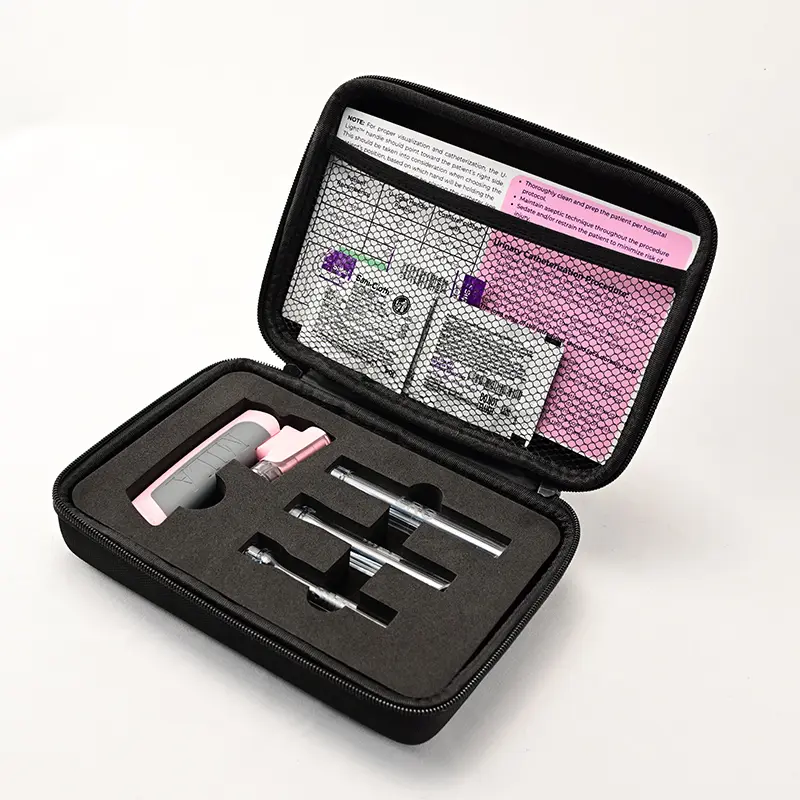
EVA tool cases cover a wide range of applications, including electronic device storage, hardware tool packaging, outdoor gear protection, first aid kits and drone carrying cases. Each category has unique requirements for shock resistance, waterproof performance, foam lining design and exterior craftsmanship.
Clear communication eliminates misunderstandings at every stage. It ensures suppliers fully grasp your design specs, quality benchmarks, order quantity and delivery timeline. It also helps you verify factory qualifications, production capacity and compliance certifications such as CE, RoHS and REACH upfront. For bulk buyers and long-term brand partners, good communication lays the foundation for stable pricing, flexible minimum order quantities and priority production arrangements.
Key Communication Tips for EVA Tool Case Buyers
1. Clarify Exact Product Specifications From the Start
Vague requirements are the biggest cause of sample rework and production errors. When reaching out to an EVA case supplier, list all detailed specifications clearly without leaving room for interpretation:
- Exterior design: Hard shell or soft EVA structure, carbon fiber texture, Oxford cloth surface or custom color matching
- Internal configuration: Custom molded foam insert, divided tray layout, shockproof sponge thickness
- Functional features: Zipper type, handle design, waterproof grade, pressure and wear resistance requirements
- Custom branding: Embossed or printed logo, logo position, font and size standards
- Dimension parameters: Exact length, width and height of the case, compatible product internal storage space
Providing reference images, design drafts or existing sample photos will help the supplier deliver accurate one-time samples and save rounds of revision time.
2. Confirm All Commercial Terms in Written Form
Verbal conversations over calls or instant messages are easily forgotten or misinterpreted. Always follow up every negotiation with written confirmation covering core commercial terms:
- Minimum order quantity and flexible order adjustment policies
- Unit price, bulk discount rules and additional costs for custom logos or special craftsmanship
- Production cycle, sample lead time and mass production delivery schedule
- Payment terms, deposit ratio and balance payment arrangements
- Shipping methods, port of destination and responsibility for freight and customs fees
This practice avoids later disputes over pricing, delivery delays and hidden extra charges, protecting your procurement interests effectively.
3. Verify Factory Qualifications and Production Capabilities Proactively
Before placing a formal order, communicate proactively to assess whether the supplier can meet your long-term cooperation needs. Ask targeted questions in a polite and professional tone:
- Years of professional EVA case manufacturing experience and main cooperative brand clients
- Possession of international compliance certifications for product export
- Daily production capacity and ability to handle large urgent orders
- In-house design team support for free solution and design customization
- Quality inspection procedures for raw materials, semi-finished products and finished goods
Reliable suppliers will provide qualification documents, factory photos and production process details voluntarily, allowing you to screen stable and qualified partners efficiently.
4. Maintain Smooth Progress Follow-Up During Production
Staying in regular contact during sample development and mass production helps you track progress and resolve problems early:
- Ask for sample production progress and confirm revision feedback within a fixed time frame
- Request production photos or short videos during mass production to check craftsmanship
- Timely inform suppliers of any minor design adjustments to avoid batch production losses
- Set a reasonable response time expectation, requiring the supplier to reply to inquiries within 24 hours
Maintaining a friendly but professional tone ensures the supplier attaches importance to your order and prioritizes progress updates.
5. Negotiate Flexibly While Sticking to Quality Standards
Price negotiation is a key part of communication, but never compromise quality for low prices. Adopt a rational negotiation approach:
- Avoid directly bargaining blindly; instead, ask suppliers for a detailed cost breakdown of materials, craftsmanship and processing
- Mention long-term cooperation intentions to strive for more favorable bulk pricing
- For small batch trial orders, negotiate flexible MOQ support from the supplier
- Put forward constructive suggestions for craftsmanship optimization to balance quality and cost
Win-win negotiation helps you get competitive prices while maintaining stable product quality, which is critical for brand long-term operation.
6. Clarify After-Sales and Quality Problem Handling Rules
Include after-sales terms in your communication to prepare for unexpected situations after goods arrival:
- Handling standards for defective products, replacement and re-production processes
- Compensation rules for delivery delays caused by the supplier’s side
- Long-term after-sales support for repeated orders and customized design updates
Clear after-sales agreements reduce communication costs when quality or delivery issues occur, ensuring smooth order resolution.
Common Mistakes to Avoid When Communicating With EVA Case Suppliers
- Providing incomplete specifications and relying on suppliers to understand your needs subjectively
- Skipping sample confirmation and directly arranging mass production
- Failing to confirm pricing and delivery terms in writing, only relying on oral promises
- Being overly aggressive in negotiation, which affects long-term cooperative relationships
- Ignoring certification and production capacity verification, leading to export compliance risks
Final Thoughts
Communication is the bridge between buyers and EVA tool case suppliers. By clarifying product specifications, confirming commercial terms in writing, verifying factory strength, tracking production progress and negotiating rationally, you can simplify the entire procurement process.
Mastering these communication tips not only helps you get high-quality, cost-effective customized EVA tool cases but also builds long-term, stable cooperative relationships with reliable manufacturers. Taking the time to communicate thoroughly at every stage will always save you more time, cost and trouble in the long run.
Post time: Jun-01-2026