




EVA Tool Case Usage Guide: Maximize Gear Protection & Service Lifespan
For procurement managers, equipment distributors, field service operators and product brand owners, selecting and operating EVA hard tool cases correctly directly impacts equipment safety, transport efficiency and long-term inventory cost. Many buyers overlook standardized usage protocols, leading to premature case wear, scratched precision tools or foam deformation during cross-region shipping and on-site work.
This complete usage guide breaks down core material logic, scenario matching rules, daily operation steps, maintenance routines and custom optimization tips, tailored to global B2B purchasing teams’ practical decision-making needs.
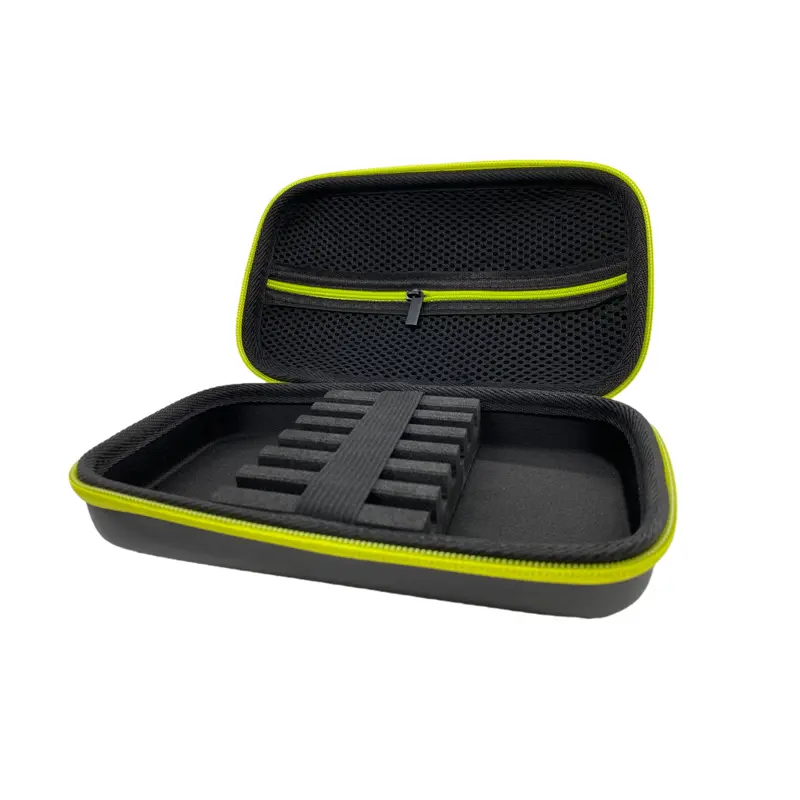
Why Standardized EVA Tool Case Usage Is Non-Negotiable
Ethylene-Vinyl Acetate (EVA) hard cases rely on closed-cell foam shells and precision CNC molded inserts to deliver three core advantages over fabric bags and cheap plastic boxes: shock absorption, water splash resistance and fully customizable internal layout. But these protective properties only work when used following manufacturer specifications.
Common risks from improper operation include:
- Overloading compartments, compressing foam permanently and eliminating shock buffer performance
- Ignoring pre-transport inspection, causing zipper split or shell crack during logistics handling
- Incorrect cleaning methods breaking waterproof coating and fading branded surfaces
- Mismatched case hardness for working environments, accelerating exterior abrasion
Every industrial vertical—automotive repair, medical device, drone tech, power tool, audio hardware—requires distinct usage habits to extend both case and equipment service life.
Chapter 1: Match EVA Tool Case Specs to Your Working Scenario
Before unpacking and loading gear, confirm your case model aligns with transport and operating conditions. This step eliminates 70% of premature damage issues for bulk inventory orders.
1.1 Indoor Workshop & Office Light-Duty Use
Recommended Case Build: 30mm thin EVA shell + 20mm soft PE foam interior, standard 600D polyester outer fabric
Usage Rules:
- Store small handheld tools, testers, charging accessories and calibration parts
- Do not stack heavy machinery (over 5kg) on top of closed cases
- Use mesh upper pockets only for paper manuals, gloves and thin cables; avoid sharp metal objects that tear mesh lining
- Ideal for static storage, daily desktop organization and retail product display packaging
1.2 Outdoor Field Service & Mobile Transport
Recommended Case Build: 40–50mm thick high-hardness EVA shell + high-density anti-compression foam, PU carbon fiber scratch-resistant coating, waterproof sealed zippers
Usage Rules:
- Designed for construction, electrical maintenance, field medical response and on-site technical support
- Load tools strictly into pre-cut molded slots to eliminate internal shifting during vehicle transport
- Utilize integrated carry handles and detachable shoulder straps for hands-free site movement
- Avoid long-term direct exposure under extreme UV sunlight without shade cover
1.3 Cross-Country Shipping & Air Freight
Recommended Case Build: Reinforced corner EVA hard shell, double-stitch zipper tracks, shock-absorbing base pad
Usage Rules:
- Wrap fragile precision equipment with flocked soft lining before placing into foam cavities
- Fill empty foam gaps with lightweight anti-vibration foam strips to prevent collision
- Attach external waterproof label pouches for shipping documentation
- Comply airline carry-on dimension limits for portable testing instruments
Quick Matching Reference Table
表格
| Primary Working Scenario | Suggested Shell Thickness | Core Usage Restrictions |
|---|---|---|
| Indoor static storage | 25–30mm | Max single case load ≤6kg |
| Daily field service calls | 40mm | Avoid dragging case across concrete ground |
| Long-distance bulk shipping | 45–55mm | No heavy items stacked vertically above cases |
| Low-temperature outdoor jobs | UV-stabilized EVA grade | Do not leave sealed cases overnight below -10°C |
Chapter 2: Step-by-Step Standard Loading & Unloading Workflow
Correct packing preserves foam geometry and prevents surface scratches on expensive instruments. Follow this consistent process for every use cycle.
Step 1: Pre-Load Inspection
- Fully unzip and flip open the case lid, check foam inserts for cracks, dents or compressed areas
- Clear mesh pockets of leftover metal shavings, dirt and sharp debris
- Verify zipper teeth slide smoothly without jamming; lubricate sticky tracks with dry silicone wax if needed
- Wipe case interior with a dry microfiber cloth to remove dust
Step 2: Place Equipment Into Molded Compartments
- Insert the largest, heaviest tool first into its dedicated bottom cavity to lower center of gravity
- Fit slender accessories (bits, probes, charging cables) into narrow side slots one by one
- Never force oversized tools into custom-cut foam recesses—this will permanently deform foam contours
- Cover optical screens, lens surfaces and painted tool bodies with supplied soft fabric separators
- Stow manuals, safety gloves and spare consumables inside upper mesh zipper pockets only
Step 3: Seal & Secure for Transport
- Close the lid gently without applying heavy downward pressure
- Pull both zipper sliders to the same side lock point; engage double zipper lock tabs if equipped
- Fasten external elastic compression straps (if included) to reduce lid gap and shock movement
- Confirm no tool edges pinch between lid and base shell before lifting the case
Step 4: Post-Job Unloading Sequence
- Unlock zipper tabs and fully open the lid flat on a clean, flat surface
- Remove small lightweight accessories first, then lift heavy core equipment out last
- Brush loose dust out of foam cavities before closing for storage
- Check interior for metal fragments that could scratch equipment on next use
Chapter 3: Daily Handling & Transport Best Practices
Small consistent handling habits drastically extend EVA case service life for bulk commercial inventory.
- Carry via integrated top handles for short-distance movement; use shoulder straps for long walks to avoid shell stress
- Do not drag cases across gravel, concrete or rough metal surfaces—abrasion will tear outer coating
- When stacking multiple cases, place heavier units at the bottom of stacks; maximum stack height limited to 3 layers
- During vehicle transit, secure cases in storage compartments to prevent sliding and impact against hard surfaces
- Keep case zippers fully closed during rain, splashes or high-humidity warehouse environments
Chapter 4: Complete EVA Tool Case Maintenance Guide
Proper cleaning and periodic inspection maintains shockproof and waterproof performance for 7–10 years of regular commercial use.
4.1 Regular Cleaning Schedule
- Light-use office models: Clean exterior and interior every 30 days
- Heavy field service cases: Full wipe-down after every work shift
- Long-term stored inventory: Inspection and cleaning every 90 days to prevent mold growth
4.2 Exterior Shell Cleaning Steps
- Prepare lukewarm water mixed with neutral mild soap; avoid acidic cleaners, bleach and abrasive scrub pads
- Wipe outer fabric/PU coating with soft microfiber cloth to remove grease, mud and chemical residue
- For stubborn oil stains, dab diluted dish soap onto the spot and rub gently along fabric grain
- Air-dry in cool, shaded ventilation space only—never use high-heat hair dryers or direct sunlight to speed drying
4.3 Interior Foam & Mesh Care
- Remove all equipment before cleaning internal foam inserts
- Vacuum loose debris from cavity grooves with low-power handheld vacuum
- Wipe foam surfaces with slightly damp disinfectant cloth for medical and precision tool cases
- Allow foam to fully dry (minimum 12 hours) before reloading tools to stop mildew formation
- Replace torn or permanently compressed foam inserts instead of continuing use—damaged foam loses shock protection
4.4 Periodic Damage Inspection Checklist (Every 6 Months)
- Zippers: Check for missing teeth, frayed tape and sticking sliders
- Shell Surface: Scan for deep cracks, peeling coating and punctures from sharp objects
- Foam Inserts: Assess permanent indentations, rips or mold spots
- Handles & Straps: Test stitching strength and plastic grip integrity
- Sealing Edges: Confirm no gaps that allow dust and moisture infiltration
4.5 Common Damage Quick Fixes
- Minor zipper stickiness: Apply food-grade dry silicone wax along zipper teeth
- Small fabric scuffs: Touch up with matching fabric repair paint
- Shallow foam indentations: Leave case open in warm room temperature for 24 hours for partial rebound
- Light surface mold: Wipe with diluted white vinegar solution then fully air dry
Chapter 5: Custom EVA Case Optimization For Long-Term Usage
For bulk procurement buyers and brand OEM partners, minor custom adjustments during pre-production simplify future case operation and cut maintenance costs over mass inventory lifecycles.
-
Custom Foam Layout Tuning
Add separate small-item slots for spare parts to avoid loose cable tangling during transport; partition large cavities with removable foam dividers for multi-tool set flexibility.
-
Exterior Functional Customization
Select reinforced rubber carry handles for construction industry use; add external side mesh pockets for frequently used handheld accessories to reduce repeated full case opening.
-
Brand & Practical Coating Choices
Carbon fiber PU coating delivers superior scratch resistance for outdoor teams; embossed logo designs avoid surface print fading after repeated cleaning cycles.
-
Weather Resistance Upgrades
Specify fully sealed waterproof zippers and edge gaskets for marine, mining and all-weather field operations to block rain splash penetration.
Chapter 6: Frequently Asked Usage Questions For Global Buyers
Q1: Are EVA tool cases fully waterproof for submersion?
EVA closed-cell shells resist splashes, light rain and high warehouse humidity, but standard models are not rated for full underwater submersion. For water-intensive jobs, select fully gasket-sealed custom variants.
Q2: Can I store lithium power batteries inside sealed EVA cases long-term?
Yes, as long as batteries are placed in dedicated foam cutouts with ventilation gaps; avoid fully airtight storage for over 30 consecutive days to reduce heat buildup risk.
Q3: What is the minimum order if I need modified foam layouts for my tool line?
Most professional EVA case manufacturers accept low minimum bulk orders starting at 500 units for fully customized molded inserts, with sample production available for pre-usage testing.
Q4: How long does standard EVA tool case last with daily professional use?
With consistent maintenance and correct loading practices, high-grade EVA hard cases maintain full protective performance for 7–10 years of daily field and workshop use.
Final Key Takeaways
EVA tool cases are more than simple storage containers—they act as permanent protective packaging for high-value industrial, medical and electronic equipment. Matching case specifications to your operating environment, following standardized loading workflows and implementing routine maintenance will drastically reduce equipment damage loss and lower long-term procurement replacement costs.
For bulk purchasing teams planning custom case lines, pre-production sample testing with your actual tool set eliminates post-order layout mismatches and streamlines global inventory deployment across regional service branches.
Post time: Jul-20-2026