




EVA Tool Case vs Aluminum Case Comparison: Which Is Right for Your Tools?
When sourcing protective cases for tools, instruments, or equipment, buyers often weigh two top options: EVA tool cases and aluminum cases. Both offer reliable protection but differ significantly in weight, durability, customization, cost, and real‑world usability. This guide breaks down their key strengths, weaknesses, ideal uses, and buying considerations to help you make a confident, cost‑effective choice.
Table of Contents
- Core Material Basics
- Full Comparison Table: EVA vs Aluminum Cases
- Key Performance Factors
- Ideal Use Cases
- Customization & Branding
- Cost & Lead Time Overview
- Final Buying Recommendations
Core Material Basics
EVA Tool Case
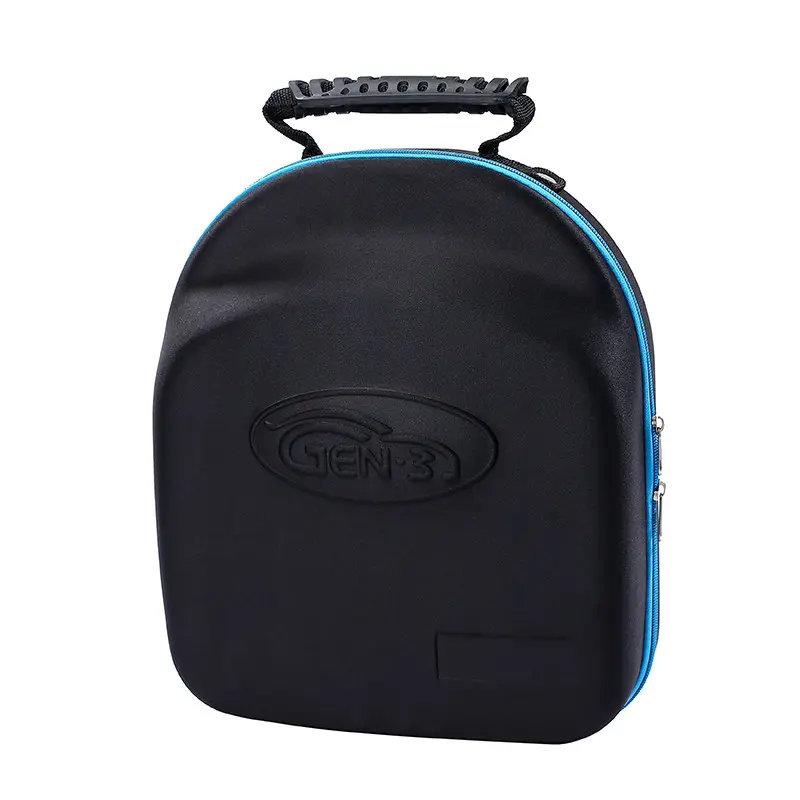
EVA (ethylene‑vinyl acetate) is a lightweight, flexible, closed‑cell foam composite used to form molded hard‑shell cases. It balances rigidity and shock absorption, with reinforced zippers, tailored foam inserts, and durable outer fabrics. EVA cases are widely used for portable tools, electronics, small devices, and field kits where weight and cushioning matter most.
Aluminum Case
Aluminum cases use rigid aluminum alloy frames and panels, often reinforced with metal corners and locks. They deliver heavy‑duty structural protection for high‑value, heavy, or sensitive gear in demanding industrial, commercial, or travel environments.
Full Comparison Table: EVA vs Aluminum Cases
| Feature | EVA Tool Case | Aluminum Case |
|---|---|---|
| Weight | Ultra‑light; 30–50% lighter than aluminum | Heavier; sturdy but bulkier to carry |
| Protection Level | Great shock absorption, cushioning, anti‑scratch | Extreme impact resistance, rigid structural support |
| Water/Dust Resistance | Good to IP67 with sealed design | Good with gaskets; metal seams may need care |
| Durability | Flexible, dent‑resistant, long‑lasting | Scratch‑resistant, anti‑deformation, heavy‑duty |
| Custom Interior | Easy precision foam molding; fully customizable | Limited foam customization; rigid layout |
| Portability | Easy daily carry, transport, and stacking | Stable but less ergonomic for frequent travel |
| Surface Finish | Fabric, PU, carbon pattern, matte, glossy | Metal brushed, anodized, polished |
| Cost | Lower upfront cost; economical for bulk | Higher investment; premium positioning |
| MOQ & Lead Time | Low MOQ, fast production | Higher MOQ, longer tooling & production |
| Environmental Suitability | Wide temp range; chemical‑resistant | Corrosion‑resistant with proper coating |
Key Performance Factors
Weight & Portability
EVA cases excel at lightweight protection. Their composite structure cuts weight without losing toughness, making them ideal for field work, daily commutes, and air travel. Aluminum cases offer maximum rigidity but add noticeable weight, which can become a drawback for frequent carrying or shipping large volumes.
Protection Performance
- EVA: Closed‑cell foam absorbs shocks and vibrations during drops or transit. It protects tools from scratches, dents, and impact damage better than many hard plastics.
- Aluminum: Metal construction withstands heavy loads, squeezing, and rough handling. It protects heavy equipment and maintains shape under pressure.
Water, Dust & Chemical Resistance
EVA’s closed‑cell structure repels water and moisture; high‑end models reach IP67 sealing. Aluminum offers good protection with gaskets, but seams and locks need extra care in wet or corrosive settings. EVA naturally resists oils, mild acids, and common chemicals.
Durability & Lifespan
EVA cases resist dents and maintain performance over years of use. Aluminum cases offer exceptional scratch and deformation resistance, suiting long‑term industrial or high‑traffic use.
Ideal Use Cases
When to Choose EVA Tool Cases
- Portable hand tools, small power tools
- Electronic devices, testers, meters, cables
- First aid kits, beauty kits, maintenance kits
- Outdoor, camping, or field service kits
- Projects needing fast customization and low MOQ
- Budget‑friendly bulk orders with branding
When to Choose Aluminum Cases
- Heavy industrial tools, precision instruments
- High‑value equipment requiring premium presentation
- Harsh worksites with heavy impact risk
- Long‑term storage or frequent shipping
- Professional display, demo, or high‑end applications
Customization & Branding
EVA Case Customization
- Embossed, debossed, or printed logos
- Custom colors, fabrics (PU, Oxford, carbon pattern)
- Precision CNC‑molded EVA foam interiors
- Flexible sizing for tight product fits
- Fast prototyping and short lead times
Aluminum Case Customization
- Engraved or printed metal surfaces
- Custom panel colors and finishes
- Standard configurations; limited interior flexibility
- Longer tooling and production cycles
Cost & Lead Time Overview
- EVA cases: Lower material cost, low MOQ, fast production. Ideal for small to mid‑size batches and quick launches.
- Aluminum cases: Higher material and labor cost, higher MOQ, longer lead times. Suits large‑batch, long‑lifespan investments.
Final Buying Recommendations
Choose EVA tool cases if you want:
- Lightweight, shock‑absorbent protection
- Fast, flexible interior customization
- Lower cost and shorter lead times
- Comfortable daily carrying and shipping
Choose aluminum cases if you need:
- Maximum structural rigidity
- Premium professional appearance
- Extreme durability for heavy use
- Long‑term heavy equipment protection
Conclusion
Both EVA and aluminum cases deliver strong protection for tools and equipment. Your choice depends on weight needs, protection level, customization, budget, and industry use. EVA cases offer versatile, cost‑effective, lightweight performance for most daily and industrial applications. Aluminum cases provide premium, heavy‑duty protection for high‑value or heavy gear.
Understanding these differences helps you select the right case to protect your tools, improve efficiency, and fit your long‑term procurement goals.
Post time: May-20-2026