




EVA Tool Case vs Plastic Case: Which Is Better
Table of Contents
- Understanding Tool Case Materials: EVA & Plastic Basics
- Core Performance Comparison: EVA Tool Case vs Plastic Case
- Protection Level: Shockproof & Drop Resistance
- Durability & Service Life
- Weight & Portability
- Customization & Branding Options
- Environmental Compliance & Global Market Fit
- Cost Efficiency for Wholesale Buyers
- Ideal Use Cases for EVA & Plastic Cases
- Conclusion: Which One Should You Choose?
Understanding Tool Case Materials: EVA & Plastic Basics
For global wholesale buyers, tool cases are more than just storage—they protect valuable tools, instruments, electronics and equipment during transport, storage and daily use. Two of the most widely used options are EVA tool cases and traditional hard plastic cases.
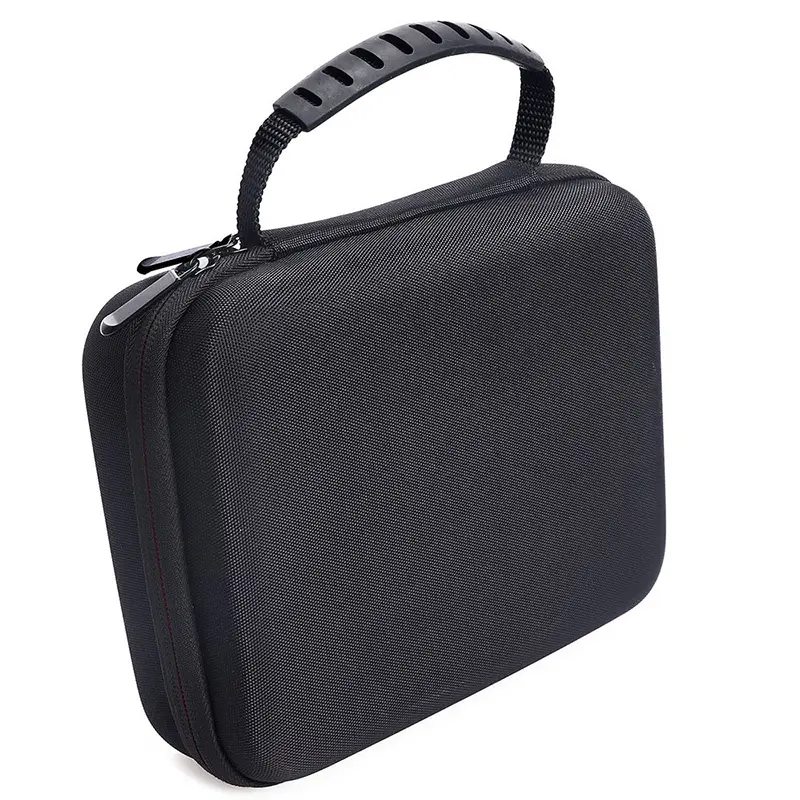
- EVA (Ethylene-Vinyl Acetate): A lightweight, flexible, foam-core composite material with a hard outer shell and molded inner lining. It offers shock absorption, water resistance and customizable fitting.
- Hard Plastic: Typically ABS, PP or other rigid polymers. Solid, low-cost and widely available, with fixed shapes and limited cushioning.
This guide compares them objectively to help you select the right solution for your market, clients and inventory.
Core Performance Comparison: EVA Tool Case vs Plastic Case
| Item | EVA Tool Case | Hard Plastic Case |
|---|---|---|
| Material Structure | Molded composite, foam interior + hard outer shell | Solid rigid plastic, single-layer structure |
| Shock Protection | Excellent (absorbs impact) | Limited (transmits impact to contents) |
| Weight | Lightweight | Heavier |
| Water/Dust Resistance | Good (sealed zippers & closed-cell foam) | Moderate (depends on sealing design) |
| Customization | High (molded inserts, logos, colors) | Low (fixed molds, limited changes) |
| Durability | High (flexible, crack-resistant) | Medium (prone to cracking under impact) |
| Environmental Compliance | Non-toxic, recyclable, meets export standards | Varies by grade; some contain additives |
| Unit Cost | Mid-range | Lower entry cost |
| Ideal For | Precision tools, electronics, medical devices, premium kits | Basic hand tools, general storage, low-cost sets |
Protection Level: Shockproof & Drop Resistance
EVA cases are designed for impact absorption. The closed-cell foam structure cushions drops, vibration and compression—critical for precision tools, meters, electronics and fragile parts.
Plastic cases are rigid but brittle. A moderate drop can crack the shell, and contents receive little buffer. They work for basic tools but not sensitive equipment.
For wholesale buyers serving industrial, electronics or outdoor markets, EVA delivers far better protection.
Durability & Service Life
EVA cases offer strong flexibility and crack resistance. They withstand repeated opening/closing, stacking and rough handling without breaking. The material resists UV, moisture and chemical exposure for long-term use.
Plastic cases can become brittle over time, especially with temperature changes. They may fade, warp or split under heavy stress.
EVA cases reduce replacement rates and improve customer satisfaction—key for repeat wholesale orders.
Weight & Portability
EVA is significantly lighter than rigid plastic. Lighter cases lower shipping costs, improve user experience and meet airline or field carry requirements.
For distributors targeting mobile technicians, travelers or outdoor users, weight directly drives purchasing decisions.
Customization & Branding Options
EVA cases support:
- Custom molded foam inserts for exact tool fitting
- Embossed, printed or laser logos
- Custom colors, textures and surface finishes
- Flexible sizing and compartment design
Plastic cases rely on fixed molds. Changes require high-volume tooling, limiting branding and adaptability.
For private label and OEM wholesale, EVA supports stronger brand identity.
Environmental Compliance & Global Market Fit
EVA is non-toxic, odorless and free from heavy metals and restricted chemicals. It meets EU, US and international safety standards (RoHS, REACH, ASTM).
Many basic plastic cases may contain additives that restrict sales in regulated markets.
EVA is safer for global export and appeals to eco-conscious buyers and retailers.
Cost Efficiency for Wholesale Buyers
Plastic cases have a lower upfront unit cost.
EVA cases provide better total value:
- Higher perceived quality and retail pricing
- Lower damage/return rates
- Stronger customer loyalty
- Better compatibility with high-value tool sets
For mid-to-premium tool kits, EVA improves profit margins.
Ideal Use Cases for EVA & Plastic Cases
Choose EVA Tool Cases When:
- Packaging precision tools, electronic meters, testers
- Protecting medical devices, small appliances, accessories
- Building premium, branded tool kits
- Targeting industrial, professional or outdoor markets
- Needing custom shapes and foam inserts
Choose Plastic Cases When:
- Supplying low-cost basic hand tool sets
- Prioritizing lowest unit price over protection
- Packaging non-fragile items
- Serving markets with tight budget limits
Conclusion: Which One Should You Choose?
For most international wholesale buyers, EVA tool cases are the better long-term choice for quality, protection, customization and global market fit. They support higher margins, stronger branding and better customer retention.
Plastic cases remain practical for basic, low-cost tool storage where protection and branding are not priorities.
If you supply professional tools, electronics, industrial instruments or premium kits, EVA tool cases will better support your business growth.
Post time: Apr-17-2026