




EVA Tool Cases for Automotive Tools: Durable Solutions for Mechanics
Automotive technicians and mobile mechanics rely heavily on well‑protected, well‑organized tool storage. Whether you are servicing vehicles inside a busy repair shop, completing roadside field repairs, or transporting specialty diagnostic gear between job sites, your tool container directly impacts workflow efficiency, tool service life, and overall job safety. While metal toolboxes and soft fabric tool bags have long dominated garages across the industry, high‑performance EVA tool cases have rapidly grown in popularity as a practical middle‑ground solution built specifically for the real‑world hardships of automotive work.
In this article, we break down exactly what makes EVA cases suited for automotive tool storage, compare them against more traditional storage formats, outline key buying criteria for buyers and end‑user mechanics, review common real‑world automotive use‑cases, and answer frequently asked questions for anyone evaluating EVA storage for their tool inventory.
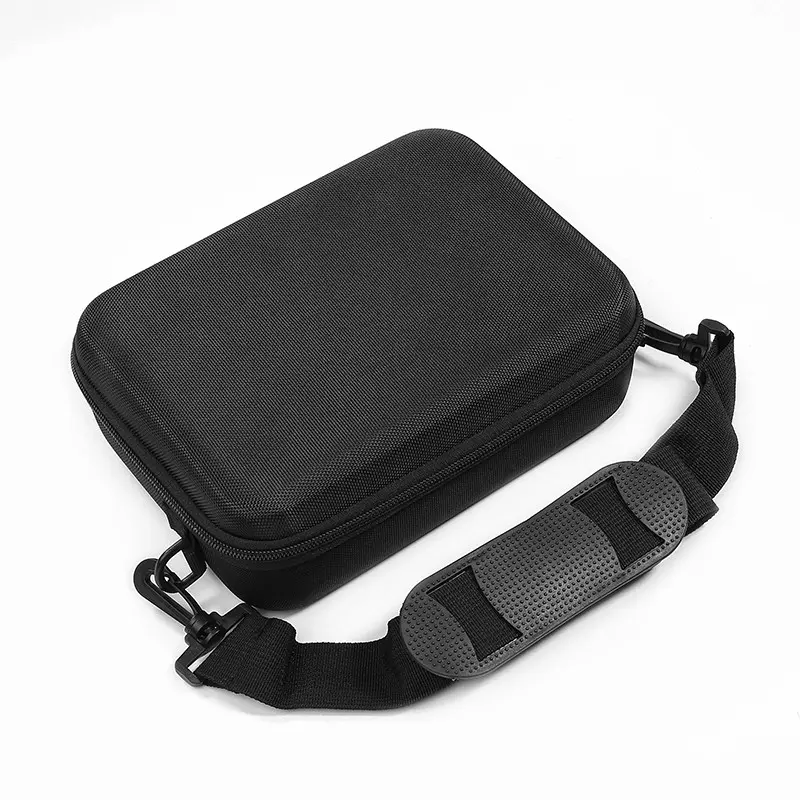
What Is an EVA Tool Case, and How Does It Perform in Automotive Work?
EVA, short for Ethylene‑Vinyl Acetate, is a closed‑cell foam composite material widely used for protective hard‑shell carrying cases. Unlike fully rigid metal boxes or floppy fabric tool rolls, molded EVA cases deliver semi‑rigid outer shell strength paired with shock‑absorbent foam interior inserts. Most professional‑grade automotive‑focused EVA cases wrap the EVA core in heavy‑duty woven outer textiles such as 1680D or 600D Oxford fabric to boost scratch, oil, and abrasion resistance in garage environments.
For mechanics, the core advantage lies in its balanced set of properties:
- Shock and vibration absorption: Vehicles in transit create constant jostling. Molded EVA shells and custom cut‑foam inserts soak up bumps and prevent metal hand‑tools from knocking together, dulling precision bits, scratching torque wrenches or damaging delicate automotive diagnostic equipment.
- Light‑weight hard‑shell structure: Far lighter than comparable metal aluminum or steel toolboxes. Mechanics carrying kits to service bays or roadside breakdowns experience less physical fatigue over long shifts.
- Shape retention: Unlike soft fabric bags that sag and collapse when partially empty, molded EVA cases hold their form. Tools stay seated inside their designated positions instead of tumbling into a disorganized heap at the bottom of the bag.
- Resistance against common garage hazards: Quality EVA composite construction stands up to splashes of motor oil, coolant, road grime, and light moisture. Good exterior coatings repel spills that would soak through uncoated fabric bags.
These material characteristics make EVA cases not a universal replacement for every tool storage solution, but an excellent fit for specialty tool sets, diagnostic instruments, and portable field service kits for automotive professionals.
EVA Tool Cases vs. Traditional Automotive Tool Storage
Every storage style carries distinct strengths and trade‑offs. Understanding where EVA cases sit relative to legacy options helps buyers match the case to actual job requirements.
| Storage Type | Strengths | Key Limitations | Best‑Fit Automotive Scenario |
|---|---|---|---|
| EVA Hard‑Shell Tool Case | Light weight, custom molded foam organization, shock‑absorbing, compact form factor, easy to carry | Not built for stacking extremely heavy loads; sharp metal edges can wear fabric outer layers over time | Portable diagnostic kits, specialty hand‑tool sets, roadside emergency kits, precision measuring instrumentsAlibaba.co… |
| Metal Steel / Aluminum Toolbox | Maximum rigidity, high stacking capacity, excellent heavy‑load durability | Heavy weight, high noise when tools rattle inside; metal can dent, corrode; no built‑in tool positioning | Permanent bay‑side workshop storage, bulk heavy‑duty socket collections, stationary garage use |
| Soft Fabric Tool Bag / Roll | Low cost, highly flexible, expandable volume | Tools shift freely during transport; offers minimal impact protection; fabric absorbs oil, grease and water | General‑purpose loose hand‑tools for short trips, low‑risk non‑precision gear |
For mobile mechanics and field technicians, the biggest pain‑point of metal boxes is excessive weight, while soft bags offer almost zero shock protection for expensive diagnostic meters and calibrated automotive tools. EVA tool cases fill that performance gap for portable, high‑value tool collections.
Key Features to Prioritize When Selecting EVA Cases for Automotive Tools
When sourcing or purchasing EVA cases for mechanic use, focus on these practical, job‑oriented features rather than surface‑level cosmetic attributes. These criteria apply equally for wholesale procurement and individual end‑user purchases.
1. Shell and Foam Interior Quality
The inner foam insert is arguably the most important component for automotive use.
- Pre‑custom molded cut‑out foam holds every wrench, tester, or accessory securely in its dedicated slot. Tools cannot slide and collide when the case sits inside a vehicle trunk or van during driving. Mechanics can instantly spot missing tools at a glance by observing empty foam cavities, cutting down on lost hardware on‑site.
- Foam density matters. Heavier metal hand‑tools require higher‑density compression‑resistant foam so that cut‑outs do not permanently deform after repeated use. Softer low‑density foam works better only for delicate electronic diagnostic equipment.
- Avoid generic empty‑pouch EVA cases for automotive work. Without shaped foam inserts, you lose most organizational and anti‑rattling benefits.
2. Exterior Material and Abrasion Resistance
Automotive working environments expose cases to constant rubbing against workbenches, vehicle trunk edges, metal workshop surfaces, oil splatters, and road dust.
- Look for heavy‑denier woven outer fabrics such as 1680D Oxford, rated for high abrasion cycles. These resist scuffs better than thin lightweight textiles.
- Water‑repellent PU composite coatings improve performance against liquid spills from coolant, brake fluid and rain encountered during roadside service jobs. Note that “water‑repellent” is not fully waterproof; cases should not sit submerged.
- Reinforced high‑stress zones: Reinforced stitching around handles, zipper tracks and case corners drastically extends service life under daily rough handling. Handles need sufficient load‑bearing capacity for fully‑loaded tool kits.
3. Zipper and Closure System
Zipper failure is one of the most common points of premature case breakdown in trade environments.
- Heavy‑duty metal or reinforced nylon coil zippers outperform thin plastic zippers for frequent daily opening and closing. Double‑track zippers add reliability.
- For very dusty garage and field conditions, consider zippers with dust flaps to keep fine metal shavings and debris from jamming zipper teeth.
4. Ergonomic Carrying Options
Mobile automotive professionals move cases frequently between vans, repair bays, and roadside vehicles.
- Integrated padded top handles for short carries.
- Removable, adjustable shoulder straps take weight off hands during longer walks across parking lots or job sites.
- Compact footprint: Cases need to fit neatly inside van storage shelves, vehicle trunks and mobile service carts without wasting valuable space.
5. Additional Practical Compartments
Most automotive kits mix large main‑tool items plus small loose accessories: fuses, terminals, instruction manuals, test leads, gloves, and small fasteners. Mesh inner pockets or secondary zippered compartments keep those small consumable items separated from main hand‑tools. Mesh pockets should use heavy‑duty netting; fine cheap mesh easily tears against sharp metal tool edges.
Common Real‑World Automotive Applications for EVA Tool Cases
EVA tool cases are not designed to hold your entire 200‑piece garage socket collection. They shine for focused, portable tool subsets used day‑to‑day by automotive professionals:
- Vehicle roadside emergency kits: Jump‑starter power packs, tire repair tools, small emergency diagnostic gear. The rigid shell protects electronics inside trunks where other cargo shifts around them.
- Specialty diagnostic tool kits: OBD scan tools, multimeter sets, sensor testers, wiring harness testing accessories. Custom‑molded foam protects expensive calibrated electronics from impact and vibration during van transport.
- Precision hand‑tool subsets: Torque wrench sets, specialty automotive bits, pin‑out tools, brake service specialty hand‑tools. Molded foam prevents marring of precision tool surfaces.
- Mobile field‑service technician kits: Mechanics that travel to customer locations need compact, easy‑to‑grab kits with frequently‑used tools without hauling a full heavy metal toolbox.
- Fleet‑ready service kits: For company vehicles assigned to multiple technicians, labeled EVA cases make inventory checks fast. Missing tools show up immediately in empty foam cut‑outs, reducing lost assets.
Important Limitations to Keep In Mind
EVA tool cases are excellent for many automotive workflows, but they are not a universal solution. Buyers should acknowledge these practical constraints:
- They are not optimized for extremely heavy bulk‑tool storage. Stacking very heavy equipment on top of an EVA case can deform the shell.
- Sharp‑edged metal tools can gradually abrade fabric outer layers if sharp corners constantly press against case walls.
- Extended continuous direct ultraviolet sunlight can slowly degrade EVA foam performance. Cases should be stored out of direct harsh sun when possible.
- They are not a substitute for heavy‑duty stationary workshop cabinet storage. Their primary value is portability and on‑vehicle transport.
Frequently Asked Questions
Are EVA tool cases oil‑proof for garage environments?
Quality coated outer fabrics resist light splashes of motor oil and other common automotive fluids. They are not fully oil‑proof. Heavy, prolonged soaking in oil will eventually penetrate the outer textile. Wiping spills off the case surface promptly extends usable life.
Can I get custom foam inserts for my existing automotive‑tool inventory?
Many suppliers offer custom molded foam inserts. You supply the actual tool set dimensions, and inserts are engineered to precisely fit your exact wrench, tester and accessory shapes. This is particularly valuable for specialty or non‑standard automotive tool assortments.
How long does a well‑used EVA tool case last in mechanic service?
Service life heavily depends on handling conditions. With reinforced seams, quality zippers and heavy‑duty outer fabric, regular daily workshop and field‑service use can deliver multiple years of service life. Poor‑quality low‑cost EVA cases with thin fabric and flimsy zippers will show wear much faster under garage conditions.
Can EVA cases survive being tossed inside a work van?
High‑density molded EVA shells are built to withstand normal jostling inside vehicle storage compartments. That said, they are not indestructible. Avoid throwing fully‑loaded cases from high heights, or crushing them under extremely heavy cargo.
Final Thoughts
For automotive mechanics, mobile field technicians, and procurement teams sourcing portable tool storage, EVA hard‑shell tool cases fill an important niche between bulky heavy metal toolboxes and minimally‑protective soft fabric bags. Their biggest strengths are lightweight portability, built‑in tool organization via custom foam inserts, and excellent shock and vibration absorption for transport inside service vehicles.
The best results come from matching case specifications to your real‑world job conditions: prioritize abrasion‑resistant outer material, reinforced hardware, durable zippers, and properly density‑rated foam inserts for the weight and type of your automotive tools. Recognize their practical limits, and deploy EVA cases for specialty kits, diagnostic gear, and portable subsets of your tool inventory, while relying on more heavy‑duty stationary storage for bulk workshop tool collections.
Post time: Sep-02-2026