




How to Choose EVA Case Size for Your Tools
Choosing the right‑size EVA case for your tools is more than just picking a box that fits. It directly impacts protection, portability, organization, durability, and long‑term usability. A case that’s too small risks damaging tools or straining zippers; one that’s too large wastes space, adds weight, and raises costs. This guide walks you through every key factor to select the ideal EVA case size for hand tools, power tools, accessories, and precision instruments.
Table of Contents
- Why Correct EVA Case Size Matters
- Key Measurements You Must Take
- How Foam Inserts Affect Internal Dimensions
- Case Size vs. Tool Type & Quantity
- Portability, Storage & Transportation Factors
- Common Size Mistakes to Avoid
- Quick Size Selection Checklist
- Final Tips for Long‑Term Use
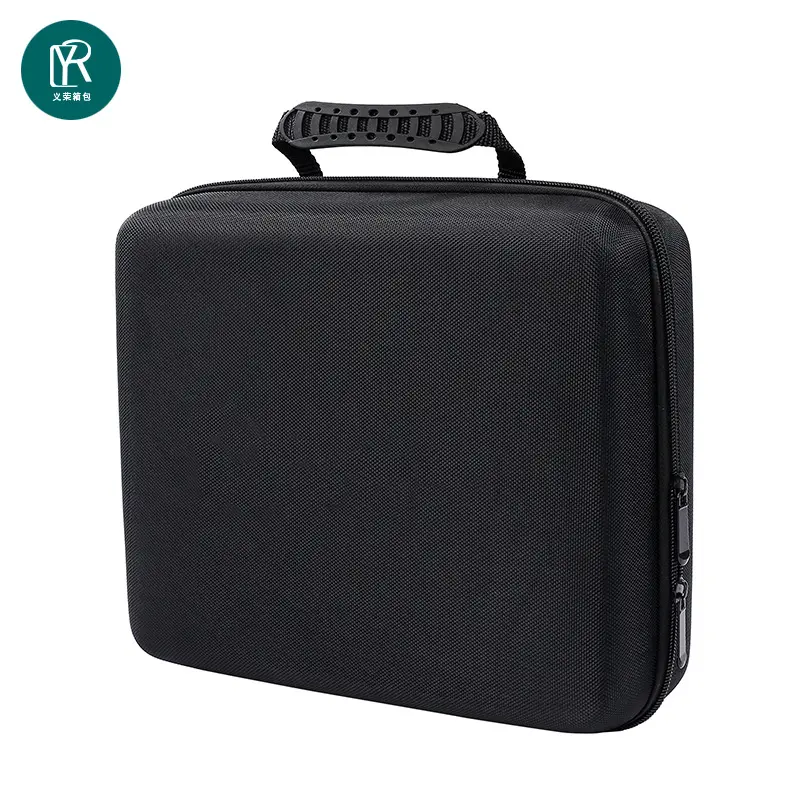
Why Correct EVA Case Size Matters
EVA cases are widely used for tool storage because they offer shock absorption, water resistance, dust protection, and structural rigidity. Size accuracy ensures:
- Full protection without crushing or moving parts
- Smooth zipping and long zipper life
- Efficient storage and easy carrying
- Lower cost by avoiding over‑sized cases
- Neat, professional organization for daily use
A well‑sized case keeps tools secure during transit, extends tool life, and improves workflow efficiency.
Key Measurements You Must Take
Before browsing case sizes, record these four dimensions for every tool and accessory:
- Length: longest horizontal span
- Width: widest point
- Height / Thickness: tallest vertical point
- Weight: for load rating and material choice
Add 10–20 mm buffer to each dimension for foam, small parts, and movement tolerance. This buffer prevents tools from pressing directly against the case shell.
For multiple tools, arrange them in your preferred layout and measure the total footprint.
How Foam Inserts Affect Internal Dimensions
Foam inserts are critical for protection and organization—but they consume internal space.
- Standard EVA foam thickness: 10–80 mm
- CNC molded or die‑cut foam holds tools securely
- Pre‑cut foam vs. customizable pluck foam impacts usable space
- Heavier tools need thicker, denser foam for support
Always use internal usable dimensions (shell size minus foam) when matching tools. Never rely only on external case size.
Case Size vs. Tool Type & Quantity
Different tools require different space logics. Below is a practical reference for buyers.
| Tool Type | Ideal Internal Clearance | Notes |
|---|---|---|
| Hand tools (screwdrivers, pliers, wrenches) | 10–15 mm buffer | Slim layout; prioritize length |
| Compact power tools (drills, drivers) | 15–25 mm buffer | Include batteries & chargers |
| Large power tools | 25–40 mm buffer | Allow for grips, vents, and accessories |
| Precision instruments & meters | 20–30 mm buffer | Extra foam protection |
| Mixed tool kits | 15–30 mm buffer | Modular foam layout |
| Cable, connector, small parts | 5–10 mm per compartment | Use segmented inserts |
Match your total tool dimensions to the case’s usable internal space.
Portability, Storage & Transportation Factors
Size decisions must also fit real‑world use:
- Carry style: handheld, shoulder strap, backpack‑style
- Storage space: van shelves, tool cabinets, desk drawers
- Transport mode: daily carry, shipping, field service
- Stackability: uniform sizes for pallet or rack storage
- Air travel / shipping: comply with dimension limits
A case that fits tools but fails in daily transport is not practical.
Common Size Mistakes to Avoid
- Measuring only external case size (ignores foam and internal loss)
- Forgetting batteries, chargers, cables, or small accessories
- Skimping on buffer space (causes zipper stress and tool rubbing)
- Choosing an oversized case “just in case” (adds weight and cost)
- Ignoring weight limits (heavy tools need reinforced shells)
These errors lead to damaged tools, uncomfortable carrying, and wasted budget.
Quick Size Selection Checklist
Use this checklist before you order:
- Measured all tools in L×W×H
- Added 10–30 mm buffer for foam and clearance
- Confirmed usable internal dimensions (not just external)
- Accounted for chargers, batteries, cables, and small parts
- Checked weight capacity and material density
- Verified portability, storage, and transport needs
- Tested layout with foam sketch or digital template
- Confirmed closure works without force
Final Tips for Long‑Term Use
- Choose slightly modular sizes if you expect to add tools later
- Prefer cases with customizable foam for future flexibility
- Match density to tool weight: heavier tools need higher‑density EVA
- Confirm waterproof, shockproof, and durability ratings for your environment
- For bulk orders, request samples to test fit before full production
Conclusion
Selecting the right EVA case size for your tools is a balance of accurate measurement, foam layout, protection needs, and real‑world use. Taking the time to measure properly and account for internal space will result in a durable, functional case that protects your tools, simplifies work, and delivers strong value.
Whether you source for industrial teams, field services, equipment operators, or professional tool kits, correct sizing ensures safety, efficiency, and satisfaction
Post time: May-11-2026