




How to Evaluate EVA Case Quality Before Bulk Purchase
Table of Contents
- Why EVA Case Quality Matters for Bulk Buyers
- Core Material Quality: The Foundation of a Good EVA Case
- Structural & Molded Construction Check
- Zipper, Hardware & Accessory Durability
- Internal Foam Insert Quality & Fit
- Workmanship, Surface Finish & Appearance
- Protective Performance: Shockproof, Waterproof & Pressure Resistance
- Certifications, Testing & Compliance
- Sample Testing Protocol Before Bulk Order
- How to Work with Suppliers for Consistent Quality
- Final Checklist for Bulk Purchase Approval
Why EVA Case Quality Matters for Bulk Buyers
- Higher damage rates during shipping and daily use
- Negative reviews and lost customer trust
- Increased after-sales service and replacement costs
- Delays in your own supply chain
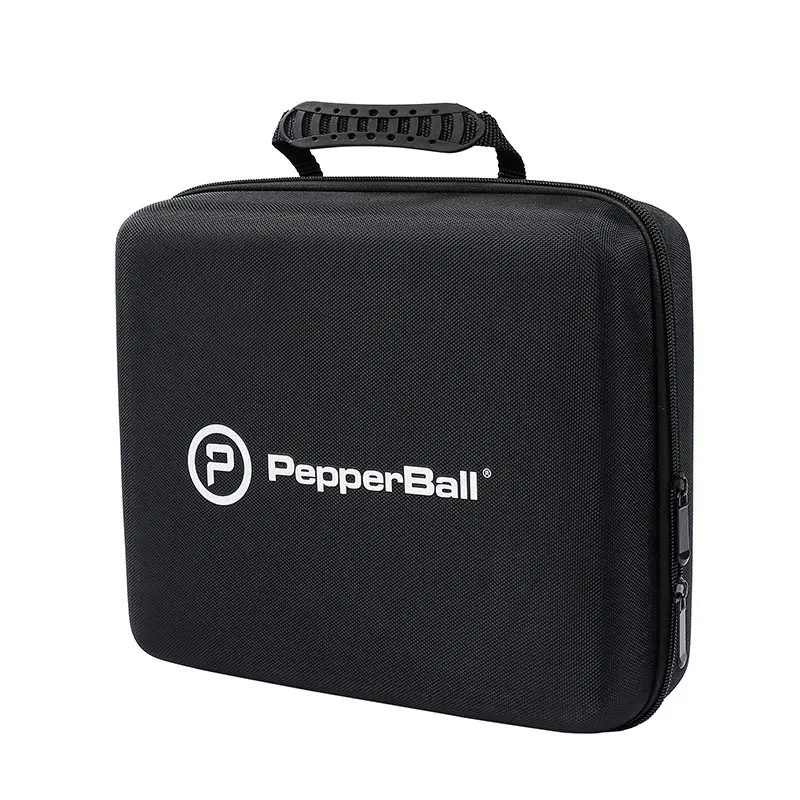
Core Material Quality: The Foundation of a Good EVA Case
What to Check
- Material Density & Hardness
High-quality EVA used for protective cases usually has a density between 38°–60° Shore C. Cases that feel too soft collapse under pressure; those that are overly rigid crack easily.
- Surface & Touch
Premium EVA has a smooth, even texture with no powdery residue, pinholes, or loose particles.
- Elasticity & Resilience
Press and bend the sample: it should quickly return to shape without creases or permanent deformation.
- Odor Level
Safe, high‑grade EVA has only a mild, neutral smell. Strong chemical odors often indicate low‑grade recycled material or poor production control.
Structural & Molded Construction Check
Key Inspection Points
- Molding Uniformity
No warping, uneven thickness, bubbles, or depressions on the shell.
- Edge & Corner Finishing
Rounded, smooth edges without burrs, sharp points, or rough trimming.
- Seam & Bonding
Adhesive and welded seams must be tight, flat, and not easy to peel apart.
- Shape Consistency
Compare multiple samples: dimensions, curves, and symmetry should be identical.
What to Evaluate
- Zipper Quality
Smooth sliding without jamming; teeth should be uniform, firm, and not easily deformed.
- Pulls & Toggles
Sturdy, tear-resistant, and securely attached.
- Handles & Straps
Reinforced stitching at stress points; strong enough for repeated lifting.
- Buckles & Clips
Rust-resistant, stable locking, and durable under tension.
Internal Foam Insert Quality & Fit
Check These Details
- Foam Type & Density
Choose between EVA, PE, or sponge based on your product’s weight and fragility.
- Precision of Cutting
Clean, precise die-cutting with no rough edges or loose fibers.
- Fit & Tolerance
Your product should sit snugly without being too tight or too loose.
- Layer & Structure Design
Multi-layer, compartmental, and customizable inserts improve protection and organization.
Workmanship, Surface Finish & Appearance
Visual & Tactile Checks
- Surface Evenness
No scratches, stains, color differences, or flow marks.
- Printing & Embossing
Logos and text are clear, sharp, and durable—not easy to scratch off.
- Stitching & Sewing
Uniform, tight stitches with no loose threads or skipped needles.
- Overall Cleanliness
No glue stains, dust, or excess debris inside or outside.
Protective Performance: Shockproof, Waterproof & Pressure Resistance
Simple Functional Tests
- Shock Resistance
Light drop testing (within safe limits) to check if contents stay protected.
- Pressure Resistance
Apply moderate weight: the case should not deform or crack.
- Water & Moisture Resistance
High-quality molded EVA repels water; poor cases absorb moisture and soften.
- Wear & Scratch Resistance
Rub the surface gently: quality materials resist scuffs and keep their look longer.
Certifications, Testing & Compliance
Common Standards to Look For
- CE
- RoHS
- REACH
- ASTM (for US market)
- Physical test reports: tensile strength, tear resistance, compression set
Sample Testing Protocol Before Bulk Order
- Request 3–5 pre-production samples of the exact model.
- Check material, structure, workmanship, and accessories.
- Do real‑world fitting with your actual product.
- Perform basic drop, pressure, and wear tests.
- Verify logo, color, and labeling accuracy.
- Confirm lead time, MOQ, packaging, and shipping terms.
How to Work with Suppliers for Consistent Quality
- Clearly communicate your material grade, thickness, hardness, and color.
- Confirm tolerance ranges for dimensions and workmanship.
- Ask for an approved sample sealed and kept by both sides.
- Include quality clauses in your purchase contract.
- Request in-line inspection and pre-shipment inspection options.
Final Checklist for Bulk Purchase Approval
- EVA material density and hardness meet your requirement
- Shell molding is even, stable, and undistorted
- Zippers and hardware run smoothly and are strongly attached
- Inner foam fits precisely and protects well
- Workmanship is clean with no burrs, loose threads, or glue marks
- Case passes basic shock, pressure, and wear tests
- Supplier provides valid certifications and test reports
- Pre-production samples are signed and approved
Conclusion
Post time: Apr-27-2026