




How to Work with EVA Case OEM Factories
Introduction
Partnering with an EVA case OEM factory is one of the most effective ways for brands, retailers and business buyers to launch custom protective storage solutions. EVA cases are widely used for electronics, tool sets, first aid kits, outdoor gear, personal care devices and drone accessories, thanks to their shockproof, waterproof, lightweight and durable features.
Working smoothly with an EVA case OEM partner can cut development costs, ensure consistent product quality, and speed up time-to-market. However, many buyers struggle with unclear communication, mismatched customization expectations, delayed production or inconsistent quality when collaborating with OEM manufacturers. This guide walks you through a complete, buyer-friendly workflow to build long-term, stable cooperation with EVA case OEM factories, avoid common pitfalls, and get tailored products that match your brand needs perfectly.
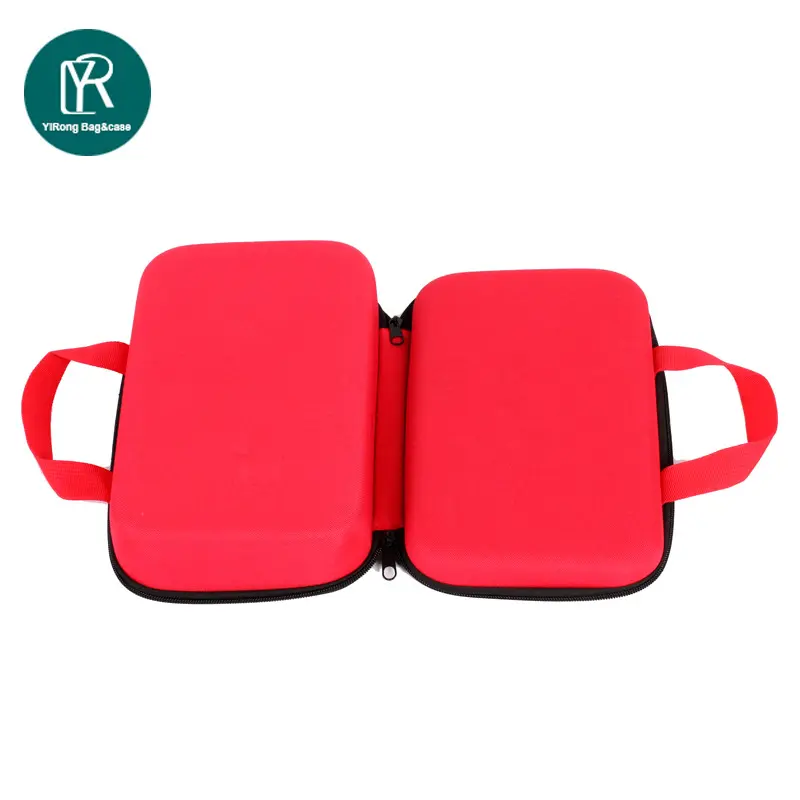
What EVA Case OEM Factories Can Offer
Before starting cooperation, it’s essential to understand the full scope of services professional EVA case OEM factories provide. This helps you make full use of their capabilities and simplify your procurement process.
First, full customization support covering size, shape, exterior materials, interior foam inserts, color matching and personalized logo embossing or printing. Experienced OEM manufacturers can create one-of-a-kind case designs based on your product dimensions and usage scenarios.
Second, one-stop service from design consultation, 3D structure drafting, sample making, mass production, in-process quality inspection to final shipping. You don’t need to coordinate multiple suppliers, which saves time and communication costs.
Third, flexible order arrangements. Most mature EVA OEM factories support low minimum order quantities for small-batch trial orders, as well as scalable production for large bulk orders to match your business growth pace.
Fourth, standardized material compliance. Qualified manufacturers adopt materials that meet international certification standards, ensuring products can smoothly enter global markets without compliance risks.
Step 1: Clarify Your Exact Requirements Upfront
Clear demand definition is the foundation of seamless OEM cooperation. Vague descriptions often lead to repeated sample revisions, extra costs and delayed schedules. You should sort out detailed requirements before contacting any EVA case factory.
Start with basic product specs: define the exact internal and external dimensions of the case, application scenarios (outdoor, daily storage, travel, industrial tool storage), and core functional needs like waterproofing, pressure resistance or portability.
Then confirm material preferences: choose outer shell fabrics such as carbon fiber texture PU, Oxford cloth or matte hard shell; select inner accessories including die-cut foam, molded EVA lining, mesh pockets, zippers and carrying handles. You can also specify material hardness and texture to fit your product protection needs.
Next, clarify branding and packaging needs: provide logo design files, confirm logo craft (embossing, silk printing or heat transfer), and put forward requirements for outer carton packaging, labeling and shipping marks.
Finally, lock in commercial terms: confirm target unit price range, expected order quantity, trial order plan, required production lead time and shipping destination. Providing all these details enables the OEM factory to deliver an accurate quote and feasible solution quickly.
Step 2: Screen and Evaluate Qualified EVA Case OEM Partners
Not all EVA case manufacturers have the same customization ability, quality control standard and service level. Systematic screening helps you pick a reliable long-term partner.
Focus on professional expertise first. Prioritize factories with years of experience in EVA case manufacturing, especially those familiar with your industry (electronics, medical first aid, outdoor equipment or tools). They can offer professional design suggestions and avoid structural flaws in customized cases.
Verify production and R&D capabilities. Reliable OEM factories have in-house mold development, cutting and molding equipment, instead of outsourcing core processes. Strong in-house prototyping ability means faster sample delivery and higher design accuracy.
Check quality and compliance certifications. Ask the factory to provide relevant material test reports and standard compliance documents. Certified manufacturers follow strict production and quality inspection standards to keep batch products consistent.
Evaluate communication and service efficiency. A qualified OEM partner maintains timely response, offers proactive design optimization suggestions, and arranges regular progress updates during mass production. Smooth communication greatly reduces cooperation friction.
Step 3: Follow the Standard Customization & Sampling Process
Sampling is the key stage to confirm design, craftsmanship and quality before mass production. Professional EVA case OEM factories follow a fixed workflow that buyers can fully follow.
First, solution and design drafting. After receiving your requirements, the factory’s design team creates layout sketches, internal structure plans and 3D mockups for your review. You can adjust details like interior compartment layout and zipper position at this stage.
Second, prototype sample production. Once the design draft is confirmed, the factory makes a physical pre-production sample. You need to check the overall size, material texture, logo effect, foam insert fit and zipper fluency carefully.
Third, sample revision and final confirmation. If any details fail to meet expectations, put forward clear modification opinions. The factory will adjust and remake the sample until all details are fully approved. The confirmed sample will be the unified standard for subsequent mass production.
Step 4: Confirm Order Terms and Formalize Cooperation
After sample approval, formalize cooperation by clarifying all order terms to avoid disputes in mass production and delivery.
Confirm production lead time clearly. Clarify the production cycle starting from sample confirmation, and divide the timeline into production arrangement, mid-term inspection and finished goods packaging nodes. For urgent orders, negotiate adjustable production schedules in advance.
Lock in pricing and payment terms. Confirm the unit price based on order quantity, customization complexity and material grade. Clarify payment proportion, deposit arrangement and balance payment time to ensure mutual benefit for both sides.
Sign detailed cooperation agreements. Put key clauses on paper: product specifications, sample standard, quality inspection criteria, delivery time, after-sales handling for defective products and intellectual property protection of your exclusive design. This protects your brand design and product rights effectively.
Step 5: Monitor Production and Quality Control
Even after order confirmation, proper production monitoring ensures the final goods match the approved sample completely.
Stay updated on production progress regularly. The OEM factory should share production progress photos or videos at key stages like raw material cutting, molding and assembly, letting you track the order status anytime.
Follow mid-term quality inspection. Professional factories conduct multi-round inspections during production, checking size accuracy, stitching tightness, logo clarity and foam fitting. Unqualified products will be reworked immediately to avoid defective goods entering packaging.
Conduct pre-shipment sampling inspection. Before delivery, randomly check finished products to verify appearance, function and packaging consistency with the sample. Only pass inspection can the goods be arranged for shipment.
Step 6: Arrange Shipping, After-sales and Long-term Cooperation Optimization
The end of delivery is not the end of cooperation. Good after-sales service and continuous optimization help build long-term partnership with EVA case OEM factories.
Confirm shipping and delivery arrangement. Work with the factory to confirm shipping method, container loading and document preparation, ensuring smooth customs clearance and on-time arrival at your warehouse.
Handle after-sales issues properly. For occasional individual defective products, confirm the factory’s after-sales policy on replacement or compensation. Reliable OEM partners take responsibility for quality problems and provide timely solutions.
Optimize cooperation for repeat orders. After receiving the goods, feedback practical use experience to the factory, such as slight adjustments to internal structure or material upgrade. The factory can optimize the design for repeat orders to upgrade product competitiveness continuously.
Common Mistakes to Avoid When Working with EVA Case OEM Factories
Many buyers encounter unnecessary losses due to improper cooperation methods. Avoid these common mistakes to streamline the whole procurement process.
Avoid vague requirement descriptions. Simple oral descriptions easily lead to design deviation. Always provide detailed written specs, size data and reference images.
Don’t ignore sample confirmation. Skipping careful sample check and rushing into mass production often results in large batches of products that cannot meet market demands.
Don’t only focus on low price. Excessively low quotes usually mean downgraded materials and simplified craftsmanship, which damages your brand image with poor-quality finished cases.
Avoid frequent design changes during mass production. Temporary structure or logo changes will disrupt the production schedule, increase costs and cause delivery delays.
Final Thoughts
Working with EVA case OEM factories becomes simple and efficient once you master the standardized workflow and cooperation rules. From clarifying detailed requirements, screening reliable manufacturers, confirming samples and order terms, to monitoring production and optimizing long-term cooperation, every step determines the quality of customized EVA cases and the stability of your supply chain.
A good EVA case OEM factory is not only a manufacturer, but also a professional partner that provides design guidance, customization solutions and stable quality support. By following this practical guide, you can avoid cooperation risks, cut procurement costs, and launch high-quality custom EVA case products that fit your brand positioning perfectly.
Post time: Jun-03-2026