




Drop-Test and Transit Protection Standards: Specifying EVA Cases That Survive International Shipping
When a tool brand or electronics importer sources protective cases from a Chinese manufacturer, the case that looks perfect on a showroom table can still arrive at the destination warehouse crushed, scuffed, or with a cracked zipper. The gap between a good-looking sample and a case that survives a 30-day ocean-plus-truck journey is where most B2B sourcing failures happen. For buyers responsible for private-label tool cases, drone carrying cases, camera cases, and promotional kits, transit protection is not a finishing touch. It is a core specification that should be defined before tooling begins, not discovered after a container of rejects lands at the port.
This guide walks overseas buyers through the drop-test methods, material choices, and construction details that determine whether an EVA case protects its contents through real-world international logistics. It is written for purchasing managers, product developers, and brand owners who need to brief a factory with clear, testable requirements rather than vague hopes that “the case should be strong enough.”
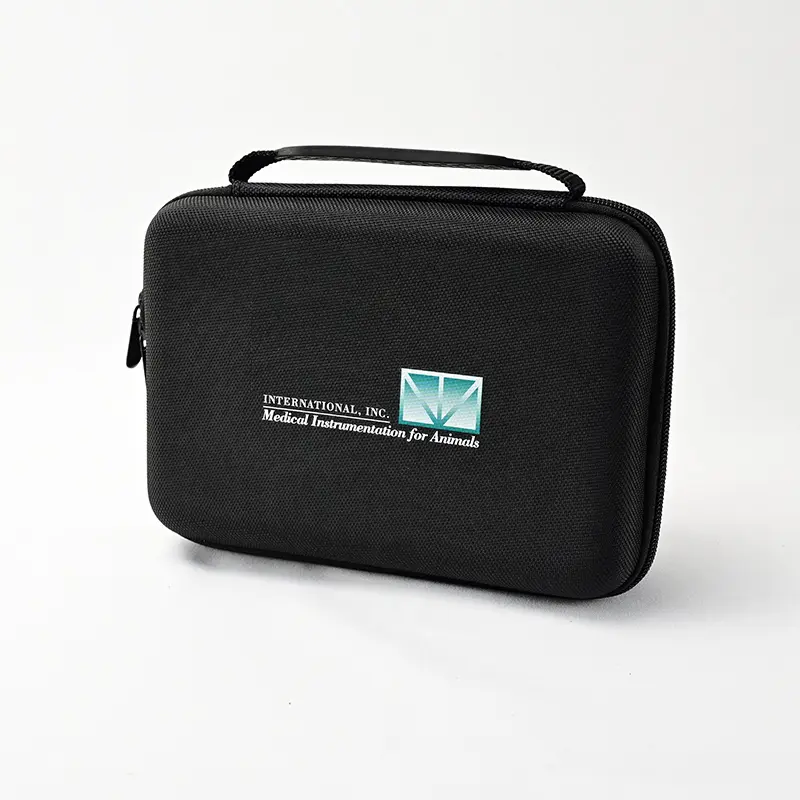
Why Transit Damage Happens Long Before the End User Opens the Case
International shipping exposes a case to forces that a static display never sees. A palletized shipment is stacked two or three high in a container, dropped during forklift transfer, vibrated for weeks on a vessel, and then handled roughly at a distribution center. The contents most at risk are not the case shell itself but the items inside: calibrated torque tools, laser levels, camera lenses, medical devices, and drone gimbals. A small deformation of the case wall or a loose insert is enough to shift those items into contact with each other.
The most common transit failures we see in returned shipments are not dramatic. They are subtle: a zipper pull snapped off because the case was dropped on its edge, an insert that compressed and let a tool rattle, or a corner that dented because the density of the EVA was specified too low for the product weight. Each of these is preventable with the right impact resistance specification defined up front.
Defining the Drop-Test Protocol Before Production
A drop test is only useful if both the buyer and the factory agree on what it measures. Buyers should specify the drop height, the number of drops, the orientation of each drop, and the pass criteria. A test performed only once from one height tells you almost nothing. A credible protocol drops the loaded case multiple times, from multiple faces, and inspects both the shell and the contents.
Standard Drop Heights by Shipment Weight
As a practical starting point, many B2B buyers align their internal acceptance criteria with common logistics testing references. A case weighing under 10 kg is typically drop-tested from 60 to 80 cm, while heavier cases are tested from 40 to 50 cm because they are less likely to be lifted and dropped by hand. The key is consistency: the same loaded weight, the same orientations, repeated across samples.
- Drop 1: flat on base (the most common impact during stacking and forklift handling).
- Drop 2: flat on lid (compression plus edge load when palletized).
- Drop 3: one short edge (corner and zipper-pull stress).
- Drop 4: one long edge (sidewall flex and insert shift).
- Drop 5: one corner (the harshest point load on the molded shell).
- Drop 6: lid-open closed-drop with latches engaged (verifies closure retention).
After all drops, a pass means no shell rupture, no zipper separation, no broken hardware, and no movement of the internal product beyond a defined tolerance. Specifying the closed-drop latch retention step is especially important for cases with a hard frame and a zipper, because that is the failure mode most often missed in casual testing.
Material Density and Wall Construction
EVA cases are built from an expanded ethylene-vinyl acetate sheet laminated between fabric layers. The density of that sheet, measured in grams per cubic centimeter or in relative hardness, is the single biggest factor in impact resistance. A 45-degree to 60-degree EVA offers a good balance of cushioning and rigidity for most tool and electronics products. Going softer absorbs a drop but dents easily under stacking load; going harder resists dents but transmits shock to the contents.
Buyers should also specify the wall construction method. A molded EVA case with a continuous sewn seam distributes impact better than a case where the panels are butt-joined. The continuous sewn seam is not just an aesthetic detail; it determines how the shock of a corner drop travels through the structure instead of concentrating at a single joint.
Inner Wall and Frame Options
For fragile contents, a thin hard plastic frame welded inside the EVA adds a rigid spine that resists sidewall collapse during pallet compression. This is the difference between a case that springs back after a drop and one that stays dented. For lighter promotional kits, a frame may be unnecessary, but for torque tools or camera bodies it is worth the small added cost.
Inserts, Dividers, and Load Control
A case can pass a drop test empty and still fail loaded, because the insert is what actually holds the product in place. A die-cut foam insert that is too shallow lets the product bounce; an insert with pockets sized a millimeter too large lets tools migrate during transit. The insert specification should state pocket depth, compression fit, and whether the foam is open-cell (softer, cheaper) or closed-cell (firmer, more durable, better for repeated use).
Buyers working on a new product line should read the EVA Tool Case Custom Inserts Design reference before finalizing the insert layout, because the tooling for the insert and the tooling for the shell are separate cost lines and should be planned together. Good load control also means controlling the total case weight so that the loaded unit stays within the drop-test weight class the buyer specified.
Hardware Durability: Zippers, Pulls, and Latches
The zipper is the most load-bearing moving part on an EVA case, and it is where transit stress shows first. A resin zipper rated for luggage use survives far more cycles than a general-purpose craft zipper. Buyers should specify a name-brand or equivalent zipper with a documented cycle rating and request that the zipper be tested under load, meaning the case is dropped while fully closed and then opened to confirm the teeth still engage.
Zipper pulls and sliders are frequently the first items to break because they protrude and catch during handling. Recessed pulls or pull covers reduce this risk. Latches on cases with a hard frame should be specified with a clear open-force and close-force range so they stay shut in transit but remain operable by the end user without tools.
Vibration, Compression, and Climate Factors
Drop testing covers sudden impact, but most of a shipment’s time is spent under sustained vibration and compression. Long-haul ocean freight subjects cases to low-frequency vibration that works hardware loose over weeks. Specifying vibration-resistant hardware such as threaded inserts and locking nuts, rather than press-fit components, prevents the slow loosening that shows up only at the destination.
Climate is the other silent factor. Containers crossing equatorial routes see interior humidity spikes that can fog lenses and corrode bare metal tools. A case with a basic gasket and a desiccant slot adds a low-cost defense. For medical and optical equipment, specifying a moisture barrier layer in the lid fabric is a sensible precaution that costs little in volume production.
Palletization and Outer Carton Strategy
Even a well-built case fails if the outer carton is wrong. The master carton should be sized so cases do not shift inside it, and the carton itself should meet the stacking compression rating for the planned pallet height. Buyers often overlook that the carton, not the case, takes the pallet-stacking load for weeks. Corrugated grade, flute direction, and taping pattern all matter, and they should be part of the purchase specification rather than left to the factory’s default.
Building a Testable Quality Specification
The most effective way to brief a manufacturer is to turn the above into a one-page acceptance sheet. It should list drop height and orientations, zipper cycle rating, EVA density, insert fit tolerance, carton compression rating, and the sample size for verification. When a buyer sends this sheet with the request for quotation, the factory quotes against measurable requirements instead of guessing. This also makes the EVA Tool Case Sample Evaluation Guide far more useful, because the evaluation is then against a written standard rather than a feeling.
Buyers planning a large program should also review EVA Case Bulk Order Tips before committing to a full container, since transit protection requirements can change the packing configuration and therefore the units-per-carton and the landed cost.
Tip: Always require the factory to drop-test at least three randomly selected production samples loaded with your actual product, not foam blocks, because the real contents reveal insert and load problems that test weights hide.
FAQ
What drop height should I specify for a 5 kg tool case?
For a loaded case under 10 kg, a 60 to 80 cm drop height across all faces and corners is a reasonable B2B baseline that reflects typical handling during forklift transfer and warehouse stacking. Adjust upward only if your distribution channel involves manual handling by end users.
Does EVA density affect both drop protection and stacking?
Yes. Higher-density EVA resists denting under pallet compression but transmits more shock to contents, while lower-density EVA cushions drops but dents more easily. The right choice depends on whether your bigger risk is stacking load or impact, and many cases use a layered construction to get both.
How many samples should be drop-tested before a bulk order?
Test at least three randomly pulled production or pre-production samples with your real product inside. A single sample can pass by luck, but three reveals consistency issues in seams, zipper installation, and insert fit that matter across a full shipment.
Are zipper cycle ratings worth specifying for B2B orders?
Absolutely. A luggage-grade zipper with a documented cycle rating costs little more in volume but dramatically reduces in-transit failures. Specify the rating and request a closed-and-dropped zipper retention test so you know the case stays sealed after impact.
Should the outer carton be part of my transit specification?
It should be. The master carton carries the pallet-stacking load for weeks and its compression rating, flute direction, and fit around the cases determine whether your products arrive intact. Treat carton specs as part of the quality requirement, not a factory default.
Can EVA cases protect moisture-sensitive equipment overseas?
They can with the right additions. A lid gasket, a desiccant slot, and a moisture-barrier fabric layer provide meaningful protection against container humidity spikes. For medical and optical gear, specify these features explicitly because they are not included in a standard case.
Related Pages
- EVA Tool Case Purchase Order Guide
- EVA Tool Case Sample Evaluation Guide
- EVA Case Bulk Order Tips
- EVA Tool Case Custom Inserts Design
Dyyreva Case (Dongyang Yirong Luggage Co., Ltd.) manufactures EVA cases, tool cases, custom inserts, and travel and equipment cases for overseas tool, outdoor, electronics, and promotional brands. Contact the team at dyyrevacase.com to discuss drop-test protocols and transit protection specifications for your next private-label program.
Post time: Sep-14-2026